
Apr . 01, 2024 17:55 Back to list
lpg hose Performance Analysis
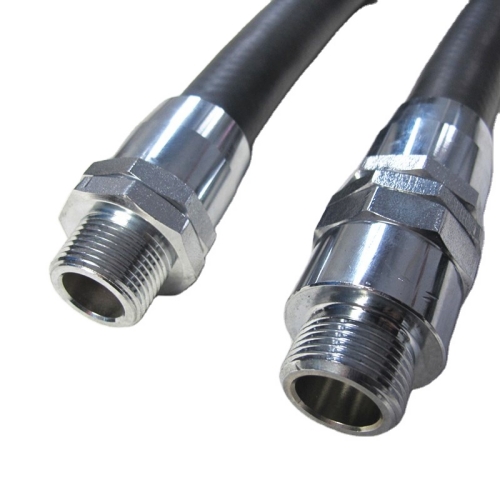
Introduction
Liquefied Petroleum Gas (LPG) hoses are critical components in the safe and efficient transfer of LPG, serving a wide range of applications including residential heating, cooking, industrial processes, and automotive fuel systems. These hoses are specialized flexible conduits designed to withstand the unique demands associated with LPG – namely, its volatility, flammability, and relatively high operating pressures. Unlike general-purpose rubber hoses, LPG hoses require specific material compositions and manufacturing processes to ensure compatibility with LPG’s chemical properties, maintain structural integrity under pressure, and prevent permeation of the gas. This technical guide provides a comprehensive overview of LPG hose technology, encompassing material science, manufacturing, performance characteristics, failure modes, and relevant industry standards. The core performance considerations center around pressure resistance, temperature stability, chemical compatibility, and the prevention of leaks which could lead to hazardous situations. Understanding these aspects is vital for procurement managers, engineers, and safety professionals involved in LPG systems.
Material Science & Manufacturing
LPG hose construction typically involves multiple layers, each serving a specific purpose. The inner tube, which directly contacts the LPG, is commonly made from a synthetic rubber compound exhibiting excellent resistance to LPG’s constituents (primarily propane and butane). Nitrile rubber (NBR) is frequently employed due to its robust chemical resistance and flexibility. However, specialized formulations incorporating fluorocarbon elastomers (FKM/Viton) are increasingly used in applications demanding superior resistance to high temperatures and aggressive LPG blends. The reinforcement layer is crucial for providing burst strength and pressure containment. High-tensile synthetic fibers, such as polyester or aramid (Kevlar), are braided or spiraled around the inner tube to provide this reinforcement. The number of layers and fiber density directly influence the hose’s working pressure and burst pressure ratings. The outer cover provides environmental protection and abrasion resistance. Common materials include Chloroprene rubber (CR/Neoprene), EPDM rubber, or PVC. CR offers good weathering resistance and oil resistance, while EPDM is particularly resistant to ozone and UV degradation. Manufacturing processes include extrusion for the inner tube and outer cover, followed by braiding or spiraling of the reinforcement layer. Vulcanization is a critical step, involving cross-linking the rubber polymers with sulfur or other curing agents to impart elasticity, strength, and durability. Parameter control during vulcanization – temperature, pressure, and curing time – significantly impact the final hose properties. Furthermore, quality control measures like pressure testing, leak testing, and dimensional inspection are essential to ensure each hose meets the required specifications. Specialized hoses may incorporate anti-static additives to prevent static electricity buildup, which could potentially ignite LPG vapors.
Performance & Engineering
The performance of an LPG hose is determined by several key engineering considerations. Burst pressure, working pressure, and tensile strength are paramount. Burst pressure defines the maximum pressure the hose can withstand before catastrophic failure, typically tested using hydrostatic pressure tests. Working pressure is significantly lower, representing the maximum pressure for safe and continuous operation. Tensile strength indicates the hose’s resistance to stretching and tearing. Flexibility is also critical, enabling easy installation and maneuverability, especially in confined spaces. This is often quantified by the bend radius. Environmental resistance is another crucial aspect. LPG hoses must maintain their integrity and performance across a wide temperature range, typically from -40°C to +60°C or higher for specialized applications. Resistance to ozone, UV radiation, oil, and chemicals is equally important. Permeation is a significant concern. LPG can diffuse through the hose material over time, leading to gas loss and potential safety hazards. Permeation rates are influenced by the rubber compound, hose thickness, and temperature. Engineering design also incorporates considerations for fitting compatibility. The hose ends must be securely attached to fittings using appropriate crimping or clamping techniques to prevent leaks. Force analysis is utilized to determine the stresses experienced by the hose during operation, ensuring that the reinforcement layer provides adequate support. Finally, regulatory compliance is paramount. LPG hoses must meet stringent safety standards set by national and international organizations (detailed in the standards section). These standards specify requirements for materials, construction, testing, and labeling.
Technical Specifications
| Parameter | Unit | Standard Grade Hose | Premium Grade Hose |
|---|---|---|---|
| Working Pressure | bar | 15 | 20 |
| Burst Pressure | bar | 60 | 80 |
| Tensile Strength | MPa | 10 | 15 |
| Temperature Range | °C | -20 to +60 | -40 to +80 |
| Permeation Rate (Butane) | g/m²/day | < 5 | < 2 |
| Inner Tube Material | - | NBR | FKM/Viton |
| Outer Cover Material | - | CR | EPDM |
Failure Mode & Maintenance
LPG hoses are susceptible to various failure modes, often resulting from degradation of materials or mechanical stress. One common failure is cracking due to ozone attack, particularly in hoses exposed to outdoor environments. This typically occurs in the outer cover. Another failure mode is permeation, leading to gas leakage over time. The rate of permeation increases with temperature and pressure. Fatigue cracking can occur due to repeated bending and flexing, especially near fittings. This weakens the reinforcement layer and can ultimately lead to rupture. Abrasion and physical damage can compromise the outer cover, exposing the reinforcement layer to corrosion and environmental attack. Internal degradation of the rubber compounds, caused by chemical incompatibility or aging, can reduce flexibility and increase the risk of cracking. Improper installation, such as over-tightening fittings or exceeding the bend radius, can also induce stress and accelerate failure. Maintenance involves regular visual inspections for cracks, abrasions, and leaks. Hoses should be replaced immediately if any damage is detected. It's critical to avoid kinking or twisting the hose during use. Connections should be checked for tightness regularly. Storage should be in a cool, dry place away from direct sunlight and ozone sources. Adhering to a scheduled replacement program, based on the hose’s service life and operating conditions, is crucial for preventing unexpected failures. A robust preventative maintenance program, including pressure testing and leak detection, can significantly enhance safety and reliability.
Industry FAQ
Q: What is the significance of the reinforcement layer material in LPG hoses?
A: The reinforcement layer is critical for providing burst strength and preventing hose rupture under pressure. Materials like polyester and aramid fibers offer high tensile strength and dimensional stability. Aramid fibers (Kevlar) provide superior strength-to-weight ratio and resistance to stretching, making them ideal for high-pressure applications or hoses subjected to significant mechanical stress.
Q: How does temperature affect the performance and lifespan of an LPG hose?
A: Temperature significantly impacts LPG hose performance. Higher temperatures increase permeation rates, potentially leading to gas leakage. Extreme temperatures (both high and low) can cause the rubber compounds to degrade, reducing flexibility and increasing the risk of cracking. Therefore, selecting a hose with a temperature range appropriate for the intended application is crucial.
Q: What is the role of the outer cover material in protecting the hose?
A: The outer cover protects the reinforcement layer from environmental factors like ozone, UV radiation, oil, and abrasion. Materials like CR (Chloroprene) and EPDM offer different levels of protection. EPDM is particularly resistant to ozone and UV degradation, while CR provides good oil resistance. The cover also provides a degree of chemical resistance and contributes to the hose’s overall durability.
Q: What are the implications of using a hose with an incorrect working pressure rating?
A: Using a hose with a working pressure rating lower than the system’s operating pressure poses a significant safety risk. The hose may rupture, leading to gas leakage, fire, or explosion. Conversely, using a hose with a significantly higher working pressure rating than necessary may not provide optimal flexibility and can increase cost unnecessarily.
Q: How can I verify the integrity of an LPG hose before use?
A: Before use, visually inspect the hose for any signs of damage, such as cracks, abrasions, or kinks. Perform a leak test by pressurizing the hose with air or nitrogen and applying a leak detection solution to the fittings. Ensure the hose is properly connected and secured to the fittings. Regularly scheduled pressure testing is recommended as part of a preventative maintenance program.
Conclusion
LPG hoses represent a vital safety component in any LPG handling system. Their performance is dictated by a complex interplay of material science, manufacturing precision, and adherence to stringent industry standards. Selecting the appropriate hose for a specific application demands careful consideration of parameters like working pressure, temperature range, chemical compatibility, and environmental resistance. Understanding the potential failure modes and implementing a proactive maintenance program are crucial for ensuring long-term reliability and preventing hazardous incidents.
Future developments in LPG hose technology will likely focus on enhancing permeation resistance through advanced rubber formulations and barrier layer technologies. Furthermore, the integration of smart sensors within the hose structure to provide real-time monitoring of pressure, temperature, and potential leaks represents a promising avenue for improving safety and predictive maintenance capabilities. Continued refinement of manufacturing processes and quality control measures will be essential for maintaining the highest levels of performance and reliability in LPG hose systems.