
Apr . 01, 2024 17:55 Back to list
industrial water hose Performance and Engineering
Introduction
Industrial water hose is a critical component in numerous B2B applications, facilitating the transfer of water across diverse sectors including agriculture, construction, mining, firefighting, and industrial processing. Unlike domestic garden hoses, industrial water hoses are engineered for robustness, featuring reinforced construction to withstand significantly higher pressures, abrasive materials, and challenging environmental conditions. These hoses are categorized by working pressure, diameter, construction materials, and specialized features like heat resistance or chemical compatibility. Their technical position within the fluid transfer industry chain lies between the water source/pump system and the point of application, directly impacting operational efficiency and safety. Core performance indicators include burst pressure, tensile strength, elongation at break, and resistance to kinking and abrasion. Understanding these parameters is crucial for selecting the appropriate hose for a given application and preventing costly downtime due to failures.
Material Science & Manufacturing
The selection of materials dictates the performance envelope of an industrial water hose. Common materials include synthetic rubbers (SBR, NBR, EPDM, CR), thermoplastic polymers (PVC, TPU, PE), and reinforcing layers typically composed of textile plies (nylon, polyester) or steel wire helix. SBR (Styrene-Butadiene Rubber) offers good abrasion resistance and cost-effectiveness, suitable for general-purpose water transfer. NBR (Nitrile Butadiene Rubber) provides superior resistance to oils and fuels, expanding application scope. EPDM (Ethylene Propylene Diene Monomer) excels in ozone, UV, and weather resistance, ideal for outdoor applications. Chloroprene rubber (CR) provides good resistance to heat, oil, and weathering, making it suitable for demanding environments. PVC (Polyvinyl Chloride) is often used for liner layers due to its smooth inner surface reducing friction loss and cost. TPU (Thermoplastic Polyurethane) offers excellent abrasion and chemical resistance and flexibility.
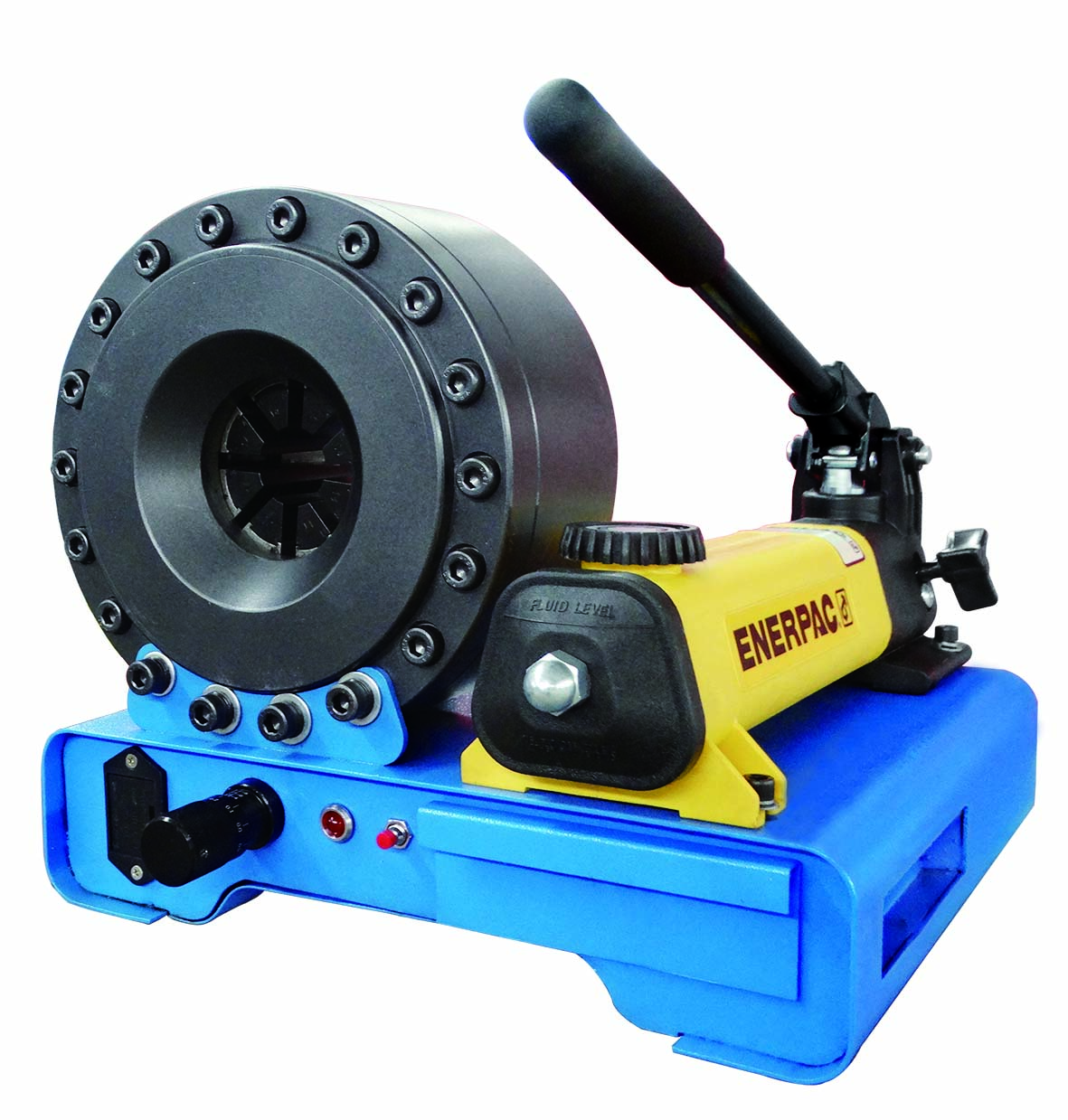
Manufacturing processes vary depending on hose construction. Braided hoses involve helically winding high-tensile yarns around a central core, creating a robust reinforcement layer. Spiral-wound hoses utilize pre-formed steel wire helices encased within rubber or thermoplastic compounds. Extrusion is fundamental, forming the inner tube and outer cover layers. The extrusion process demands precise control of temperature, pressure, and screw speed to ensure uniform wall thickness and material consistency. Vulcanization, a crucial step for rubber hoses, crosslinks the polymer chains, enhancing strength, elasticity, and resistance to degradation. Parameter control during vulcanization – temperature, time, and pressure – directly affects the final physical properties of the hose. Post-vulcanization, hoses undergo rigorous quality control, including pressure testing, dimensional checks, and visual inspection for defects.
Performance & Engineering
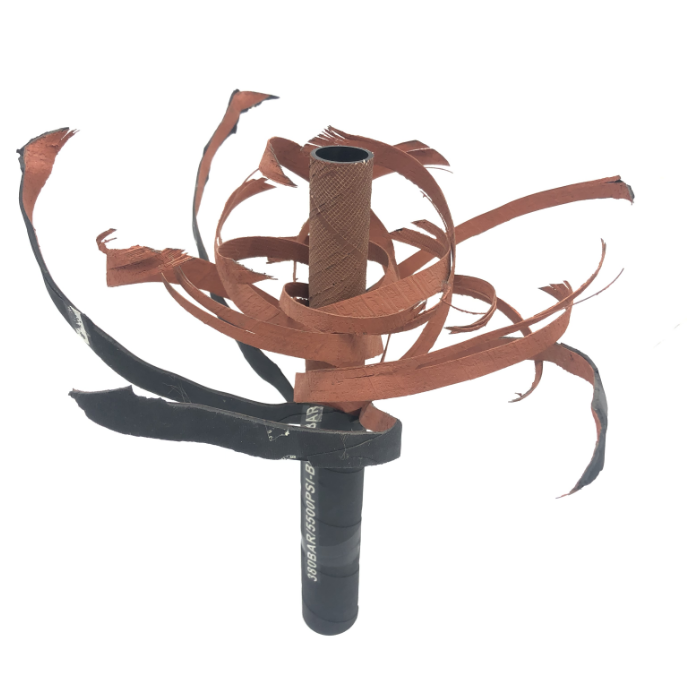
The performance of industrial water hose is critically defined by its ability to withstand internal pressure without failure, resisting deformation and maintaining structural integrity. Force analysis is paramount in design, employing the thin-walled cylinder theory to calculate hoop stress and longitudinal stress based on internal pressure and hose diameter. Burst pressure, typically four times the working pressure, represents the ultimate limit. Tensile strength, measured in MPa, indicates the hose’s resistance to pulling forces, important during deployment and handling. Elongation at break quantifies the hose's ductility before failure. Environmental resistance encompasses factors like temperature extremes, UV exposure, and chemical attack. EPDM hoses are favored for applications exposed to sunlight and ozone due to their superior weathering properties. For abrasive slurry transfer, hoses with abrasion-resistant liners, like high-density polyethylene, are employed to minimize wear.
Compliance requirements are stringent, often dictated by industry-specific standards (see footer). For example, hoses used in potable water applications must adhere to regulations regarding material leachability to prevent contamination. Fire hoses require adherence to standards pertaining to burst pressure, kink resistance, and flame retardancy. Hose selection also involves consideration of fluid compatibility. NBR is suitable for oil-based fluids, while EPDM is compatible with a wider range of chemicals. Proper hose coupling selection is vital to maintain the integrity of the system. Couplings must be pressure-rated to match or exceed the hose’s working pressure and constructed from materials compatible with the fluid being transferred. Proper installation, including avoiding sharp bends and ensuring adequate support, further contributes to optimal performance and longevity.
Technical Specifications
| Parameter | Unit | Standard Grade Hose | Heavy Duty Hose |
|---|---|---|---|
| Working Pressure | bar | 10 | 20 |
| Burst Pressure | bar | 40 | 80 |
| Inner Diameter | mm | 25 | 50 |
| Outer Diameter | mm | 35 | 65 |
| Tensile Strength | MPa | 15 | 25 |
| Elongation at Break | % | 300 | 400 |
Failure Mode & Maintenance
Industrial water hoses are susceptible to various failure modes. Fatigue cracking, resulting from repeated pressure cycles, initiates at stress concentration points (e.g., coupling connections, hose bends). Delamination occurs when the reinforcing layers separate from the rubber or thermoplastic matrix, reducing the hose's ability to withstand pressure. Degradation, driven by UV exposure, ozone attack, or chemical interaction, leads to material embrittlement and loss of flexibility. Oxidation, particularly in rubber hoses, causes hardening and cracking. Abrasion, stemming from the flow of abrasive particles, erodes the inner liner. Kinking, restricting fluid flow and creating stress concentrations, can lead to localized failure.
Preventative maintenance is crucial. Regular visual inspections should identify cuts, abrasions, bulges, or signs of degradation. Pressure testing, conducted at intervals based on application severity, verifies hose integrity. Proper storage, avoiding direct sunlight and extreme temperatures, extends hose life. After use, hoses should be thoroughly drained to prevent internal corrosion or freezing. Couplings should be inspected for tightness and corrosion. If damage is detected, the hose should be immediately removed from service. Repairing hoses is generally discouraged due to the potential for compromising structural integrity; replacement is typically recommended. Implementing a hose management program, tracking hose usage and maintenance records, optimizes performance and minimizes downtime.
Industry FAQ
Q: What is the impact of water hammer on industrial water hose lifespan?
A: Water hammer, a pressure surge resulting from sudden valve closure or pump starts/stops, significantly reduces hose lifespan. The repeated pressure spikes create cyclic stresses, accelerating fatigue cracking and potentially causing immediate rupture. Implementing surge suppressors, slow-closing valves, and proper pump control mechanisms are critical mitigation strategies.
Q: How do different reinforcement materials (textile vs. steel wire) affect hose performance in high-pressure applications?
A: Steel wire reinforcement provides substantially higher burst pressure and kink resistance compared to textile reinforcement. However, steel wire hoses are generally heavier and less flexible. Textile reinforced hoses are suitable for moderate-pressure applications where flexibility is a priority. The choice depends on the specific pressure requirements and handling constraints of the application.
Q: What are the considerations when selecting a hose for use with chemicals?
A: Chemical compatibility is paramount. The hose material must be resistant to degradation, swelling, or leaching when exposed to the specific chemical being transferred. Consult chemical resistance charts and material datasheets to verify compatibility. Consider the concentration and temperature of the chemical, as these factors influence the rate of degradation.
Q: How important is the hose liner material in minimizing friction loss?
A: The liner material significantly impacts friction loss. Smooth liners, such as those made from polyethylene, reduce friction and improve flow rate. Rough liners increase friction, requiring higher pump power to maintain flow. Selecting a liner material appropriate for the fluid being transferred and minimizing internal surface roughness are key to optimizing hydraulic efficiency.
Q: What are the best practices for storing industrial water hoses to maximize their service life?
A: Store hoses in a cool, dry, and well-ventilated area, away from direct sunlight, ozone sources (e.g., electric motors), and extreme temperatures. Coiling hoses loosely, rather than tightly winding them, prevents kinking and stress. Avoid storing hoses in contact with sharp objects or chemicals. Prior to storage, ensure hoses are thoroughly drained and cleaned.
Conclusion
Industrial water hose selection demands a comprehensive understanding of material science, manufacturing processes, and performance parameters. Factors such as working pressure, fluid compatibility, environmental conditions, and regulatory compliance must be carefully considered to ensure reliable and safe operation. Proper maintenance, including regular inspections and preventative measures, is critical for maximizing hose lifespan and minimizing downtime.
Advancements in hose technology are focused on developing materials with enhanced abrasion resistance, chemical compatibility, and UV stability. Furthermore, the integration of smart sensors into hoses is emerging, enabling real-time monitoring of pressure, temperature, and leak detection, leading to proactive maintenance and improved operational efficiency. Choosing the correct hose is an investment in long-term operational reliability and safety.