
Apr . 01, 2024 17:55 Back to list
Industrial Hose Suppliers Performance Analysis

Introduction
Industrial hoses are critical components in a wide array of industries, functioning as flexible conduits for the transfer of fluids, gases, and solid materials. These applications span sectors including agriculture, construction, mining, oil & gas, chemical processing, and firefighting. Their technical position within the supply chain is pivotal, acting as the last line of defense ensuring safe and efficient material handling. Modern industrial hoses are engineered to withstand extreme conditions – high pressures, abrasive materials, corrosive chemicals, and fluctuating temperatures. Core performance characteristics include burst pressure, working pressure, temperature rating, chemical compatibility, and flexibility. A key industry pain point revolves around hose failure leading to downtime, safety hazards, and costly replacements. Another critical challenge is selecting the appropriate hose material and construction for specific application requirements, considering fluid compatibility and operational parameters. Finally, maintaining regulatory compliance with evolving safety standards remains a constant concern for industrial users and suppliers alike.
Material Science & Manufacturing
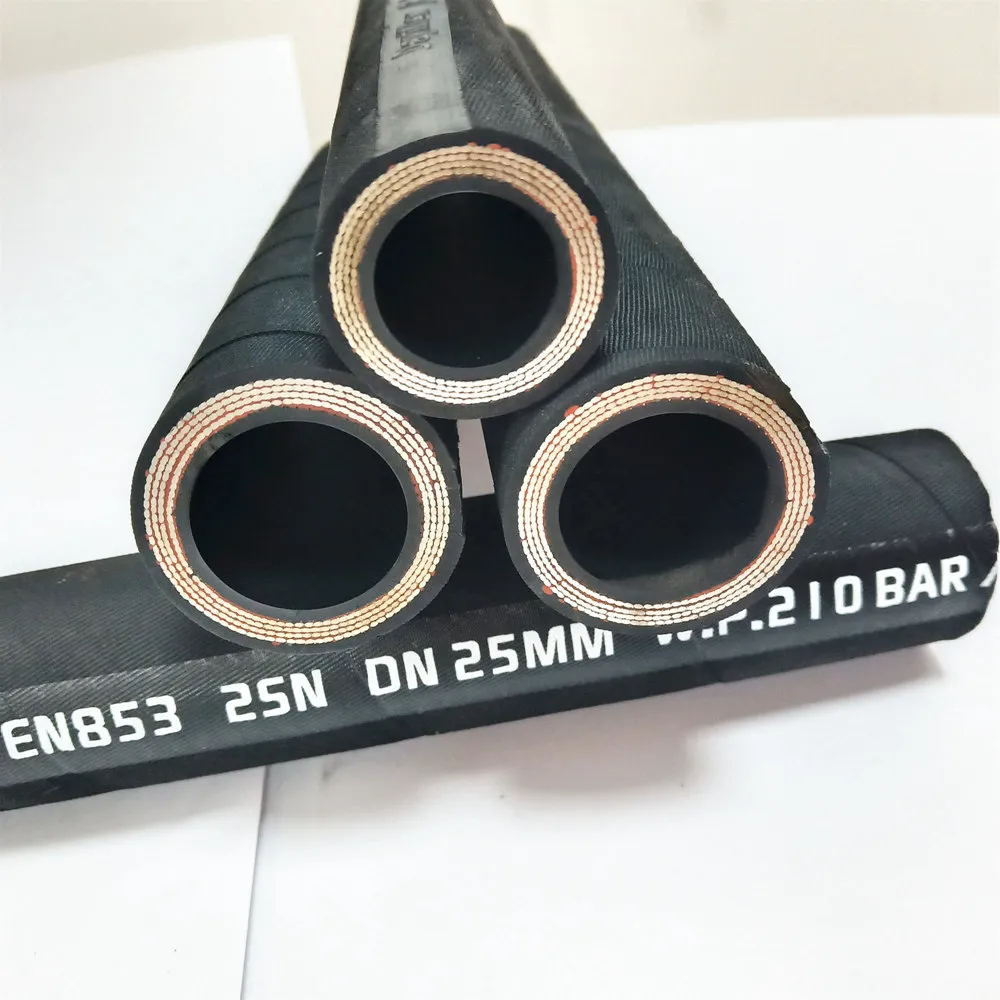
Industrial hose construction typically involves a multi-layered design. The innermost layer, or tube, defines fluid compatibility and is frequently composed of materials like natural rubber (NR), synthetic rubbers (SBR, EPDM, NBR, CR), thermoplastics (PVC, PE, PP), or fluoropolymers (PTFE, FEP). Each material exhibits unique properties. NR offers excellent flexibility and abrasion resistance but limited oil resistance. NBR provides superior oil resistance but is less flexible. EPDM excels in weathering and chemical resistance, while PTFE offers exceptional chemical inertness and high-temperature resistance. The reinforcement layer(s) dictate pressure handling capabilities. These layers commonly utilize textile braids (polyester, nylon, aramid), spiral-wound steel wire, or a combination thereof. Steel wire offers the highest pressure capacity but reduces flexibility. The cover layer provides external protection against abrasion, weathering, and chemical exposure. Materials used for the cover include CR, PVC, PU, and specialized coatings. Manufacturing processes vary depending on the hose type and materials. Rubber hoses are often produced through extrusion, followed by vulcanization – a process involving heat and pressure to crosslink the rubber molecules, enhancing its strength and elasticity. Thermoplastic hoses are typically manufactured through extrusion or injection molding. Critical parameters during extrusion include die temperature, screw speed, and material feed rate. During vulcanization, precise temperature and pressure control are essential to achieve optimal crosslinking density and mechanical properties. Quality control measures include dimensional inspection, pressure testing, and material analysis (hardness, tensile strength, elongation) to ensure conformity to specifications.
Performance & Engineering
The performance of an industrial hose is governed by complex engineering principles. Burst pressure, the maximum pressure the hose can withstand before failure, is determined by the reinforcement layer's strength and the tube material's tensile properties. Working pressure is a fraction of the burst pressure, defined by a safety factor (typically 4:1). Force analysis, particularly stress-strain analysis, is crucial in designing hoses for high-pressure applications. Finite Element Analysis (FEA) is commonly employed to model stress distribution and predict failure points. Environmental resistance encompasses a range of factors. UV exposure can degrade rubber compounds, necessitating the use of UV stabilizers. Ozone attack is a concern for unsaturated rubbers like NR. Temperature fluctuations induce expansion and contraction, leading to potential fatigue failure. Chemical compatibility is paramount. Incompatible fluids can cause swelling, softening, or degradation of the hose material. Regulatory compliance is dictated by industry-specific standards (see footer). For example, hoses used in food processing must adhere to FDA regulations. Firefighting hoses must meet NFPA standards. Hydraulic hoses used in heavy machinery require compliance with SAE standards. Functional implementation details include considerations for bend radius, which impacts flow rate and stress concentration, and end fitting compatibility, which ensures leak-free connections.
Technical Specifications
| Hose Type | Material (Tube) | Reinforcement | Working Pressure (PSI) |
|---|---|---|---|
| Water Discharge | SBR/NBR Blend | Polyester Braid | 300 |
| Air/Water | PVC | Spiral PVC | 150 |
| Chemical Transfer | PTFE | Stainless Steel Braid | 500 |
| Hydraulic | NBR | Steel Wire Spiral | 4000 |
| Steam | EPDM | High-Tensile Textile Cord | 250 |
| Food Grade | USP Class VI PVC | Stainless Steel Braid | 200 |
Failure Mode & Maintenance
Industrial hose failure can manifest in several forms. Fatigue cracking occurs due to repeated bending and pressure cycles, particularly near end fittings. Delamination separates the reinforcement layers from the tube or cover, reducing pressure capacity. Degradation results from chemical attack, UV exposure, or ozone cracking, weakening the hose material. Oxidation causes hardening and embrittlement, especially in rubber compounds. Abrasion damages the cover layer, exposing the reinforcement and accelerating degradation. Pinholes develop from punctures or corrosion. Common causes of premature failure include exceeding working pressure, improper hose routing (kinking or twisting), incompatible fluids, and inadequate maintenance. Preventive maintenance is crucial. Regular visual inspections should identify signs of cracking, abrasion, or swelling. Pressure testing can detect leaks and assess the hose's overall integrity. Hose should be properly stored in a cool, dry, and dark environment, away from direct sunlight and chemicals. End fittings should be inspected for corrosion and tightness. When replacing hoses, it’s vital to use compatible end fittings and follow manufacturer’s installation guidelines. Record keeping of hose inspections, replacements, and usage patterns can aid in identifying recurring problems and optimizing hose selection.
Industry FAQ
Q: What is the primary difference between a rubber hose and a thermoplastic hose?
A: Rubber hoses generally offer greater flexibility and abrasion resistance, making them suitable for applications involving movement and harsh environments. Thermoplastic hoses, however, are typically more chemically resistant and can handle higher temperatures. The choice depends heavily on the specific fluid being conveyed and the operating conditions.
Q: How does steel wire reinforcement affect hose performance?
A: Steel wire reinforcement significantly increases the hose's burst pressure and resistance to kinking. However, it reduces flexibility compared to textile-reinforced hoses. Steel wire is typically used in high-pressure hydraulic applications where flexibility is less critical.
Q: What are the key considerations when selecting a hose for chemical transfer?
A: Chemical compatibility is paramount. The hose material must be resistant to the specific chemical being conveyed to prevent swelling, degradation, or leaching. Factors like concentration, temperature, and exposure duration also influence material selection. Refer to chemical resistance charts and consult with a hose supplier.
Q: How do I determine the appropriate working pressure for my application?
A: Calculate the maximum system pressure, including pressure spikes and surges. Then, select a hose with a working pressure that is at least four times the maximum system pressure to provide an adequate safety factor. Always err on the side of caution and choose a hose with a higher pressure rating if unsure.
Q: What is the role of a hose cover and what materials are commonly used?
A: The hose cover protects the reinforcement layer from external damage, abrasion, and environmental factors. Common cover materials include CR (chloroprene rubber), PVC (polyvinyl chloride), and PU (polyurethane). CR provides excellent abrasion and weather resistance, PVC is cost-effective and chemical resistant, and PU offers superior abrasion and oil resistance.
Conclusion
The selection and implementation of industrial hoses are complex engineering challenges requiring a thorough understanding of material science, manufacturing processes, and performance characteristics. Choosing the appropriate hose involves considering fluid compatibility, pressure requirements, environmental conditions, and regulatory compliance. Proactive maintenance, including regular inspections and adherence to manufacturer recommendations, is essential for maximizing hose lifespan and minimizing downtime.
Future trends in industrial hose technology focus on developing lighter-weight materials, enhancing chemical resistance, and integrating smart sensing capabilities for real-time monitoring of hose condition. The integration of IoT sensors and data analytics will enable predictive maintenance, reducing unplanned outages and optimizing operational efficiency. Continuous innovation in hose materials and manufacturing techniques will be crucial for meeting the evolving demands of increasingly complex industrial applications.