
Apr . 01, 2024 17:55 Back to list
Industrial Hose Supplier Performance Analysis
Introduction
Industrial hoses are critical components in numerous B2B applications, functioning as flexible conduits for the transfer of fluids, gases, and solids. They represent a significant segment within the broader fluid handling industry, positioned between raw material suppliers (rubber, thermoplastics, metal reinforcement) and end-user industries like oil & gas, chemical processing, agriculture, construction, and mining. Core performance characteristics defining industrial hose suitability include pressure rating, temperature resistance, chemical compatibility, abrasion resistance, and flexibility. The industry currently faces increasing demands for specialized hoses capable of handling aggressive chemicals, ultra-high pressures, and fluctuating temperatures while complying with increasingly stringent safety and environmental regulations. Failure in industrial hose applications can lead to significant downtime, environmental hazards, and safety risks, necessitating robust design, material selection, and maintenance protocols. This guide provides an in-depth technical overview of industrial hose technology, focusing on material science, manufacturing processes, performance characteristics, failure modes, and industry standards.
Material Science & Manufacturing
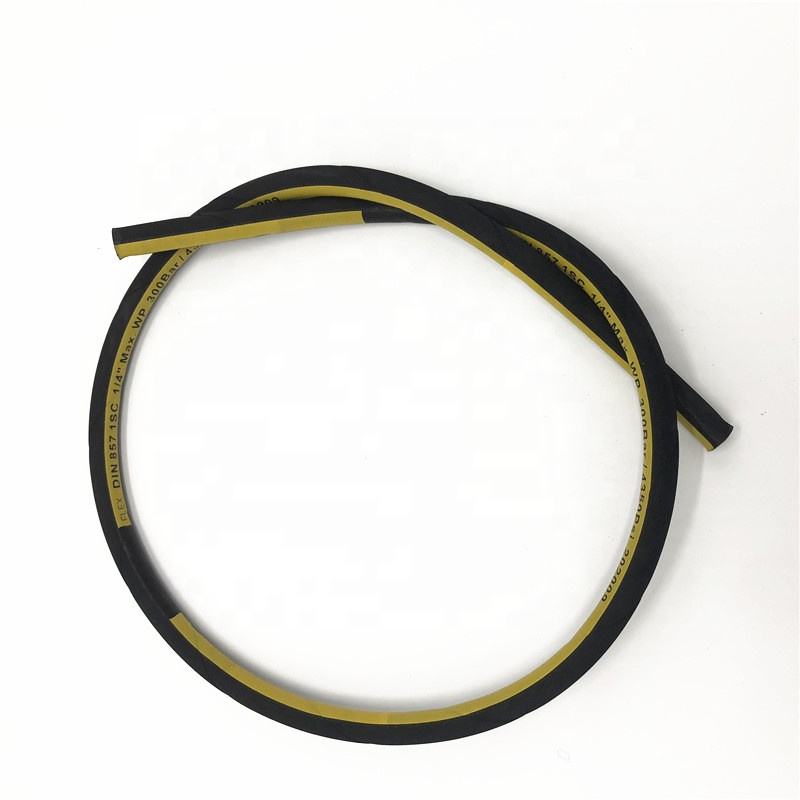
Industrial hoses are typically constructed from a combination of elastomeric polymers, reinforcing layers, and cover materials. Common elastomers include Natural Rubber (NR) providing high tensile strength and resilience; Styrene-Butadiene Rubber (SBR) offering good abrasion resistance and cost-effectiveness; Ethylene Propylene Diene Monomer (EPDM) renowned for its excellent weather and chemical resistance (particularly to heat and ozone); Nitrile Rubber (NBR) providing superior resistance to oils, fuels, and hydraulic fluids; and Chloroprene Rubber (CR, Neoprene) offering a balance of properties including oil resistance, weathering, and moderate chemical resistance. Thermoplastic materials like Polyvinyl Chloride (PVC), Polyethylene (PE), and Polyurethane (PU) are also widely used, offering specific advantages in terms of cost, flexibility, and chemical inertness.
Reinforcement layers are crucial for withstanding internal pressure and preventing hose collapse or bursting. These typically consist of textile plies (woven nylon, polyester, or rayon) offering flexibility and moderate pressure resistance; steel wire helixes providing high pressure capacity and kink resistance; and/or braided steel wire offering the highest pressure ratings and resistance to twisting and flexing. Cover materials provide external protection against abrasion, weathering, and chemical attack. These are also usually elastomers or thermoplastic compounds selected based on the intended application.
Manufacturing processes vary based on hose type and materials. Rubber hoses are commonly produced through extrusion, where the rubber compound is forced through a die to create a continuous tube. Reinforcement layers are then applied, followed by a final cover extrusion. Vulcanization, a chemical process involving heating the rubber with sulfur or other curing agents, cross-links the polymer chains, imparting strength, elasticity, and durability. Thermoplastic hoses are primarily manufactured using extrusion or injection molding. For braided hoses, a specialized braiding machine intertwines steel wires around the inner tube, creating a robust reinforcing structure. Quality control throughout the manufacturing process is paramount, with rigorous testing of material properties, dimensional accuracy, and pressure resistance to ensure compliance with industry standards.
Performance & Engineering
The performance of an industrial hose is dictated by a complex interplay of material properties and engineering design. Burst pressure, defined as the pressure at which the hose fails, is a critical parameter determined by the reinforcement layer and the tensile strength of the elastomer. Working pressure, typically a fraction (e.g., 4:1 or 2:1) of the burst pressure, represents the safe operating pressure for continuous use. Temperature resistance is equally important, as elastomers degrade at elevated temperatures, leading to reduced strength and flexibility. Chemical compatibility dictates the hose’s ability to withstand exposure to various fluids without swelling, cracking, or leaching. Abrasion resistance, particularly crucial in applications involving abrasive materials, is determined by the cover material’s hardness and wear resistance.
Force analysis is essential for understanding hose behavior under pressure and bending. Hoop stress, the circumferential stress acting on the hose wall, increases with internal pressure and hose diameter. Longitudinal stress, the stress acting along the hose length, is affected by the reinforcement layer. Fatigue life, the number of pressure cycles a hose can withstand before failure, is a critical consideration for pulsating flow applications. Finite element analysis (FEA) is often employed to simulate hose behavior under various loading conditions, optimizing design parameters for maximum performance and durability. Compliance requirements, such as those stipulated by OSHA, REACH, and RoHS, influence material selection and manufacturing processes.
Specific functional implementations demand tailored engineering solutions. For example, food-grade hoses require FDA-compliant materials and smooth inner surfaces to prevent contamination. High-temperature steam hoses necessitate robust insulation and specialized elastomers capable of withstanding prolonged exposure to high temperatures. Suction hoses require resistance to collapse under vacuum conditions, often achieved through the incorporation of a steel helix. Electrostatic dissipative (ESD) hoses are essential in applications involving flammable fluids, preventing the buildup of static electricity that could ignite a fire.
Technical Specifications
| Parameter | Unit | Typical Value (Rubber Hose) | Typical Value (Thermoplastic Hose) |
|---|---|---|---|
| Working Pressure | psi | 200-500 | 150-300 |
| Burst Pressure | psi | 600-1500 | 450-900 |
| Temperature Range | °F | -40 to +212 | -20 to +176 |
| Inner Diameter | inches | 0.25 – 12 | 0.125 – 8 |
| Outer Diameter | inches | 0.5 – 15 | 0.375 – 10 |
| Material (Inner Tube) | - | NBR, EPDM, CR | PVC, PE, PP |
Failure Mode & Maintenance
Industrial hose failures stem from various mechanisms. Fatigue cracking, induced by repeated pressure cycles and flexing, is a common failure mode, particularly in high-stress areas. Abrasion damage occurs due to contact with abrasive materials, leading to wear and thinning of the cover. Chemical attack causes degradation of the elastomer, resulting in swelling, cracking, or loss of elasticity. Ozone cracking, prevalent in exposed applications, occurs due to ozone attack on unsaturated elastomers. Kink damage arises from sharp bending, causing localized stress concentrations and potential rupture. Delamination, the separation of layers, weakens the hose structure and can lead to catastrophic failure. Oxidation causes hardening and embrittlement of the elastomer over time, reducing its flexibility and strength.
Proper maintenance is crucial for extending hose lifespan and preventing failures. Regular visual inspections should identify any signs of damage, such as cracks, abrasions, or swelling. Pressure testing should verify the hose’s ability to withstand its working pressure. Hoses should be properly stored, protected from sunlight, heat, and chemicals. Avoid sharp bends and kinks during installation and operation. Replace hoses immediately if any signs of damage are detected. Implement a preventative maintenance schedule based on the hose’s application and operating conditions. Record keeping, documenting inspection dates, pressure test results, and any repairs or replacements, aids in identifying trends and optimizing maintenance practices.
Industry FAQ
Q: What is the impact of hose layflat diameter on flow rate?
A: The layflat diameter, or unpressurized internal diameter, significantly influences flow rate. A larger layflat diameter reduces flow resistance, allowing for higher flow rates at a given pressure. However, reducing the layflat diameter increases flow velocity, potentially leading to increased pressure drop and erosion. The optimal layflat diameter depends on the specific fluid being conveyed, the required flow rate, and the hose’s length and material.
Q: How does temperature affect the working pressure rating of a hose?
A: As temperature increases, the tensile strength and elasticity of the elastomer decrease, reducing the hose’s ability to withstand internal pressure. Working pressure ratings are typically specified at a reference temperature (e.g., 70°F). Derating factors are applied to the working pressure rating as the operating temperature deviates from the reference temperature. Consult the hose manufacturer’s specifications for specific derating factors.
Q: What is the difference between a braided hose and a spiral hose?
A: Braided hoses utilize interwoven steel wires to provide reinforcement, offering high pressure ratings and excellent resistance to twisting and flexing. Spiral hoses incorporate a continuously wound steel helix, providing high pressure capacity and kink resistance. Braided hoses generally offer greater flexibility, while spiral hoses provide higher burst pressures.
Q: How important is chemical compatibility when selecting a hose?
A: Chemical compatibility is paramount. Exposure to incompatible chemicals can cause swelling, cracking, or degradation of the elastomer, leading to premature failure. Refer to chemical resistance charts provided by hose manufacturers to ensure compatibility between the hose material and the conveyed fluid. Consider not only the primary fluid but also any potential contaminants or cleaning agents.
Q: What are the typical failure signs that indicate a hose needs replacement?
A: Common failure signs include visible cracks, abrasions, swelling, blistering, discoloration, and leaks. Reduced flexibility, increased stiffness, and changes in layflat diameter also indicate potential issues. Any evidence of delamination or steel wire exposure necessitates immediate replacement. Regular pressure testing can also reveal hidden weaknesses.
Conclusion
Industrial hoses are critical, yet often overlooked, components in a wide array of B2B applications. Their performance is dictated by a complex interplay of material science, manufacturing processes, and engineering design. Selecting the appropriate hose requires a thorough understanding of the application’s operating conditions, including pressure, temperature, chemical compatibility, and abrasion potential. Neglecting these factors can lead to costly downtime, safety hazards, and environmental risks.
Proactive maintenance, including regular inspections, pressure testing, and timely replacement of damaged hoses, is essential for maximizing lifespan and ensuring reliable operation. Adherence to relevant industry standards and regulations is paramount for maintaining safety and environmental compliance. Continued advancements in materials and manufacturing technologies are driving the development of more durable, reliable, and specialized industrial hoses, addressing the evolving needs of modern industries.