
Apr . 01, 2024 17:55 Back to list
industrial hose Performance Analysis
Introduction
Industrial hose constitutes a critical component in numerous fluid and material transfer applications across diverse sectors including oil and gas, chemical processing, agriculture, construction, and mining. Distinguished from garden hoses or pneumatic lines, industrial hose is engineered to withstand extreme temperatures, pressures, and corrosive substances, providing a reliable and safe conduit for various media. Its technical position within the industry chain lies between the source of the fluid or material being transferred (e.g., pump, reactor) and its point of utilization (e.g., processing unit, application tool). Core performance characteristics center around pressure rating, chemical compatibility, temperature resistance, abrasion resistance, and flexibility, all dictated by the hose's construction and materials. A key industry pain point revolves around selecting hose with appropriate chemical resistance to prevent premature degradation and potential catastrophic failure, particularly given the increasing complexity of transferred fluids and stricter environmental regulations concerning leakage and spills.
Material Science & Manufacturing
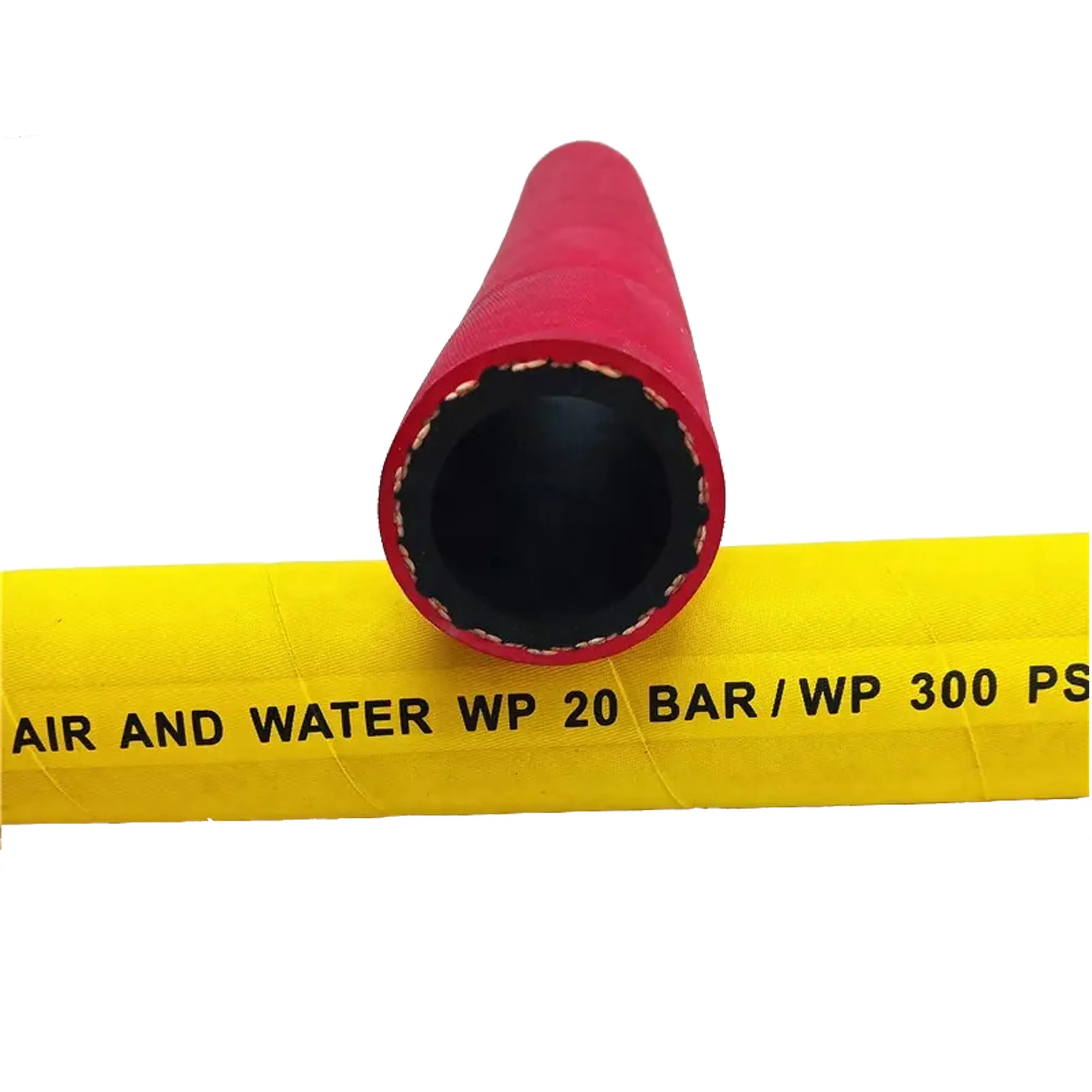
Industrial hose construction typically involves multiple layers, each contributing to specific performance attributes. Core materials include synthetic rubbers (e.g., EPDM, Nitrile, Viton), thermoplastic polymers (e.g., PVC, Polyurethane), and reinforcing layers such as textiles (e.g., nylon, polyester) or metallic spirals (e.g., steel wire). EPDM offers excellent resistance to weathering, ozone, and heat, making it suitable for water and steam applications. Nitrile provides superior oil and fuel resistance. Viton excels in harsh chemical environments and high temperatures. The manufacturing process varies depending on hose type. Rubber hoses are commonly produced via extrusion, where the rubber compound is forced through a die to create a continuous tube. This is often followed by curing (vulcanization) to enhance strength and elasticity. Thermoplastic hoses frequently use injection molding or blown film extrusion. Reinforcement layers are applied during or after extrusion, typically using braiding or spiraling techniques. Key parameter control during manufacturing includes maintaining precise rubber compound formulations, controlling extrusion temperature and pressure, ensuring consistent reinforcement layer coverage, and rigorous quality control testing for dimensional accuracy and burst pressure. Chemical compatibility is critical, demanding precise blending of polymers and additives to resist swelling, cracking, or leaching when exposed to the intended media.
Performance & Engineering
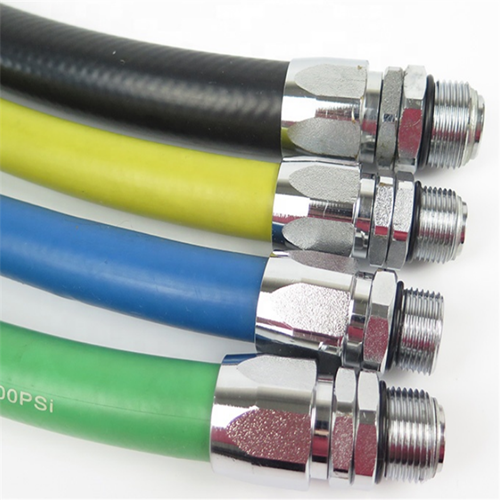
Performance of industrial hose is governed by several engineering principles. Force analysis is vital in determining the hose’s ability to withstand internal pressure. Hoop stress, calculated using Barlow’s formula (σ = PD/2t, where σ is hoop stress, P is internal pressure, D is inner diameter, and t is wall thickness), dictates the required wall thickness to prevent bursting. Flexibility is engineered through specific polymer selection and reinforcement configurations; tighter reinforcement braiding yields greater pressure resistance but reduced flexibility, requiring a trade-off based on application needs. Environmental resistance is assessed through accelerated aging tests simulating exposure to UV radiation, ozone, extreme temperatures, and chemical splash. Compliance requirements often necessitate adherence to standards set by regulatory bodies like OSHA (Occupational Safety and Health Administration) regarding worker safety, and EPA (Environmental Protection Agency) concerning environmental protection. Functional implementation often involves specialized fittings and couplings, designed to ensure leak-proof connections under pressure and prevent accidental disconnection. Static grounding is often essential when transferring flammable liquids to prevent electrostatic discharge.
Technical Specifications
| Working Pressure (PSI) | Burst Pressure (PSI) | Temperature Range (°F) | Chemical Compatibility |
|---|---|---|---|
| 300 | 900 | -40 to 212 | Water, Air, Hydraulic Oil |
| 150 | 450 | -65 to 158 | Fuel, Solvents, Lubricants |
| 500 | 1500 | -20 to 275 | Acids, Alkalis, Corrosive Chemicals |
| 200 | 600 | -10 to 180 | Steam, Hot Water |
| 400 | 1200 | -50 to 230 | Abrasive Slurries, Cement |
| 100 | 300 | -70 to 176 | Food Grade Liquids, Beverages |
Failure Mode & Maintenance
Industrial hose failures are often attributable to a combination of factors. Fatigue cracking occurs due to repeated flexing and pressure cycles, initiating at stress concentration points (e.g., fitting connections). Delamination, the separation of layers, is often caused by inadequate bonding during manufacturing or chemical attack. Degradation, manifested as swelling, softening, or discoloration, results from incompatibility with the conveyed fluid. Oxidation leads to embrittlement and cracking, particularly in rubbers exposed to air and ozone. Abrasion, common in slurry applications, erodes the inner lining. Maintenance procedures include regular visual inspection for cracks, bulges, or leaks. Pressure testing should be conducted periodically to verify structural integrity. Proper storage is essential; hoses should be stored in a cool, dry, and dark environment, away from direct sunlight and chemicals. Avoid kinking or bending the hose beyond its minimum bend radius. For critical applications, a preventative maintenance schedule with documented inspections and replacement criteria is recommended. Incorrect fitting installation (over-tightening or under-tightening) contributes significantly to premature failure.
Industry FAQ
Q: What is the significance of the “layflat” dimension in a hose specification?
A: The layflat dimension indicates the hose's diameter when it is fully collapsed and unpressurized. This is critical for storage and transportation efficiency. A smaller layflat dimension means the hose can be coiled more compactly, reducing storage space requirements and shipping costs. It is also important to consider when designing hose routing systems.
Q: How does hose cover material affect abrasion resistance?
A: The hose cover material is the primary defense against external abrasion. Materials like polyurethane and specially formulated rubber compounds provide superior abrasion resistance compared to standard PVC. The durometer (hardness) of the cover also plays a role; higher durometer covers are generally more abrasion resistant but may be less flexible. The specific abrasive material being conveyed (e.g., sand, gravel) dictates the required level of abrasion resistance.
Q: What are the implications of exceeding the hose’s maximum working pressure?
A: Exceeding the maximum working pressure significantly increases the risk of catastrophic failure, potentially resulting in hose rupture, fluid release, and personal injury. Even short-term overpressure can cause permanent damage to the hose’s reinforcement layers, reducing its future pressure rating. Safety factors are built into pressure ratings, but exceeding the stated limit negates these safeguards.
Q: Can a hose rated for oil be used to convey water without issue?
A: Generally, yes, a hose rated for oil can often be used to convey water. However, it’s crucial to verify the hose’s internal construction. Some oil-resistant hoses contain plasticizers or additives that may leach into the water, potentially contaminating it. Always check the manufacturer’s specifications and ensure the hose material is compatible with water applications.
Q: What is the best method for assessing chemical compatibility before selecting a hose?
A: The most reliable method is to consult a chemical compatibility chart provided by the hose manufacturer. These charts list the compatibility of various hose materials with a wide range of chemicals. If a specific chemical is not listed, a small-scale immersion test is recommended: submerge a sample of the hose material in the chemical for a defined period and observe for swelling, discoloration, or degradation. Always prioritize safety and conduct tests in a controlled environment.
Conclusion
Industrial hose selection is a complex engineering decision demanding careful consideration of numerous factors, including fluid compatibility, pressure requirements, temperature extremes, and abrasion resistance. A robust understanding of material science principles and manufacturing processes is paramount to ensuring optimal performance and preventing premature failure. Ignoring these considerations can lead to costly downtime, environmental hazards, and potential safety risks.
The ongoing development of advanced hose materials and manufacturing techniques is driving improvements in performance and durability. Future trends point towards increased use of composite materials, smart hoses with integrated sensors for leak detection and pressure monitoring, and more sustainable hose solutions utilizing recycled and bio-based polymers. Proper maintenance and adherence to industry standards remain essential for maximizing the service life and reliability of industrial hose systems.