
Apr . 01, 2024 17:55 Back to list
Industrial Hose Manufacturer Performance Analysis
Introduction
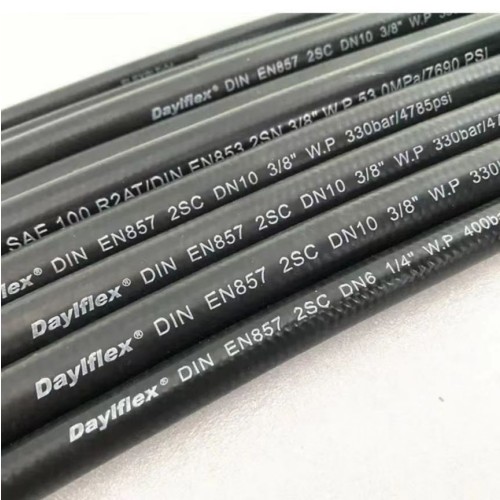
Industrial hose is a critical component in numerous fluid transfer applications across diverse industries, including oil and gas, chemical processing, agriculture, construction, and mining. Functioning as a flexible conduit, industrial hoses facilitate the safe and efficient conveyance of liquids, gases, slurries, and abrasive materials. Their technical position within the industrial chain is as a terminal component directly interfacing with process equipment, storage systems, and transport vehicles. Core performance characteristics include pressure resistance, chemical compatibility, temperature tolerance, abrasion resistance, and flexibility. Understanding these parameters is paramount for ensuring operational safety, minimizing downtime, and maximizing the lifespan of the hose assembly. This guide provides an in-depth technical analysis of industrial hose, encompassing material science, manufacturing processes, performance engineering, failure modes, and relevant industry standards, addressing key pain points related to premature failure, fluid incompatibility, and regulatory compliance.
Material Science & Manufacturing
The selection of materials for industrial hose construction is dictated by the intended application and the characteristics of the conveyed media. Common materials include synthetic rubbers (NBR, EPDM, CR), thermoplastic polymers (PVC, PU, PE), and reinforcing layers such as textile braids (polyester, nylon) and steel wire helices. NBR (Nitrile Butadiene Rubber) offers excellent resistance to oil and fuels; EPDM (Ethylene Propylene Diene Monomer) exhibits superior resistance to weathering, ozone, and heat; CR (Chloroprene Rubber) provides flame resistance and good chemical compatibility. PVC (Polyvinyl Chloride) is cost-effective and versatile, while PU (Polyurethane) excels in abrasion resistance. Manufacturing processes vary depending on hose type. Rubber hoses are typically produced through extrusion, where the rubber compound is forced through a die to create a continuous tube. This is often followed by vulcanization, a chemical process involving sulfur or peroxides that crosslinks the rubber molecules, enhancing its strength, elasticity, and resistance to degradation. Thermoplastic hoses are manufactured via extrusion or injection molding. Reinforcement layers are applied during or after extrusion, often through spiraling or braiding operations. Critical parameters during manufacturing include precise control of compound mixing ratios, extrusion temperatures, vulcanization times, and reinforcement layer tension. Improper control can lead to defects such as porosity, inconsistent wall thickness, and premature separation of reinforcement layers. The inner tube composition, reinforcement structure, and outer cover materials must work synergistically to deliver the desired performance characteristics.
Performance & Engineering
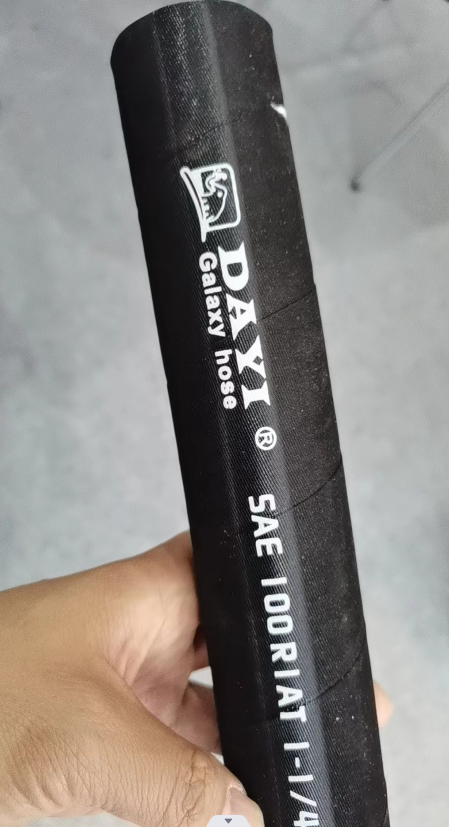
Industrial hose performance is governed by several engineering principles. Burst pressure, derived from the hose’s ability to withstand internal hydraulic pressure, is a primary design consideration. This is directly related to the material strength of the tube and reinforcement layers, as well as the hose’s diameter and wall thickness. Hose assemblies are subject to significant stress during operation, including internal pressure, external bending, axial tension, and torsional loads. Finite Element Analysis (FEA) is frequently employed to model these stresses and optimize hose design. Chemical compatibility is another crucial factor. The conveyed fluid must not cause swelling, degradation, or permeation of the hose material. This is assessed through immersion testing and analysis of weight change and physical property alterations. Temperature extremes can also impact performance, affecting material flexibility, strength, and resistance to chemical attack. Abrasion resistance is critical in applications involving abrasive materials or harsh environments. The outer cover material, typically rubber or polyurethane, provides protection against wear and tear. Environmental resistance also includes UV exposure and ozone degradation, addressed through the incorporation of UV stabilizers and ozone-resistant polymers. Compliance requirements, such as those dictated by OSHA (Occupational Safety and Health Administration) and EPA (Environmental Protection Agency), influence material selection and design features to ensure safe and environmentally responsible operation. Static electricity build-up can also be a concern when conveying flammable fluids, requiring the use of conductive hoses and grounding mechanisms.
Technical Specifications
| Parameter | Unit | NBR Hose | EPDM Hose |
|---|---|---|---|
| Working Pressure | PSI | 300 | 250 |
| Burst Pressure | PSI | 900 | 750 |
| Temperature Range | °F | -40 to 212 | -50 to 275 |
| Chemical Resistance | Rating (1-5) | 4 (Oil, Fuel) | 5 (Weather, Ozone) |
| Reinforcement | Type | Polyester Braid | Spiral Steel Wire |
| Abrasion Resistance | Taber Abrasion Index | 150 | 200 |
Failure Mode & Maintenance
Industrial hose failures can manifest in various forms. Fatigue cracking, often occurring in the reinforcement layers, is a common issue resulting from repeated flexing and pressure cycling. Delamination, the separation of layers within the hose wall, can lead to catastrophic failure. Chemical attack causes swelling, softening, or degradation of the hose material, reducing its strength and flexibility. Abrasion wear erodes the outer cover, exposing the reinforcement layers to corrosion and damage. Oxidation and UV degradation can embrittle the hose material, making it prone to cracking. Internal corrosion is a possibility when conveying corrosive fluids. Failure analysis often involves visual inspection, microscopic examination, and chemical testing to identify the root cause. Preventive maintenance is crucial for maximizing hose lifespan and ensuring operational safety. Regular visual inspections should be conducted to identify signs of wear, damage, or chemical attack. Hoses should be properly stored when not in use, protected from UV exposure and extreme temperatures. Pressure testing should be performed periodically to verify the integrity of the hose assembly. Proper handling procedures, such as avoiding sharp bends and kinking, can minimize stress on the hose. Replacement should occur at recommended intervals or when any signs of degradation or damage are observed. Careful consideration of the conveyed media and operating conditions is paramount when selecting a hose and implementing a maintenance program.
Industry FAQ
Q: What is the impact of surge pressure on industrial hose life?
A: Surge pressure, or water hammer, is a significant contributor to hose failure. It creates a momentary pressure spike far exceeding the working pressure, inducing stress on the hose wall and reinforcement layers. Repeated surge events can lead to fatigue cracking and delamination. Mitigation strategies include using surge suppressors, slow-closing valves, and properly sized hoses to minimize pressure fluctuations.
Q: How does the type of reinforcement affect hose performance?
A: The reinforcement layer provides structural support and prevents hose expansion under pressure. Textile braids (polyester, nylon) offer good flexibility and are suitable for lower-pressure applications. Spiral steel wire provides higher strength and burst resistance, making it ideal for high-pressure and abrasive applications. The helix angle and wire diameter significantly impact hose stiffness and flexibility.
Q: What is the role of hose couplings in overall system reliability?
A: Hose couplings are critical components. Improperly selected or installed couplings can be a major source of leaks and failures. Coupling materials must be compatible with the hose material and the conveyed fluid. Proper crimping or swaging techniques are essential for ensuring a secure and leak-proof connection. Regular inspection and maintenance of couplings are crucial.
Q: What considerations are important when selecting a hose for conveying abrasive slurries?
A: Conveying abrasive slurries requires hoses with high abrasion resistance. Polyurethane (PU) hoses are often the preferred choice due to their superior wear properties. The hose’s inner diameter should be large enough to minimize slurry velocity and reduce abrasion. Reinforcement layers should be robust enough to withstand the impact of abrasive particles. Regular inspection and replacement are critical.
Q: How do static electricity and grounding affect safe hose operation?
A: When conveying flammable liquids or gases, static electricity build-up can create a spark hazard. Using conductive hoses with a grounding wire provides a path for static charge to dissipate safely. Proper grounding is essential to prevent ignition of flammable vapors. Regular testing of grounding connections is recommended.
Conclusion
The selection and implementation of industrial hose systems require a comprehensive understanding of material science, engineering principles, and operational considerations. Proper material selection, accounting for chemical compatibility, temperature extremes, and abrasion resistance, is paramount. Effective manufacturing processes and rigorous quality control are essential for ensuring hose integrity and longevity. Implementing a proactive maintenance program, including regular inspections, pressure testing, and timely replacement, is critical for maximizing performance, minimizing downtime, and ensuring operational safety.
Advancements in hose technology continue to focus on developing more durable, chemically resistant, and lightweight materials. Future trends include the incorporation of smart sensors for real-time monitoring of hose condition and the development of self-healing polymers to extend hose lifespan. A continued emphasis on regulatory compliance and environmental sustainability will drive innovation in hose design and materials.