
Apr . 01, 2024 17:55 Back to list
Industrial Hose Factories Performance Analysis
Introduction
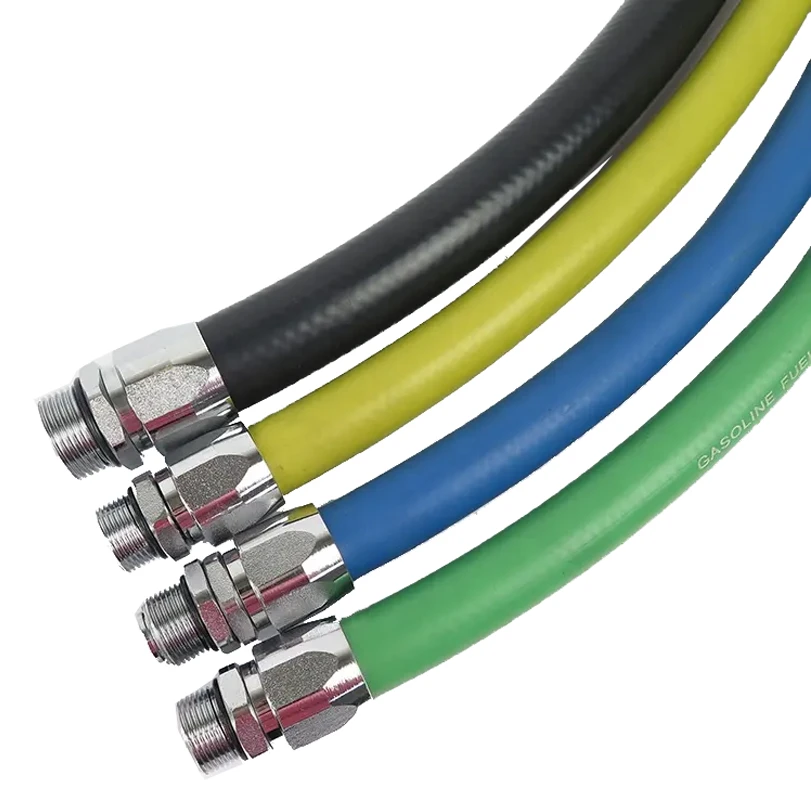
Industrial hoses are critical components in fluid transfer systems across numerous sectors including agriculture, construction, manufacturing, oil and gas, and chemical processing. They function as flexible conduits for liquids, gases, abrasive materials, and specialized chemicals, often operating under extreme pressures and temperatures. The technical position of industrial hoses resides between the source of the fluid/material and its point of application, demanding robust construction and precise material selection to ensure operational efficiency, safety, and longevity. Core performance characteristics center around pressure capacity, chemical compatibility, temperature resistance, abrasion resistance, and flexibility. A key industry pain point is the balancing of these requirements; increased pressure capacity often sacrifices flexibility, while broad chemical compatibility can be costly. Failure in industrial hose systems can result in costly downtime, environmental hazards, and personnel safety risks, making proper specification and maintenance paramount.
Material Science & Manufacturing
Industrial hose construction relies heavily on polymeric materials, specifically elastomers, thermoplastics, and reinforcing layers. Common elastomers include natural rubber (NR) – valued for its elasticity and abrasion resistance, but limited chemical resistance; styrene-butadiene rubber (SBR) – offering a balance of properties at a lower cost than NR; nitrile rubber (NBR) – providing excellent oil and fuel resistance; ethylene propylene diene monomer (EPDM) – characterized by exceptional resistance to weathering, ozone, and heat; and fluorocarbon rubber (FKM/Viton) – boasting superior chemical and temperature resistance, but at a higher price point. Thermoplastic materials, such as polyvinyl chloride (PVC) and thermoplastic polyurethane (TPU), are used for their rigidity and chemical inertness. Reinforcing layers are crucial for pressure containment and include textile plies (typically nylon or polyester), spiraled high-tensile steel wire, and braided wire (steel or stainless steel). Manufacturing processes vary depending on hose type. Rubber hoses are commonly produced via extrusion, followed by vulcanization (curing) to crosslink the polymer chains, enhancing strength and elasticity. Thermoplastic hoses are often manufactured through extrusion or injection molding. Braiding is typically performed on a specialized braiding machine, precisely interweaving the reinforcement wires around the extruded hose body. Parameter control during extrusion (temperature, screw speed, die pressure) is vital for consistent wall thickness and material homogeneity. Vulcanization time and temperature must be meticulously controlled to achieve optimal crosslinking density. Steel wire pre-treatment (cleaning and coating) is crucial to prevent corrosion and ensure adhesion to the rubber matrix. Quality control relies on rigorous dimensional checks, pressure testing (burst and working pressure), and material property analysis (tensile strength, elongation, hardness).
Performance & Engineering
The performance of an industrial hose is governed by complex engineering principles. Force analysis is critical, considering internal pressure, external bending stresses, and axial loads. The hoop stress within the hose wall is directly proportional to the internal pressure and the hose radius, necessitating robust reinforcement layers to withstand these forces. Finite element analysis (FEA) is frequently employed to model stress distributions and optimize hose design. Environmental resistance is paramount; hoses must withstand degradation from UV exposure, ozone, temperature fluctuations, and chemical attack. Material selection directly dictates this resistance. For example, EPDM is preferred for outdoor applications due to its excellent weathering properties, while FKM is essential for handling aggressive chemicals. Compliance requirements vary by industry and region. Hoses used in food and beverage applications must meet FDA standards for material safety and leachability. Hoses conveying flammable fluids must adhere to electrostatic discharge (ESD) safety regulations. Oil and gas hoses are subject to stringent API standards. Functional implementation demands careful consideration of fittings and couplings. Coupling selection must ensure a leak-proof connection compatible with the hose material and operating pressure. Proper installation techniques (avoiding kinking or excessive bending radius) are essential for maximizing hose life and performance. Pressure drop calculations are crucial for optimizing flow rates and minimizing energy consumption.
Technical Specifications
| Hose Type | Working Pressure (PSI) | Burst Pressure (PSI) | Temperature Range (°F) |
|---|---|---|---|
| Rubber Water Discharge | 300 | 900 | -40 to +180 |
| Oil Suction & Discharge | 150 | 450 | -40 to +212 |
| Chemical Transfer (NBR) | 200 | 600 | -40 to +176 |
| Steam Hose (EPDM) | 150 | 450 | -40 to +302 |
| Air/Water Hose (PVC) | 100 | 300 | -20 to +158 |
| High Pressure Hydraulic | 4000 | 12000 | -40 to +250 |
Failure Mode & Maintenance
Industrial hose failures commonly arise from several mechanisms. Fatigue cracking occurs due to repeated flexing and pressure cycling, particularly at the bend radius. Delamination involves the separation of reinforcing layers from the hose body, often caused by inadequate adhesion or chemical attack. Degradation results from long-term exposure to UV radiation, ozone, or aggressive chemicals, leading to material embrittlement and loss of strength. Oxidation can occur in rubber hoses, causing them to become brittle and crack. Abrasion from conveyed materials or external surfaces can erode the hose wall, reducing its thickness and pressure capacity. Pinholes can develop due to localized corrosion or damage. Proper maintenance is crucial for extending hose life. Regular visual inspections should be conducted to identify signs of wear, damage, or degradation. Hoses should be protected from extreme temperatures, UV exposure, and contact with incompatible chemicals. Pressure testing should be performed periodically to verify hose integrity. After use with abrasive materials, hoses should be thoroughly flushed to remove any residual particles. Hoses should be stored properly, avoiding kinking or excessive bending. When replacing hoses, it is essential to use compatible fittings and couplings and to follow proper installation procedures. Maintaining a detailed hose management system, including records of hose type, usage history, and inspection dates, can significantly improve operational reliability and safety.
Industry FAQ
Q: What is the significance of ‘layflat’ versus ‘non-layflat’ hose construction?
A: Layflat hoses are designed to collapse to a relatively flat state when not pressurized, making them easy to store and transport. They typically use a woven reinforcing layer and are suitable for water discharge or low-pressure applications. Non-layflat hoses, often with spiral reinforcement, maintain their shape even when empty and are generally used for higher pressure or suction applications where maintaining internal diameter is critical.
Q: How do I determine the appropriate hose for transferring a specific chemical?
A: Chemical compatibility is paramount. Consult a chemical resistance chart that details the compatibility of various hose materials (e.g., NBR, EPDM, Viton) with different chemicals. Consider the concentration and temperature of the chemical, as these factors can significantly affect material performance. Always verify compatibility with the hose manufacturer before use.
Q: What is the impact of bend radius on hose life?
A: Excessive bending stresses concentrate stress at the bend radius, accelerating fatigue cracking and reducing hose life. Maintain a bend radius that meets or exceeds the manufacturer’s recommendations. Using a larger bend radius distributes the stress more evenly and minimizes the risk of failure.
Q: How does temperature affect hose performance and selection?
A: Temperature influences material properties like elasticity, strength, and chemical resistance. High temperatures can accelerate degradation, while low temperatures can cause embrittlement. Select a hose material with a temperature range that encompasses the expected operating conditions. Consider both the fluid temperature and the ambient temperature.
Q: What are the key considerations for hose coupling selection?
A: Couplings must be compatible with the hose material, operating pressure, and fluid being conveyed. Consider the coupling material (e.g., steel, stainless steel, brass) to ensure corrosion resistance. Ensure a tight, leak-proof connection that meets relevant safety standards. Proper crimping or swaging is essential for secure coupling attachment.
Conclusion
The selection and maintenance of industrial hoses demand a comprehensive understanding of material science, engineering principles, and industry-specific regulations. Optimizing hose performance hinges on careful consideration of operating conditions, including pressure, temperature, chemical compatibility, and mechanical stresses. Failure to adequately address these factors can lead to costly downtime, safety hazards, and environmental damage. A proactive approach to hose management, including regular inspections, preventative maintenance, and adherence to manufacturer’s recommendations, is crucial for maximizing hose life and ensuring reliable operation.
Moving forward, advancements in hose technology will likely focus on developing new materials with enhanced performance characteristics, such as increased chemical resistance, improved temperature stability, and reduced weight. The integration of smart sensors into hose systems will enable real-time monitoring of pressure, temperature, and other critical parameters, providing valuable insights for predictive maintenance and optimization. Furthermore, a continued emphasis on sustainable materials and manufacturing processes will be essential for minimizing the environmental impact of industrial hose production and disposal.