
Apr . 01, 2024 17:55 Back to list
hydraulic rubber hose supplier Performance Engineering

Introduction
Hydraulic rubber hose is a critical component in fluid power systems, responsible for the reliable transmission of pressurized hydraulic fluid. Positioned within the broader industrial supply chain, it connects pumps, valves, actuators, and reservoirs, enabling the operation of heavy machinery across numerous sectors including construction, agriculture, manufacturing, and automotive. Core performance characteristics center around pressure capacity, burst strength, temperature resistance, and fluid compatibility. The increasing demand for higher operating pressures in modern hydraulic systems necessitates continuous advancements in hose material science and manufacturing techniques. A key industry pain point lies in premature hose failure due to improper material selection, manufacturing defects, or inadequate maintenance, leading to costly downtime and safety hazards. This guide provides a comprehensive technical overview of hydraulic rubber hose, covering material science, manufacturing processes, performance engineering, failure analysis, and relevant industry standards.
Material Science & Manufacturing
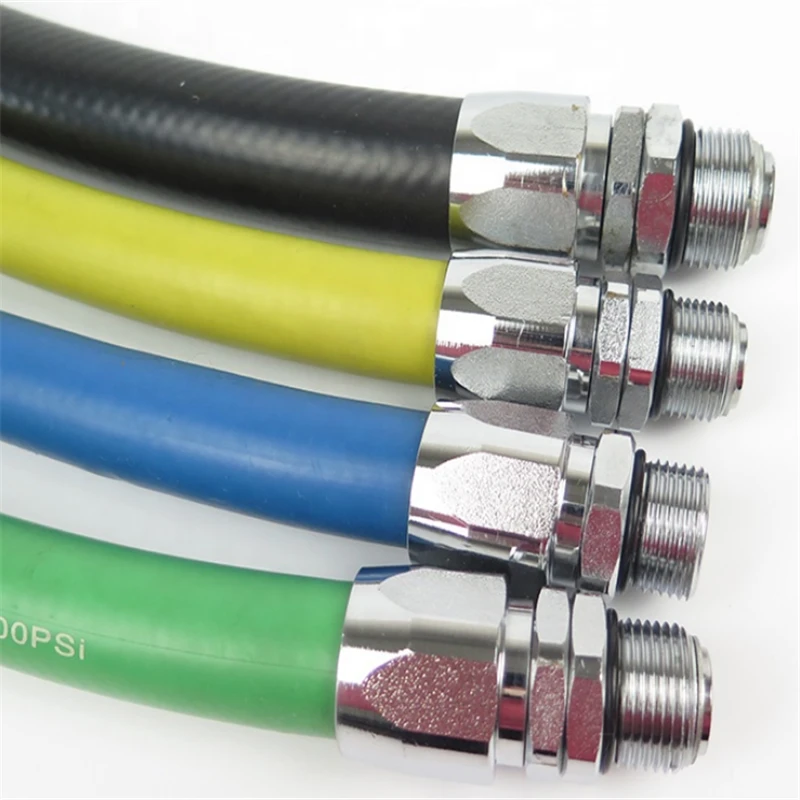
The core material of a hydraulic rubber hose is typically a synthetic rubber compound, with nitrile rubber (NBR) being the most common due to its excellent resistance to petroleum-based hydraulic fluids. Other materials include ethylene propylene diene monomer (EPDM) for phosphate ester fluids, and fluorocarbon (FKM/Viton) for high-temperature and aggressive fluid applications. Reinforcement layers are crucial for withstanding high pressures. These layers typically consist of multiple plies of high-tensile steel wire, spirally wound or braided, impacting burst pressure capabilities. The cover layer, usually a synthetic rubber blend, provides abrasion and weather resistance. Manufacturing begins with rubber compounding, where raw rubber is mixed with reinforcing fillers (carbon black, silica), plasticizers, antioxidants, and curing agents. This is followed by hose extrusion, where the inner tube is formed. Reinforcement layers are then applied, often via a spiral winding process. Finally, the cover is extruded, and the hose is cured using heat and pressure in a vulcanization process. Critical parameters during manufacturing include rubber compound viscosity, wire tension, curing time, and temperature control. Inconsistent parameters lead to variations in hose wall thickness, reinforcement density, and ultimately, reduced performance and lifespan. Chemical compatibility between the hose material and the hydraulic fluid is paramount to prevent swelling, degradation, and leakage. Proper pre-treatment of steel wire to improve adhesion with rubber is also a significant quality control step.
Performance & Engineering
Hydraulic hose performance is dictated by several critical engineering parameters. Burst pressure, defined as the pressure at which the hose fails, is a primary design criterion and is directly related to reinforcement layer construction and material strength. Working pressure is significantly lower, typically 75% of the burst pressure, providing a safety factor. Temperature range is also critical; exposure to extreme temperatures can compromise rubber elasticity and reduce burst pressure. Hose deflection, or bend radius, impacts the hose’s ability to withstand pressure without kinking or collapsing. Force analysis during hose routing is crucial to avoid excessive bending stresses. Environmental resistance, particularly to ozone, UV radiation, and chemical exposure, is important for outdoor applications. Compliance requirements vary by region and industry. SAE J517 specifies performance requirements for hydraulic hose, covering pressure ratings, temperature limits, and testing procedures. EN 856 is the European standard with similar requirements. Proper hose assembly with compatible fittings is essential. Fittings must be rated to match or exceed the hose’s working pressure and must be securely crimped or swaged onto the hose to ensure a leak-proof connection. Failure to use proper assembly techniques can significantly reduce hose life and create safety risks. Fatigue life, the number of pressure cycles the hose can withstand before failure, is a critical metric for applications involving repetitive operation.
Technical Specifications
| Parameter | Unit | SAE J517 Grade R1AT | EN 856 4SH |
|---|---|---|---|
| Working Pressure | MPa | 31.5 | 31.5 |
| Burst Pressure | MPa | 105 | 105 |
| Temperature Range | °C | -40 to +100 | -40 to +100 |
| Inner Tube | Material | NBR | NBR |
| Reinforcement | Layers | 4 Spiral Wire | 4 Spiral Wire |
| Cover | Material | Synthetic Rubber | Synthetic Rubber |
Failure Mode & Maintenance
Common failure modes in hydraulic rubber hose include burst failure due to exceeding pressure limits, pinhole leaks resulting from abrasion or chemical attack, and separation of reinforcement layers due to fatigue or improper bonding. Hose degradation can occur through oxidation, ozone cracking, and exposure to ultraviolet radiation, leading to reduced elasticity and eventual failure. Internal abrasion from particulate contamination in the hydraulic fluid can erode the inner tube, causing leaks. Kinking and twisting can damage the reinforcement layers and reduce burst pressure. Failure analysis often involves microscopic examination of the fractured hose to identify the root cause. Maintenance strategies include regular visual inspections for signs of damage (cracks, abrasions, leaks), proper hose routing to avoid excessive bending and abrasion, and regular fluid filtration to remove contaminants. Hose replacement should be scheduled based on manufacturer recommendations or after observing any signs of deterioration. Using protective sleeves or guards in high-wear areas can extend hose life. Proper storage of hoses in a cool, dry, and dark environment is crucial to prevent degradation. When replacing a hose, it’s essential to use compatible fittings and ensure proper crimping or swaging to prevent leaks and failures. Preventative maintenance programs and detailed record-keeping are essential for optimizing hose lifespan and preventing costly downtime.
Industry FAQ
Q: What is the impact of fluid incompatibility on hydraulic hose life?
A: Fluid incompatibility can cause significant degradation of the inner tube material, leading to swelling, softening, and ultimately, leaks or burst failure. Different hydraulic fluids require different hose materials; for example, phosphate ester fluids require EPDM hoses, while petroleum-based fluids are typically compatible with NBR. Using the wrong hose material can drastically shorten its lifespan and compromise system performance.
Q: How does temperature affect the performance of hydraulic hoses?
A: Both high and low temperatures can negatively impact hose performance. High temperatures can reduce the rubber’s elasticity and lower the burst pressure, while low temperatures can make the rubber brittle and more susceptible to cracking. Maintaining hydraulic fluid within its recommended operating temperature range is critical for maximizing hose life.
Q: What are the key considerations when selecting a hose for a high-pressure application?
A: In high-pressure applications, selecting a hose with a sufficient working pressure rating and burst pressure is paramount. The number and type of reinforcement layers (spiral wire or braided) are critical factors. The hose must also be compatible with the hydraulic fluid and operating temperature. Proper fitting selection and assembly are equally important to ensure a leak-proof and reliable connection.
Q: How can I prevent premature hose failure due to abrasion?
A: Abrasion can be prevented by proper hose routing to avoid contact with abrasive surfaces, using protective sleeves or guards in high-wear areas, and ensuring the hose is not subjected to excessive bending or twisting. Regular visual inspections can also help identify potential abrasion points before they lead to failure.
Q: What is the importance of proper hose assembly and crimping?
A: Proper hose assembly and crimping are crucial for ensuring a leak-proof and reliable connection between the hose and fittings. Incorrect crimping can lead to slippage, leaks, or even hose rupture. Using certified crimping tools and following manufacturer’s specifications are essential for achieving a secure and long-lasting assembly.
Conclusion
Hydraulic rubber hose plays a vital role in the efficient and safe operation of fluid power systems. Understanding the underlying material science, manufacturing processes, and performance characteristics is essential for selecting the right hose for a given application and maximizing its lifespan. Addressing industry pain points through proper material selection, stringent quality control, and proactive maintenance practices are critical for minimizing downtime and ensuring system reliability.
Continuous advancements in rubber compound technology and hose construction methods are driving improvements in pressure capacity, temperature resistance, and durability. Adherence to relevant industry standards, such as SAE J517 and EN 856, is crucial for ensuring product safety and performance. Implementing comprehensive hose management programs, including regular inspections, preventative maintenance, and detailed record-keeping, will significantly contribute to long-term cost savings and operational efficiency.