
Apr . 01, 2024 17:55 Back to list
hydraulic rubber hose Performance Analysis
Introduction
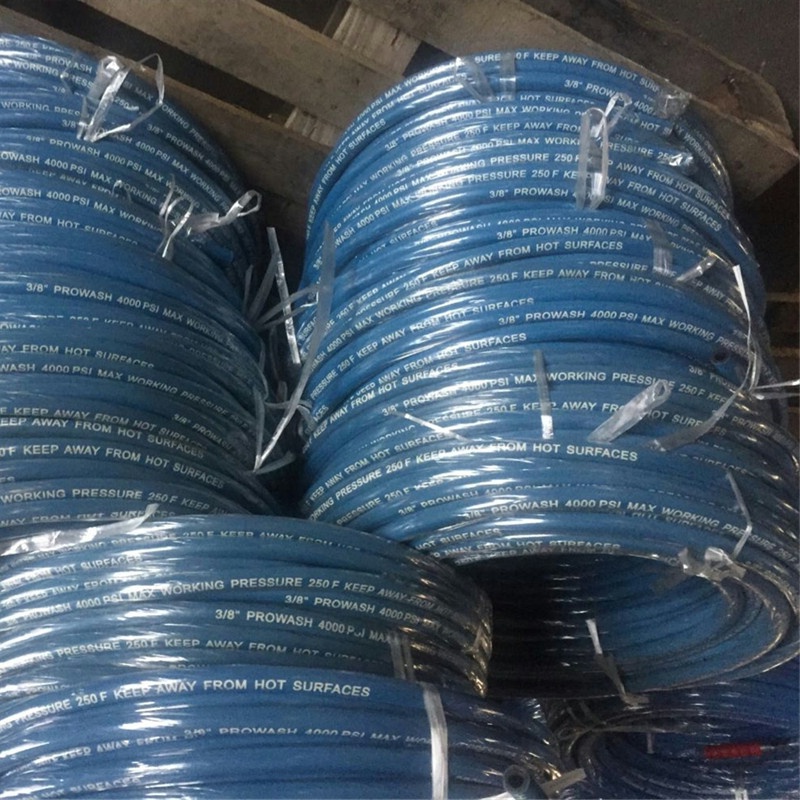
Hydraulic rubber hose is a critical component in hydraulic systems, facilitating the transmission of fluid power. Positioned within the fluid power transmission chain, these hoses connect pumps, valves, cylinders, and other actuators, enabling the operation of machinery across diverse industries including construction, agriculture, manufacturing, and aerospace. Core performance characteristics encompass pressure capability, temperature resistance, fluid compatibility, and impulse performance. The industry currently faces challenges related to increasing operating pressures, demanding environmental conditions, and a need for extended service life, leading to advancements in hose construction materials and manufacturing techniques. Failure in hydraulic hose systems can result in significant downtime, safety hazards, and costly repairs, highlighting the importance of selecting and maintaining hoses appropriate for the application.
Material Science & Manufacturing
The core material for hydraulic rubber hose is a synthetic rubber compound, typically based on nitrile rubber (NBR), ethylene propylene diene monomer (EPDM), or chloroprene rubber (CR), chosen for their specific properties. NBR offers excellent resistance to petroleum-based fluids, EPDM excels in high-temperature and weathering applications, and CR provides good abrasion and ozone resistance. Reinforcement layers, crucial for pressure containment, are constructed from high-tensile strength materials such as multiple layers of spiral-wound steel wire, textile braids (typically polyester or aramid fibers), or a combination of both. The steel wire provides high pressure capability, while textile braids offer flexibility. Manufacturing involves several key steps: inner tube extrusion, reinforcement layer application (winding or braiding), outer cover extrusion, and final curing. Extrusion parameters – temperature, screw speed, die design – are critical to ensure uniform wall thickness and material consistency. Winding tension and braid angle directly impact burst pressure and flexibility. Curing, typically using steam or hot air, vulcanizes the rubber, establishing its final physical and chemical properties. Critical control parameters during curing include temperature uniformity, time, and pressure. Post-curing inspection includes dimensional checks, pressure testing, and visual defect analysis to ensure conformance to specifications.
Performance & Engineering
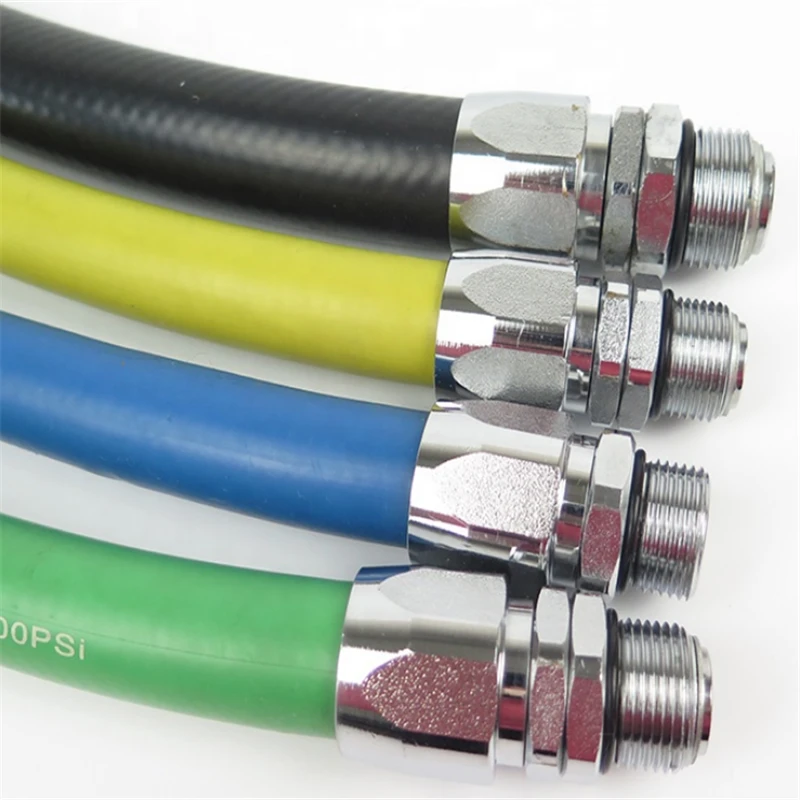
Hydraulic hose performance is governed by several engineering principles. Burst pressure, the maximum pressure the hose can withstand before failure, is determined by reinforcement layer strength and hose diameter. Fatigue resistance, the hose’s ability to withstand repeated pressure cycles, is crucial in dynamic applications. Impulse performance, the ability to handle pressure fluctuations or spikes, is heavily influenced by hose construction and fluid properties. Force analysis involves calculating hoop stress within the hose wall under pressure, considering the material’s tensile strength and elongation. Environmental resistance demands consideration of temperature extremes, exposure to UV radiation, ozone, and chemical fluids. Compliance requirements, such as those outlined by SAE J517 and EN 853, dictate minimum performance standards and testing procedures. Functional implementation demands careful selection of hose materials compatible with the hydraulic fluid, ensuring no swelling, degradation, or leaching occurs. Fitting selection is paramount; incorrect fittings can create leak paths or induce stress concentrations, leading to premature failure. Proper hose routing, avoiding sharp bends and abrasion points, is also vital for extended service life. Flexing radius is a critical parameter to avoid kinking and fatigue failures.
Technical Specifications
| Parameter | Unit | SAE 100R1 | SAE 100R2 |
|---|---|---|---|
| Working Pressure | MPa | 20.7 | 34.5 |
| Burst Pressure | MPa | 82.7 | 138 |
| Temperature Range | °C | -40 to +100 | -40 to +121 |
| Reinforcement | - | Single Textile Braid | Double Steel Wire Spiral |
| Inner Tube | - | NBR (Nitrile Rubber) | NBR (Nitrile Rubber) |
| Outer Cover | - | CRM (Chloroprene Rubber) | CRM (Chloroprene Rubber) |
Failure Mode & Maintenance
Common failure modes in hydraulic rubber hose include burst failure due to exceeding pressure limits, fatigue cracking from repeated flexing, abrasion damage from external contact, and degradation from chemical exposure or temperature extremes. Failure analysis often reveals root causes such as improper installation (kinking, twisting), incorrect fluid compatibility, or inadequate maintenance. Fatigue cracking typically initiates at the inner tube surface and propagates through the reinforcement layers. Delamination can occur between the rubber and reinforcement layers due to inadequate bonding. Oxidation leads to rubber hardening and cracking, particularly in EPDM hoses exposed to UV radiation and ozone. Maintenance involves regular visual inspections for cuts, abrasions, bulging, and leaks. Hose should be replaced if any damage is detected. Pressure testing should be performed periodically to verify hose integrity. Proper storage – protected from sunlight, ozone, and extreme temperatures – is crucial to prevent premature degradation. Flush the hydraulic system regularly to remove contaminants that can accelerate hose wear. Documenting hose replacement dates and operating conditions can aid in identifying recurring failure patterns and optimizing hose selection for specific applications. Implement a preventative maintenance schedule following manufacturer recommendations.
Industry FAQ
Q: What is the impact of hydraulic fluid type on hose selection?
A: Hydraulic fluid compatibility is paramount. Petroleum-based fluids generally require NBR inner tubes, while phosphate ester fluids necessitate EPDM. Incorrect fluid can cause swelling, degradation, and premature failure. Viscosity and temperature also influence hose selection. Higher viscosity fluids may require larger hose diameters to reduce pressure drop.
Q: How do I determine the appropriate working pressure for my application?
A: Select a hose with a working pressure rating at least four times the maximum system operating pressure. Consider pressure spikes and surges that may occur during operation. Always factor in a safety margin to account for variations in manufacturing and operating conditions.
Q: What are the key considerations for hose routing to prevent failures?
A: Avoid sharp bends (minimum bend radius specified by manufacturer), abrasion points (shield hoses where necessary), and direct exposure to heat sources. Ensure adequate clearance between the hose and moving parts. Securely support the hose at regular intervals to prevent sagging and stress concentration.
Q: What is the difference between single-wire and double-wire reinforced hose, and when should each be used?
A: Single-wire reinforced hose is suitable for moderate pressure applications, offering good flexibility. Double-wire reinforced hose provides significantly higher pressure capability and is used in demanding applications like heavy machinery and off-highway equipment. Double-wire hoses are less flexible than single-wire designs.
Q: How often should hydraulic hoses be inspected and replaced?
A: Regular visual inspections should be conducted at least monthly, or more frequently in harsh operating environments. Hoses should be replaced immediately if any damage is detected. A preventative replacement schedule based on operating hours or calendar time should also be implemented, typically every 3-5 years depending on the application and hose type.
Conclusion
Hydraulic rubber hose represents a vital, yet often underestimated, component within fluid power systems. Selecting the appropriate hose demands a thorough understanding of material science, manufacturing processes, and performance characteristics. Failure to consider these factors can lead to costly downtime, safety hazards, and reduced equipment lifespan. The ongoing evolution of materials and manufacturing techniques continues to drive improvements in hose performance and durability, addressing the challenges presented by increasingly demanding applications.
Future advancements are likely to focus on developing hoses with enhanced resistance to extreme temperatures, aggressive fluids, and abrasive environments. Smart hose technologies, incorporating sensors for real-time pressure and temperature monitoring, could enable predictive maintenance and proactive failure prevention. Adherence to industry standards and best practices in installation and maintenance remains crucial for maximizing hose service life and ensuring the safe and reliable operation of hydraulic systems.