
Apr . 01, 2024 17:55 Back to list
hydraulic rubber hose manufacturers Performance Analysis
Introduction
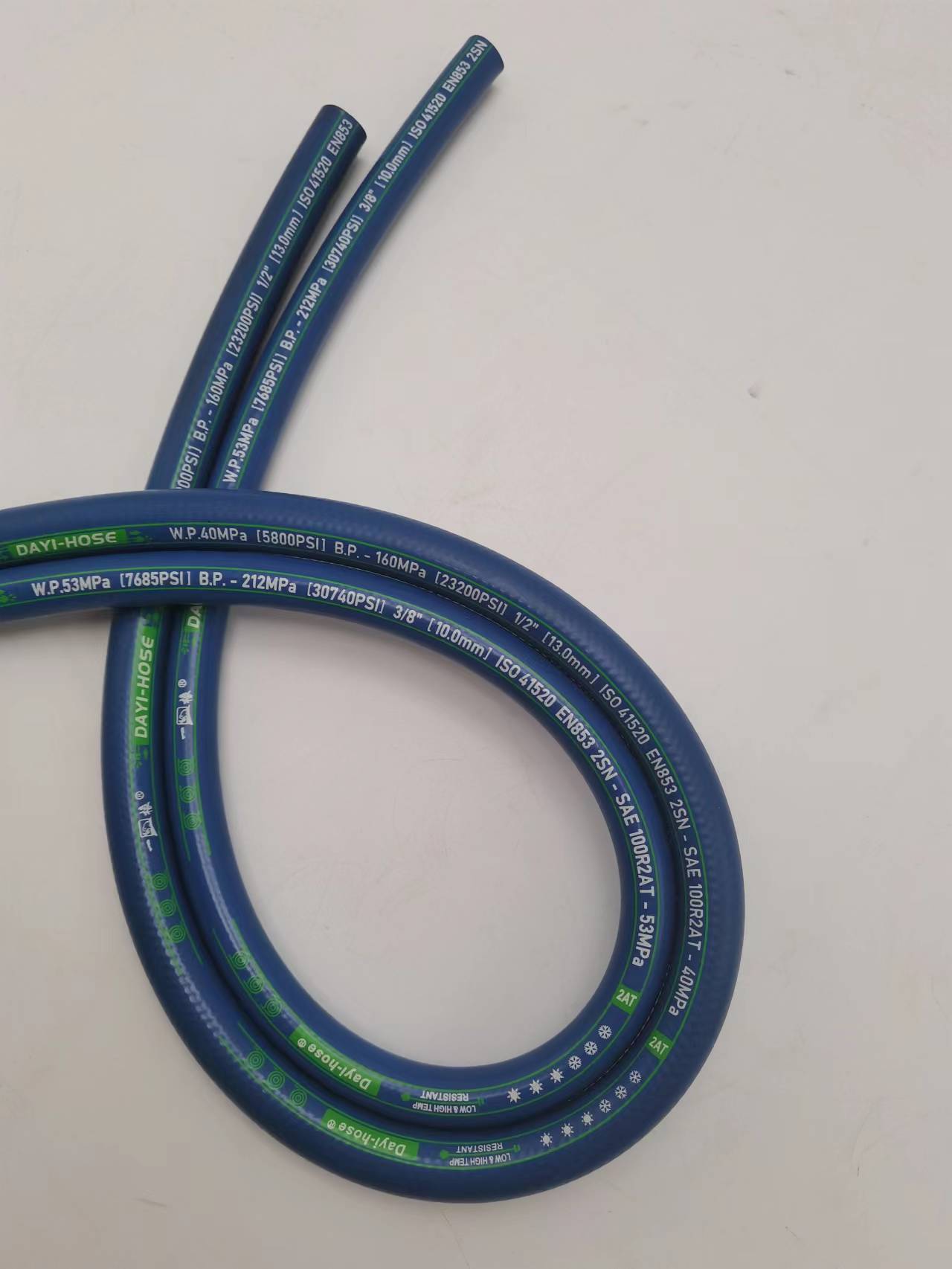
Hydraulic rubber hoses are a critical component in fluid power systems, transmitting pressurized hydraulic fluid to actuators and other components. They represent a specialized subset of industrial hoses, distinguished by their reinforced construction designed to withstand high pressures, varying temperatures, and the potential for dynamic flexing. This guide provides an in-depth technical overview of hydraulic rubber hoses, covering material science, manufacturing processes, performance characteristics, failure modes, and relevant industry standards. The primary application spans across heavy equipment (construction, agriculture, mining), manufacturing machinery, aerospace systems, and automotive applications. A key pain point for users is selecting the correct hose for a specific application, balancing pressure requirements, fluid compatibility, temperature ranges, and service life expectations. Premature hose failure can lead to costly downtime, safety hazards, and environmental concerns, making a thorough understanding of hose technology essential.
Material Science & Manufacturing
Hydraulic hose construction typically involves four key layers: the inner tube, reinforcement layers, and the outer cover. The inner tube is commonly made of synthetic rubbers such as nitrile (NBR), chloroprene (CR), ethylene propylene diene monomer (EPDM), and fluorocarbon (FKM, Viton). NBR offers excellent resistance to petroleum-based fluids, CR provides good abrasion and weather resistance, EPDM excels in heat and ozone resistance, and FKM delivers superior chemical resistance and high-temperature performance. The selection of the inner tube material is dictated by the hydraulic fluid being used and the operating temperature. Reinforcement layers provide the necessary strength to withstand high pressures. These layers usually consist of one or more braids or spirals of high-tensile steel wire. The number of layers and the wire diameter directly impact the hose’s working pressure capacity. Some hoses also incorporate textile reinforcement layers (e.g., polyester or aramid fibers) for improved flexibility and burst strength. The outer cover is typically composed of synthetic rubbers like CR or polyurethane (PU), offering protection against abrasion, ozone, weathering, and oil contamination. Manufacturing processes vary depending on hose type. Braided hoses are manufactured by spiraling steel wire over a mandrel while simultaneously extruding the inner and outer rubber layers. Spiral hoses utilize a single, continuously wound high-tensile wire, creating a very high-pressure capacity hose. Key parameters controlled during manufacturing include rubber compound formulation, wire tension during braiding/winding, curing temperature and time, and dimensional accuracy. Proper vulcanization is crucial to achieve the desired physical and mechanical properties of the rubber compounds.
Performance & Engineering
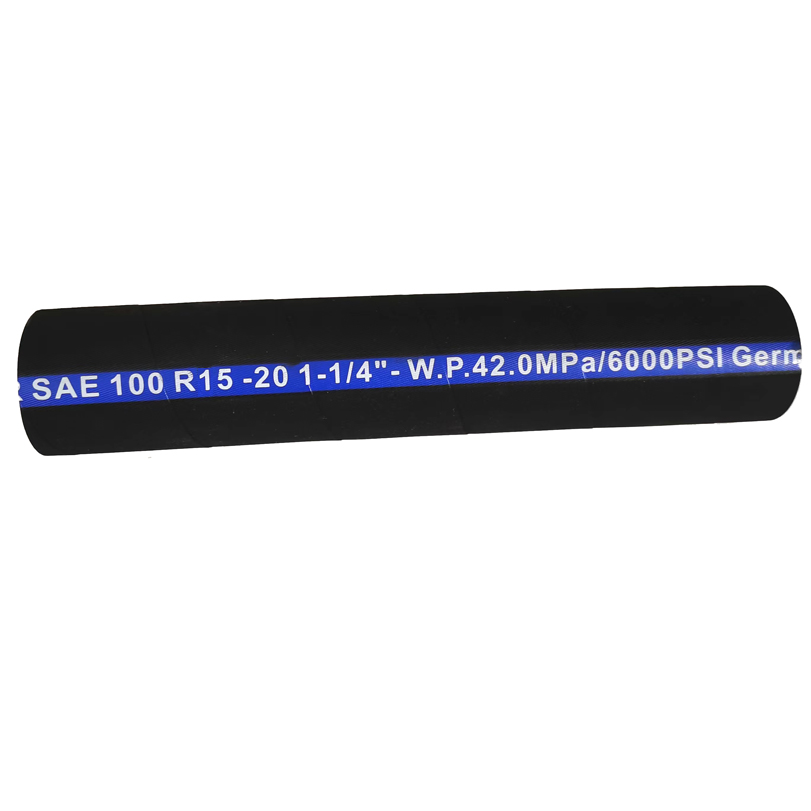
Hydraulic hose performance is evaluated based on several critical parameters. Burst pressure, defined as the pressure at which the hose fails catastrophically, is a fundamental metric. Working pressure is a fraction (typically 75%) of the burst pressure, representing the maximum recommended operating pressure. Hose flexibility (bend radius) is crucial for installation in confined spaces and preventing kinking. Fatigue resistance, measured by the number of pressure cycles the hose can withstand before failure, is vital for dynamic applications. Environmental resistance encompasses factors like temperature range, ozone exposure, and fluid compatibility. Force analysis under pressure considers hoop stress (circumferential stress) and longitudinal stress within the hose walls. Finite element analysis (FEA) is often used to optimize hose design and predict stress distribution. Compliance requirements include adherence to industry standards (SAE, DIN, EN), which dictate testing procedures and performance criteria. The selection of fittings is as important as the hose itself. Fittings must be compatible with the hose material and provide a leak-proof connection. Common fitting types include crimped fittings, field-attachable fittings, and swaged fittings. Proper crimping is essential to ensure the fitting is securely attached to the hose without damaging the reinforcement layers. Consideration must also be given to the hose's potential for thermal expansion and contraction, especially in high-temperature applications.
Technical Specifications
| Parameter | SAE 100R1AT | SAE 100R2AT | DIN EN 853 1SN | DIN EN 857 1ST |
|---|---|---|---|---|
| Working Pressure (PSI) | 600 | 1200 | 400 | 800 |
| Burst Pressure (PSI) | 2400 | 4800 | 1600 | 3200 |
| Temperature Range (°F) | -40 to 212 | -40 to 212 | -40 to 212 | -40 to 212 |
| Inner Tube Material | NBR | NBR | NBR | NBR |
| Reinforcement | 1 Wire Braid | 2 Wire Braids | 1 Steel Wire Spiral | 2 Steel Wire Spirals |
| Outer Cover Material | CR | CR | CR | CR |
Failure Mode & Maintenance
Hydraulic hose failure can occur due to several mechanisms. Pinholes in the inner tube can result from chemical degradation or abrasion from fluid contaminants. Reinforcement layer failure can occur from fatigue cracking due to repeated bending and pressure cycling, or from corrosion if the wire is exposed to moisture. Cover degradation can arise from ozone cracking, UV exposure, or abrasion. Kinking causes localized stress concentrations, leading to premature failure. External damage (cuts, abrasions) can compromise the hose's integrity. Failure analysis often involves visual inspection, microscopic examination of the fracture surface, and chemical analysis of the rubber compounds. Preventive maintenance is crucial. Regular visual inspections should be conducted to identify signs of damage, such as cracks, bulges, or leaks. Hose routing should be designed to minimize bending and abrasion. Proper hose support is essential to prevent sagging and kinking. Fluid contamination should be minimized through the use of filters and regular fluid changes. When replacing hoses, it’s critical to use the correct hose type and fittings for the application. Crimping should be performed by qualified personnel using calibrated crimping equipment. Avoid twisting the hose during installation. A well-documented hose management program can significantly extend hose life and reduce the risk of failures.
Industry FAQ
Q: What is the difference between SAE 100R1AT and SAE 100R2AT hoses, and when would I choose one over the other?
A: SAE 100R1AT hoses have a single wire braid reinforcement and are suitable for moderate pressure applications (up to 600 PSI). SAE 100R2AT hoses have two wire braids, offering significantly higher pressure capacity (up to 1200 PSI) and improved fatigue resistance. Choose 100R2AT when operating pressures exceed 600 PSI, or when the application involves frequent flexing and vibration.
Q: How does temperature affect hydraulic hose performance?
A: Temperature extremes can significantly impact hose life. High temperatures accelerate rubber degradation, reducing the hose's flexibility and pressure capacity. Low temperatures can cause the rubber to become brittle, increasing the risk of cracking. Always select a hose rated for the operating temperature range of the application.
Q: What is the importance of proper crimping?
A: Proper crimping is critical for creating a secure and leak-proof connection between the hose and the fitting. Under-crimping can lead to leakage, while over-crimping can damage the hose reinforcement, reducing its pressure capacity. Crimping should be performed by trained technicians using calibrated crimping equipment.
Q: What are the common causes of hose kinking and how can it be prevented?
A: Kinking occurs when the hose is bent beyond its minimum bend radius, causing internal damage and restricting fluid flow. It can be prevented by ensuring adequate hose routing, providing sufficient support to prevent sagging, and selecting a hose with a smaller bend radius if space is limited.
Q: How do I determine the correct fluid compatibility for a hydraulic hose?
A: Fluid compatibility is crucial to prevent the inner tube from swelling, softening, or degrading. Refer to the hose manufacturer’s compatibility chart to ensure the inner tube material is compatible with the hydraulic fluid being used. Incompatibility can lead to hose failure and system contamination.
Conclusion
Hydraulic rubber hose selection and maintenance are paramount to ensuring the reliable and safe operation of hydraulic systems. Understanding the interplay between material science, manufacturing processes, performance parameters, and potential failure modes is crucial for engineers and procurement professionals. The correct hose, properly installed and maintained, will contribute significantly to minimizing downtime, reducing operating costs, and extending the life of hydraulic equipment.
Moving forward, advancements in hose technology will likely focus on developing more durable materials, improved reinforcement designs, and intelligent hose monitoring systems. Proactive hose management programs, incorporating regular inspections and data analysis, will become increasingly important in preventing failures and optimizing performance. Continued adherence to industry standards and best practices will be essential for maintaining the integrity of hydraulic systems.