
Apr . 01, 2024 17:55 Back to list
hydraulic rubber hose manufacturer Performance Analysis
Introduction
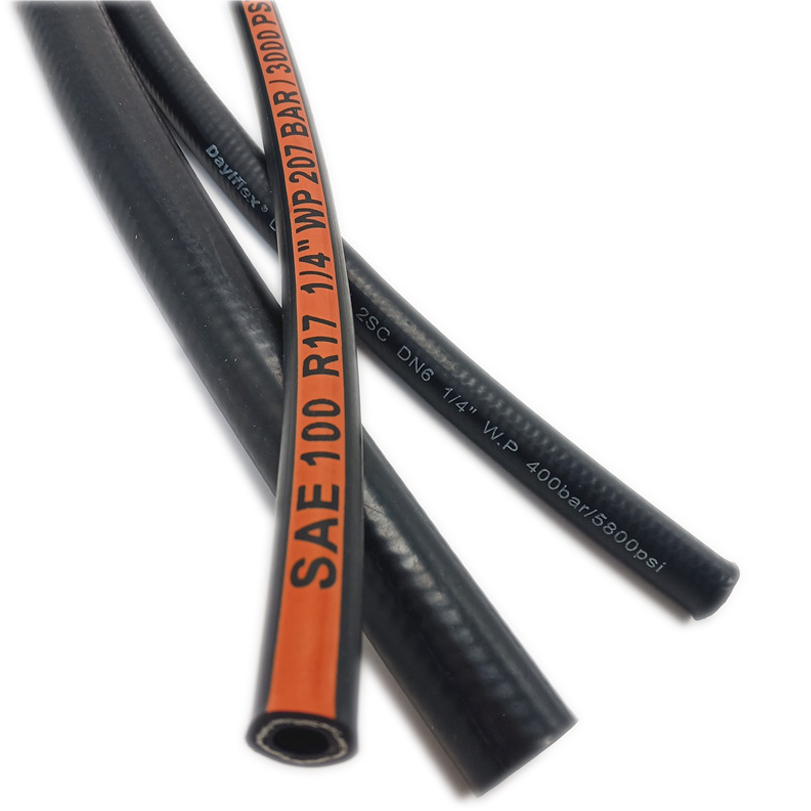
Hydraulic rubber hose is a critical component in fluid power systems, responsible for transmitting hydraulic fluid under pressure to operate machinery across diverse industries including construction, agriculture, manufacturing, and automotive. Positioned within the hydraulic system between the pump and actuators (cylinders, motors, etc.), its performance directly impacts system efficiency, reliability, and safety. These hoses are engineered to withstand high pressures, varying temperatures, and exposure to hydraulic fluids, often containing petroleum-based oils and synthetic additives. Key performance characteristics include burst pressure, working pressure, temperature range, and fluid compatibility. The industry faces ongoing challenges related to increasing pressures in modern hydraulic systems, the demand for lighter weight hoses, and compliance with increasingly stringent environmental regulations concerning fluid containment and material composition. This guide provides an in-depth technical overview of hydraulic rubber hose, covering material science, manufacturing processes, performance parameters, failure modes, and relevant industry standards.
Material Science & Manufacturing
The core construction of a hydraulic rubber hose typically involves several layers, each contributing to its overall performance. The innermost layer, the tube, is constructed from a synthetic rubber compound designed for compatibility with the hydraulic fluid being used. Common materials include Nitrile Rubber (NBR) for petroleum-based fluids, Ethylene Propylene Diene Monomer (EPDM) for phosphate ester fluids, and Fluorocarbon (FKM) – often Viton® – for high-temperature and aggressive fluid applications. The choice of rubber compound is critical, as incompatibility can lead to swelling, degradation, and ultimately, hose failure. Reinforcement layers provide the hose's strength to withstand high pressures. These layers are commonly constructed from high-tensile steel wire, spirally wound or braided. The number of layers and the wire gauge directly influence the hose’s burst pressure. A protective outer cover, typically made from Chloroprene (CR) or polyurethane, shields the reinforcement layers from abrasion, weathering, ozone, and chemical attack.
Manufacturing processes vary depending on hose type and complexity. The tube is typically extruded through a die to create a seamless inner liner. Reinforcement layers are applied using a winding or braiding machine, ensuring consistent coverage and tension. The cover is then extruded over the reinforcement layers. Vulcanization, a critical process involving heat and pressure, chemically crosslinks the rubber compounds, enhancing their strength, elasticity, and resistance to degradation. Parameter control during vulcanization is paramount; precise temperature and time control are essential to achieve optimal material properties. Improper vulcanization can result in under-cured rubber with poor mechanical strength or over-cured rubber that becomes brittle. Post-vulcanization processes include dimensional inspection, pressure testing to verify burst pressure, and leak testing to ensure fluid containment. Skiving, a process of removing a portion of the cover at the hose ends, facilitates proper fitting assembly and prevents extrusion during installation.

Performance & Engineering
The performance of a hydraulic rubber hose is dictated by several key engineering considerations. Burst pressure, typically specified in PSI or bar, represents the maximum pressure the hose can withstand before failure. Working pressure is significantly lower, usually a fraction (safety factor) of the burst pressure, and represents the maximum continuous operating pressure. Temperature range is another crucial factor, as extreme temperatures can affect rubber elasticity and fluid viscosity. Hydraulic hoses must maintain flexibility and pressure containment across their specified temperature range. Fluid compatibility is paramount; the hose material must resist swelling, degradation, and chemical attack from the hydraulic fluid.
Force analysis is critical in hose design. Internal pressure generates hoop stress in the hose wall, which is resisted by the reinforcement layers. External bending and axial movement create additional stresses. Hose assemblies, including fittings, are subjected to bending radii limitations to prevent kinking and subsequent failure. Compliance requirements, such as those dictated by SAE J517 (for hydraulic hose), specify performance criteria and testing procedures. Fatigue resistance is also crucial; repeated pressure cycles and flexing can lead to fatigue cracking. Proper hose routing, minimizing sharp bends and excessive axial movement, is essential for maximizing service life. Consideration must also be given to the fitting connection method (crimped, field-attachable, etc.) and its impact on the overall assembly’s performance.
Technical Specifications
| Parameter | Unit | Standard SAE J517 100 R2AT | Standard SAE J517 100 R1AT |
|---|---|---|---|
| Working Pressure | PSI | 2000 | 1500 |
| Burst Pressure | PSI | 8000 | 6000 |
| Temperature Range | °F | -40 to +212 | -40 to +180 |
| Tube Material | - | Synthetic Rubber (NBR) | Synthetic Rubber (NBR) |
| Reinforcement | Layers | Two Steel Wire Braid | One Steel Wire Braid |
| Cover Material | - | Synthetic Rubber (CR) | Synthetic Rubber (CR) |
Failure Mode & Maintenance
Hydraulic rubber hose is susceptible to various failure modes. Fatigue cracking, often initiated at the bend radius or fitting connection, occurs due to repeated flexing and pressure cycles. This is exacerbated by improper hose routing or exceeding the minimum bend radius. Extrusion, where the tube protrudes through the reinforcement layers, typically occurs during high-pressure operation if the hose is not properly secured or the fittings are incorrectly crimped. Abrasion damage to the cover can expose the reinforcement layers to corrosion, leading to premature failure. Chemical attack from incompatible fluids can cause swelling, softening, and degradation of the rubber compounds. Pinholes in the tube can develop due to internal corrosion or damage from contaminated fluid.
Preventive maintenance is crucial for maximizing hose life. Regular visual inspections should be conducted to identify signs of abrasion, cracking, swelling, or leaks. Hose assemblies should be inspected for proper fitting crimps and secure mounting. Fluid cleanliness is paramount; particulate contamination can accelerate wear and damage. Hoses should be replaced based on manufacturer recommendations or if any signs of damage are observed. Proper storage is also important; hoses should be stored in a cool, dry place away from direct sunlight and ozone sources. When replacing hoses, ensure the new hose is compatible with the hydraulic fluid and meets or exceeds the original specifications. Documenting hose replacement dates and operating conditions can help track performance and identify potential systemic issues.
Industry FAQ
Q: What is the impact of pulse pressure on hydraulic hose life?
A: Pulse pressure, the fluctuation in pressure during each cycle, significantly reduces hose life. The continuous expansion and contraction of the hose wall due to pressure pulses generates heat and accelerates fatigue. High-frequency, high-amplitude pulse pressures are particularly damaging. Hoses specifically designed for pulse pressure applications often incorporate features such as thicker reinforcement layers or special rubber compounds to mitigate these effects.
Q: How does temperature affect the performance of hydraulic hose?
A: Temperature extremes can significantly impact hose performance. High temperatures can reduce rubber elasticity, decrease burst pressure, and accelerate degradation. Low temperatures can cause the rubber to become brittle and reduce its flexibility. Selecting a hose with a temperature range that matches the application's operating conditions is crucial. Consider fluid viscosity changes with temperature as well; increased viscosity at low temperatures can increase pressure drop.
Q: What are the key considerations when selecting fittings for hydraulic hose?
A: Fitting selection is critical for ensuring a leak-free and reliable connection. The fitting material must be compatible with both the hose and the hydraulic fluid. The fitting type (crimped, field-attachable, etc.) should be chosen based on the application's requirements and the hose's construction. Proper crimp specifications are essential for achieving a secure and durable connection. Using the correct die set during crimping is paramount.
Q: How can I determine the appropriate safety factor for hydraulic hose selection?
A: The safety factor is the ratio of burst pressure to working pressure. A common safety factor is 4:1, but this can vary depending on the application’s severity and the potential consequences of failure. Applications involving critical machinery or hazardous environments typically require higher safety factors. Consulting with a hydraulic system engineer is recommended to determine the appropriate safety factor.
Q: What is the role of hose guarding in preventing hydraulic hose failures?
A: Hose guarding provides physical protection against abrasion, cuts, and impact damage. It also helps contain fluid in the event of a hose rupture, preventing injuries and environmental contamination. Hose guards come in various forms, including sleeves, wraps, and clamps. Selecting a guard that is compatible with the hose's size and operating environment is crucial.
Conclusion
Hydraulic rubber hose remains a vital, albeit often underestimated, component in countless industrial applications. Its performance is intimately linked to material science, precise manufacturing controls, and a thorough understanding of operating conditions. Proper hose selection, installation, and maintenance are not merely best practices, but rather essential safeguards against costly downtime, safety hazards, and environmental damage. The ongoing evolution of hydraulic systems, with their increasing pressures and demanding requirements, necessitates continuous advancements in hose technology and a commitment to rigorous quality control.
Looking ahead, innovations in material science, such as the development of more durable and chemically resistant rubber compounds, will play a key role in extending hose life and improving performance. Smart hose technologies, incorporating sensors to monitor pressure, temperature, and wear, are also emerging, enabling predictive maintenance and minimizing unplanned downtime. Continued adherence to industry standards and best practices remains paramount for ensuring the reliability and safety of hydraulic systems globally.