
Apr . 01, 2024 17:55 Back to list
hydraulic rubber hose factories Performance Analysis
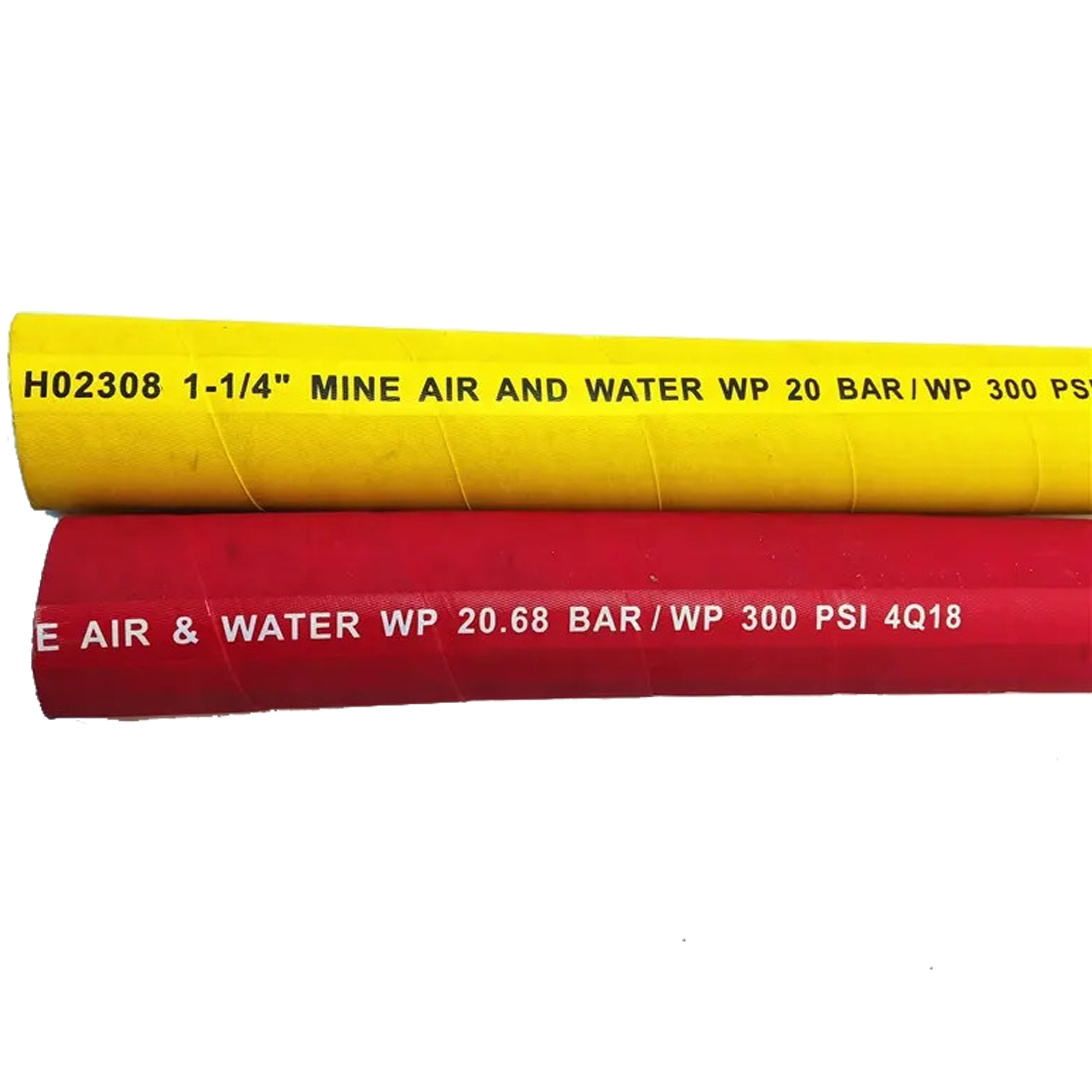
Introduction
Hydraulic rubber hoses are critical components in fluid power systems, facilitating the transmission of hydraulic fluid to actuators and other components. They represent a significant segment within the broader industrial hose market, demanding stringent performance characteristics due to the high pressures and potentially hazardous fluids they convey. This guide provides a comprehensive technical overview of hydraulic rubber hose technology, covering material science, manufacturing processes, performance parameters, failure modes, and relevant industry standards. The industry currently faces challenges related to increasing operating pressures, demand for longer service life, and the need for compatibility with evolving hydraulic fluids, particularly environmentally friendly alternatives. This guide aims to address these key pain points, offering a deep dive into the engineering principles governing hydraulic hose functionality.
Material Science & Manufacturing
Hydraulic hose construction typically involves multiple layers, each serving a specific purpose. The inner tube, in direct contact with the hydraulic fluid, is commonly composed of oil-resistant elastomers like nitrile rubber (NBR), ethylene propylene diene monomer (EPDM), or fluorocarbon rubber (FKM – Viton). NBR provides good resistance to petroleum-based fluids but has limitations at elevated temperatures. EPDM excels in phosphate ester fluid compatibility and offers excellent heat and ozone resistance. FKM offers superior resistance to a wide range of fluids, including aggressive chemicals and high temperatures, but is considerably more expensive. The reinforcement layer, critical for pressure containment, is typically braided or spiraled from high-tensile steel wire. The number of braids or the pitch of the spiral significantly impacts the hose’s working pressure. A protective outer cover, often made of synthetic rubber like polyurethane or chlorinated polyethylene (CPE), provides abrasion, ozone, and weathering resistance. Manufacturing processes vary depending on hose type. Braided hoses are produced using specialized braiding machines where individual wires are interwoven around a mandrel supporting the inner tube. Spiral-wound hoses utilize a continuous strip of high-tensile wire wound at a precise angle around the inner tube. Post-processing includes curing (vulcanization) to crosslink the elastomers, enhancing their strength and resilience. Critical parameter control during manufacturing includes precise wire tension during braiding/winding, consistent elastomer thickness, and accurate curing temperature and time to ensure optimal material properties and long-term durability. Improper curing can lead to reversion (loss of elasticity) or incomplete crosslinking, compromising hose performance.
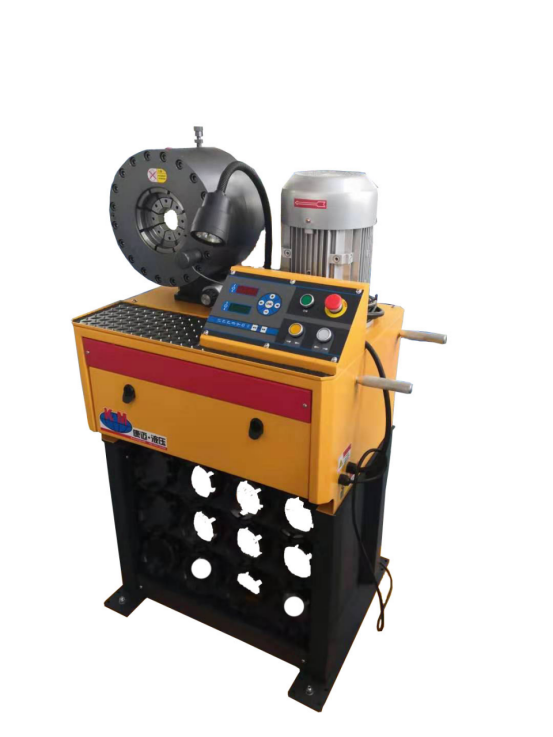
Performance & Engineering
Hydraulic hose performance is dictated by several key engineering parameters. Burst pressure, working pressure, and safety factor are paramount. Working pressure is typically rated as 50% of the burst pressure, providing a safety margin. Hose selection must consider the system's maximum operating pressure, pressure spikes, and fluid velocity. Hose bend radius is also critical; exceeding the minimum bend radius can cause kinking and hose failure. Fatigue resistance is vital in applications involving pulsating flow or vibration. Cyclic pressure testing simulates these conditions, evaluating the hose's ability to withstand repeated stress. Temperature range is another crucial factor. Exposure to extreme temperatures can degrade elastomer properties, reducing flexibility and increasing the risk of cracking. Fluid compatibility is essential; incompatible fluids can cause swelling, softening, or chemical degradation of the inner tube. Furthermore, consideration must be given to environmental factors such as UV exposure, ozone concentration, and exposure to corrosive substances. Finite Element Analysis (FEA) is increasingly used in hose design to optimize reinforcement layer configuration and predict stress distribution under various loading conditions. Compliance with industry standards (see Section 7) is non-negotiable, ensuring product safety and reliability.
Technical Specifications
| Parameter | Unit | Typical Value (NBR Inner Tube, 2 Wire Braid) | Typical Value (FKM Inner Tube, 4 Wire Braid) |
|---|---|---|---|
| Working Pressure | MPa | 20 | 35 |
| Burst Pressure | MPa | 80 | 140 |
| Inner Diameter | mm | 19 | 25 |
| Outer Diameter | mm | 31 | 42 |
| Minimum Bend Radius | mm | 150 | 200 |
| Temperature Range | °C | -40 to +100 | -20 to +200 |
Failure Mode & Maintenance
Hydraulic hose failures can manifest in several ways. Pinholing, caused by localized degradation of the inner tube, often results from fluid incompatibility or internal corrosion. Bursting is a catastrophic failure caused by exceeding the hose's pressure rating or fatigue cracking. Kinking, resulting from excessive bending, restricts fluid flow and can lead to hose rupture. Twisting, arising from improper hose routing, generates internal stresses and accelerates fatigue. Abrasion, caused by external contact with abrasive surfaces, damages the outer cover, exposing the reinforcement layer to corrosion. Fatigue cracking originates from repeated stress cycles, often initiated at points of high stress concentration (e.g., fitting crimps). Oxidation and ozone cracking degrade the elastomer material, leading to surface cracks and eventual failure. Regular inspection is crucial for preventative maintenance. This includes visual checks for cuts, abrasions, kinks, and leaks. Hose assemblies should be inspected after initial installation and periodically thereafter, depending on operating conditions. Proper hose routing, avoiding sharp bends and abrasive surfaces, is essential. Correct fitting selection and crimping procedures are critical for ensuring a secure connection. Contamination of the hydraulic fluid should be minimized through filtration. Damaged hoses should be replaced immediately; attempting repairs is generally not recommended. Maintaining a detailed hose replacement schedule and documenting inspection results can help identify potential problems and improve system reliability.
Industry FAQ
Q: What is the primary difference between a 2-wire braid hose and a 4-wire braid hose in terms of pressure capacity?
A: The primary difference lies in the reinforcement layer. A 4-wire braid hose has approximately twice the tensile strength of a 2-wire braid hose, leading to a significantly higher burst and working pressure rating. The additional wires provide greater resistance to expansion under pressure and improved fatigue life.
Q: How does the choice of inner tube material affect hose lifespan and compatibility?
A: The inner tube material directly impacts the hose’s resistance to the hydraulic fluid being conveyed. Incorrect material selection can lead to swelling, softening, cracking, and ultimately, hose failure. NBR is suitable for general petroleum-based fluids, while EPDM is preferred for phosphate ester fluids. FKM provides the broadest chemical compatibility but comes at a higher cost.
Q: What are the common causes of hose kinking and how can it be prevented?
A: Kinking occurs when the hose is bent beyond its minimum bend radius, causing the inner tube to collapse and restrict fluid flow. It can be prevented by ensuring proper hose routing, avoiding sharp bends, and selecting a hose with an appropriate bend radius for the application.
Q: What is the significance of the hose crimp and how can a faulty crimp be identified?
A: The hose crimp secures the hose ends to the fittings, creating a leak-proof seal. A faulty crimp can result in leaks, blow-offs, or hose separation. Signs of a faulty crimp include visual damage to the crimp sleeve, leaks around the fitting, or movement of the hose on the fitting.
Q: How does temperature affect hydraulic hose performance and what precautions should be taken?
A: Extreme temperatures can significantly impact hose performance. High temperatures can cause elastomer degradation and reduced flexibility, while low temperatures can lead to brittleness and cracking. Select hoses with appropriate temperature ratings for the operating environment and avoid exceeding those limits. Also, consider the fluid’s viscosity changes with temperature.
Conclusion
Hydraulic rubber hoses are integral components in countless industrial applications, requiring careful consideration of material selection, manufacturing processes, and operational parameters. Understanding the nuances of elastomer properties, reinforcement techniques, and potential failure modes is paramount for ensuring system reliability and safety. The ongoing drive for increased efficiency, extended service life, and compatibility with new fluid technologies demands continuous innovation in hydraulic hose design and manufacturing.
Proper hose maintenance, including regular inspections and adherence to recommended replacement schedules, is essential for preventing costly downtime and potential hazards. By adopting a proactive approach to hose management, operators can maximize system performance and minimize the risk of failure. Future developments will likely focus on the use of advanced materials, such as thermoplastic composites, and the implementation of smart hose technologies that provide real-time monitoring of hose condition.