
Apr . 01, 2024 17:55 Back to list
hydraulic press hose Performance Analysis
Introduction
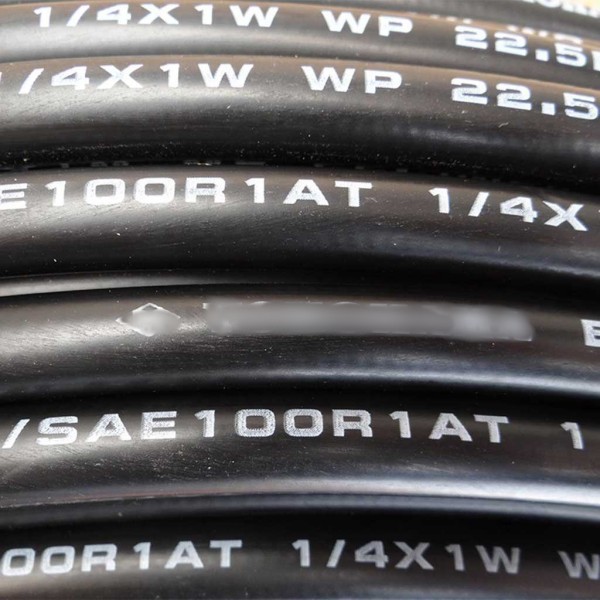
Hydraulic press hose, a critical component in hydraulic power transmission systems, facilitates the conveyance of pressurized hydraulic fluid to actuate cylinders and operate heavy machinery. Its technical position within the industrial chain lies between the hydraulic pump – generating the fluid power – and the hydraulic cylinder – converting fluid power to mechanical force. Core performance characteristics include burst pressure, working pressure, temperature range, and fluid compatibility. The reliability of these hoses directly impacts the efficiency and safety of hydraulic presses used in diverse manufacturing applications, including metal forming, plastic molding, and powder compaction. A key pain point in the industry revolves around hose longevity and consistent performance under cyclical high-pressure conditions. Premature failure leads to costly downtime, potential safety hazards, and maintenance complexities.
Material Science & Manufacturing
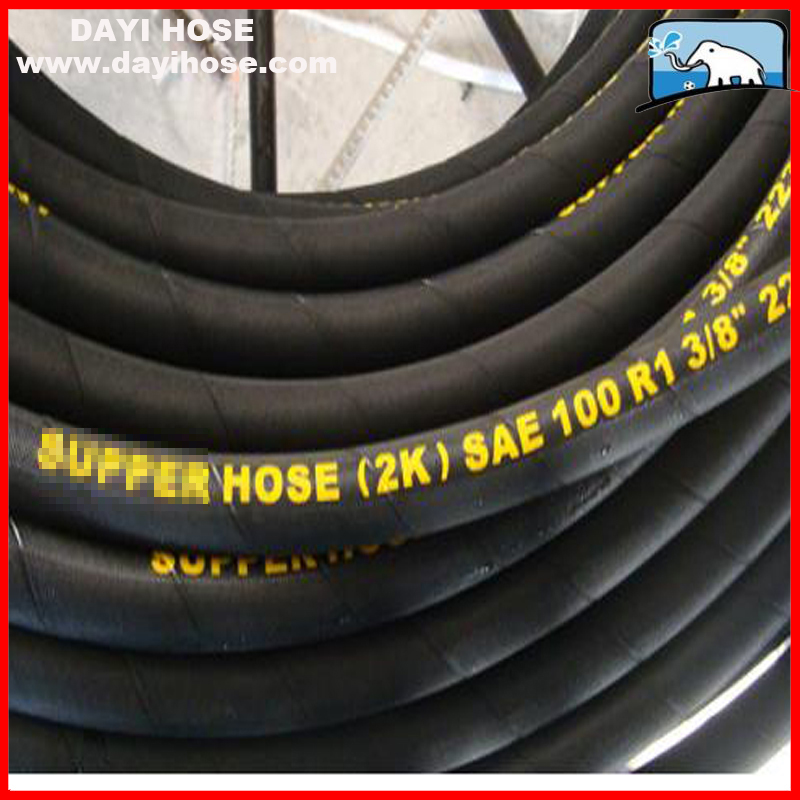
The construction of hydraulic press hose typically involves several layers, each contributing to specific performance attributes. The inner tube, in direct contact with the hydraulic fluid, is commonly composed of nitrile rubber (NBR) for mineral oil compatibility or fluoropolymer (PTFE, FKM) for compatibility with aggressive fluids such as synthetic oils and chemicals. NBR possesses good abrasion resistance and cost-effectiveness, while fluoropolymers offer superior chemical and temperature resistance. Reinforcement layers are crucial for withstanding high pressures. These layers are typically constructed from multiple spiraled or braided high-tensile steel wire. The number of layers and the wire diameter directly correlate with the hose's burst pressure rating. An exterior cover, usually made of synthetic rubber (typically SBR or CR), provides abrasion, ozone, and weathering resistance.
Manufacturing processes vary based on hose type and performance requirements. Braided hoses are produced by interlacing individual steel wires using specialized braiding machines. Spiral-wound hoses employ a continuous steel wire wound at a specific helix angle. After reinforcement, the hose undergoes curing – a vulcanization process involving heat and pressure – to crosslink the rubber compounds, enhancing their mechanical properties and chemical stability. Quality control measures include hydrostatic testing (burst pressure verification), impulse testing (cyclical pressure endurance), and dimensional checks. Key parameter control during manufacturing focuses on maintaining consistent rubber compound formulations, precise wire tension during braiding/winding, and accurate curing temperatures and times. The metallurgical properties of the steel wire (tensile strength, yield strength, ductility) are also critical, often specified according to ASTM A931.
Performance & Engineering
The performance of hydraulic press hose is governed by several engineering principles. Burst pressure, the maximum pressure the hose can withstand before rupture, is a primary design parameter. Working pressure, typically 50-70% of burst pressure, represents the safe operating pressure. Hose selection requires careful consideration of the system’s maximum pressure and safety factor. Impulse pressure, or pressure surges, are a significant stressor. Repeated impulse loads can lead to fatigue failure. Hose design incorporates features like anti-kink sleeves to prevent localized stress concentrations. The hose's bend radius is also critical. Exceeding the minimum bend radius induces stress on the reinforcement layers, potentially leading to cracking. Environmental resistance – particularly temperature extremes and exposure to corrosive fluids – is another key consideration. Fluoropolymers are favored in applications involving high temperatures or aggressive chemicals. Compliance requirements dictate adherence to industry standards such as SAE J517 (hydraulic hose specifications) and ISO 6897 (hydraulic hose assemblies). Force analysis during hose assembly requires accurate torque specifications to ensure proper fitting connection and prevent leakage.
Technical Specifications
| Parameter | Unit | Specification (Typical) | Test Standard |
|---|---|---|---|
| Working Pressure | MPa | 25 | SAE J517 |
| Burst Pressure | MPa | 75 | SAE J517 |
| Temperature Range | °C | -40 to +100 | SAE J517 |
| Inner Tube Material | - | NBR | ASTM D2000 |
| Reinforcement | Layers | 2 Steel Wire Braid | ASTM A931 |
| Outer Cover Material | - | SBR | ASTM D2000 |
Failure Mode & Maintenance
Hydraulic press hose is susceptible to several failure modes. Fatigue cracking, originating from repeated pressure cycles, is a common issue, particularly in applications with high impulse pressures. Delamination – separation of reinforcement layers from the rubber matrix – occurs due to inadequate adhesion or excessive stress. Abrasion, caused by rubbing against other components, degrades the outer cover, exposing the reinforcement. Oxidation, accelerated by high temperatures and exposure to oxygen, causes rubber hardening and cracking. Chemical degradation occurs when the hose is exposed to incompatible fluids. Leaks often manifest at the fitting connections due to improper assembly or seal deterioration.
Preventative maintenance is crucial for extending hose life. Regular visual inspections should be conducted to identify signs of abrasion, cracking, or swelling. Hose assemblies should be inspected for proper torque at the fittings. Fluid compatibility should be verified. Hoses should be replaced if they exhibit any signs of damage or exceed their service life. Proper storage conditions – away from direct sunlight, ozone sources, and extreme temperatures – are essential. When replacing hoses, it’s critical to use certified assemblies and follow manufacturer’s recommendations for installation and torque specifications. Consideration should be given to utilizing hose guards to protect against abrasion in high-wear areas.
Industry FAQ
Q: What is the impact of exceeding the minimum bend radius on hose lifespan?
A: Exceeding the minimum bend radius induces significant stress on the reinforcement layers, particularly the steel wire braid or spiral. This concentrated stress accelerates fatigue cracking and reduces the hose's overall lifespan. It effectively creates a localized point of weakness, making the hose more susceptible to failure under pressure.
Q: How does fluid type affect hose selection and longevity?
A: Fluid compatibility is paramount. Mineral oils are generally compatible with NBR inner tubes. However, synthetic hydraulic fluids (phosphate ester, water glycol) require fluoropolymer (FKM or PTFE) inner tubes to prevent swelling, degradation, and loss of performance. Using an incompatible fluid significantly reduces hose life and can lead to catastrophic failure.
Q: What are the best practices for ensuring proper fitting installation and preventing leaks?
A: Utilize properly sized fittings that match the hose bore. Apply a small amount of hydraulic assembly lubricant to the fitting and hose barb before assembly. Tighten fittings to the manufacturer’s specified torque using a calibrated torque wrench. Avoid over-tightening, which can damage the fitting or hose. Regular torque checks are recommended.
Q: What are the primary causes of hose delamination and how can it be prevented?
A: Delamination typically stems from inadequate bonding between the rubber compound and the reinforcement layers during manufacturing, or from prolonged exposure to high temperatures and pressures. Maintaining consistent rubber formulations, adhering to precise curing schedules, and avoiding exceeding the hose's temperature and pressure limits can prevent delamination.
Q: How do impulse pressures affect hose selection and what mitigation strategies are available?
A: Impulse pressures generate cyclical stress that contributes to fatigue failure. To mitigate this, select hoses specifically rated for impulse pressure, use anti-kink sleeves to prevent hose movement and localized stress, and consider incorporating pulsation dampeners in the hydraulic system to reduce pressure spikes.
Conclusion
Hydraulic press hose represents a vital, yet often underestimated, component in industrial hydraulic systems. Its selection and maintenance demands a thorough understanding of material science, manufacturing processes, and engineering principles. Ensuring compatibility with the hydraulic fluid, adhering to specified pressure and temperature limits, and implementing a robust preventative maintenance program are crucial for maximizing hose lifespan, enhancing system reliability, and mitigating potential safety risks.
Future advancements in hydraulic hose technology are likely to focus on the development of lighter-weight materials, improved abrasion resistance, and enhanced chemical compatibility. The integration of sensor technology for real-time hose condition monitoring could also become more prevalent, enabling predictive maintenance and further reducing downtime. Continued adherence to stringent international standards will remain essential for maintaining quality and safety within the industry.