
Apr . 01, 2024 17:55 Back to list
hydraulic oil hose manufacturer Performance Analysis

Introduction
Hydraulic oil hoses are critical components in hydraulic systems, responsible for conveying pressurized hydraulic fluid to actuators and other components. These hoses are integral to a broad range of industries, including construction, agriculture, mining, manufacturing, and aerospace. Their function is to transmit power, enabling the operation of heavy machinery and precise control systems. The performance of a hydraulic hose directly impacts the efficiency, reliability, and safety of the entire hydraulic system. This technical guide provides an in-depth examination of hydraulic oil hoses, covering material science, manufacturing processes, performance characteristics, failure modes, and relevant industry standards. The core pain points within the industry revolve around hose durability under extreme pressures and temperatures, resistance to fluid degradation, and compliance with increasingly stringent safety regulations. Improper hose selection or maintenance can lead to catastrophic failures, resulting in downtime, environmental damage, and potential injury.
Material Science & Manufacturing
The construction of a hydraulic oil hose typically involves multiple layers, each contributing to its overall performance. The inner tube, in direct contact with the hydraulic fluid, is commonly made from synthetic rubbers like nitrile (NBR), ethylene propylene diene monomer (EPDM), or fluorocarbon (FKM, Viton). NBR offers good resistance to petroleum-based hydraulic fluids, while EPDM excels in high-temperature applications and compatibility with phosphate ester fluids. FKM provides exceptional resistance to a wide range of chemicals and high temperatures but is more costly. The reinforcement layer provides the hose’s pressure resistance and is usually comprised of multiple high-tensile strength steel wire braids or spiral-wound steel wire. The number of braids and wire diameter dictate the hose’s working pressure. An outer cover, often made from abrasion-resistant synthetic rubbers like polyurethane or chloroprene (Neoprene), protects the reinforcement layer from environmental factors and mechanical damage.
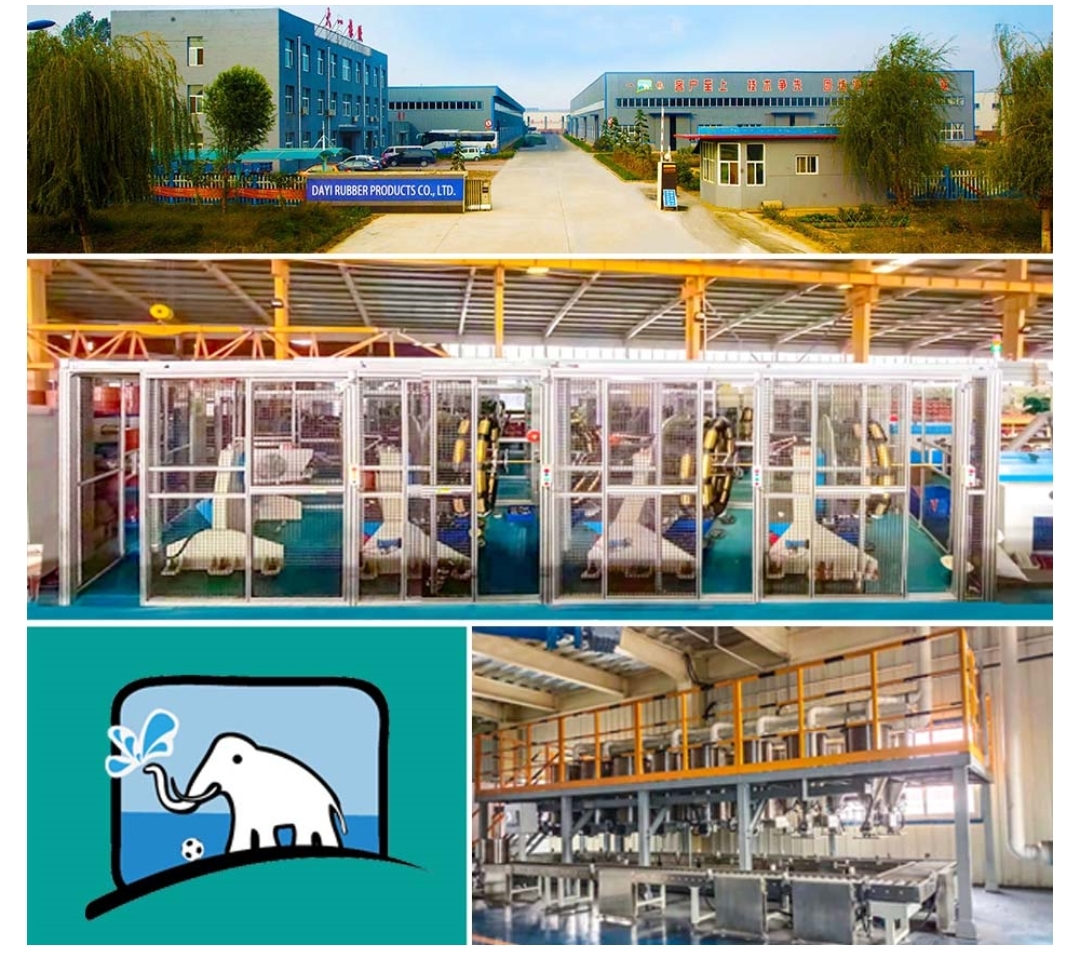
Manufacturing processes begin with extrusion of the inner tube, followed by precise winding of the reinforcement layer. The winding process is critical for ensuring uniform pressure distribution and preventing stress concentrations. Precise tension control during winding is paramount. Following reinforcement, the outer cover is extruded. Curing is then performed under controlled temperature and pressure to vulcanize the rubber compounds, creating a durable and chemically stable hose. Quality control involves hydrostatic testing to verify the hose's ability to withstand its rated working pressure with a significant safety factor (typically 4:1). Parameter control during manufacturing includes precise control of rubber compound viscosity, extrusion temperatures, winding tension, and curing time. Improper control of these parameters can lead to defects such as porosity, delamination, or insufficient curing, compromising hose integrity.
Performance & Engineering
Hydraulic hose performance is governed by several key engineering principles. Burst pressure, working pressure, and fatigue life are paramount considerations. Burst pressure is the pressure at which the hose will rupture, while working pressure is the maximum pressure the hose can safely withstand during continuous operation. Fatigue life refers to the number of pressure cycles the hose can endure before failure. Force analysis considers the internal pressure acting on the hose walls, the tensile strength of the reinforcement layers, and the stresses induced by bending and flexing. Environmental resistance is also crucial. Hydraulic hoses are often exposed to extreme temperatures, UV radiation, ozone, and corrosive fluids. The selection of appropriate rubber compounds and protective coverings is essential to mitigate these effects. Compliance requirements vary by region and application. For example, the Society of Automotive Engineers (SAE) standards define performance criteria for hydraulic hoses used in mobile equipment. Consideration must be given to fluid compatibility. Incompatible fluids can cause swelling, softening, or degradation of the inner tube, leading to leaks and failure. Furthermore, proper hose routing and support are essential to minimize bending stresses and prevent abrasion.
Technical Specifications
| Parameter | Unit | SAE 100R1AT | SAE 100R2AT |
|---|---|---|---|
| Working Pressure | MPa | 20.7 | 34.5 |
| Burst Pressure | MPa | 82.7 | 138.0 |
| Temperature Range | °C | -40 to +100 | -40 to +121 |
| Inner Tube Material | - | NBR | NBR |
| Reinforcement | - | Single Wire Braid | Two Wire Braids |
| Outer Cover | - | Synthetic Rubber | Synthetic Rubber |
Failure Mode & Maintenance
Hydraulic oil hose failures can manifest in several ways. Fatigue cracking is a common failure mode, particularly in hoses subjected to repeated bending and flexing. This occurs due to the accumulation of micro-cracks in the reinforcement layers. Pinholing, the formation of small leaks in the inner tube, can be caused by fluid degradation or abrasion from within the system. Delamination, the separation of the hose layers, can occur due to inadequate bonding during manufacturing or exposure to incompatible fluids. External damage, such as cuts, abrasions, or crushing, can also lead to failure. Oxidation of the rubber compounds can cause hardening and cracking over time, reducing the hose's flexibility and pressure resistance. To prevent failures, regular inspection is crucial. Inspect hoses for signs of cracking, swelling, abrasion, or leaks. Avoid sharp bends and ensure proper hose routing to minimize stress. Use appropriate fittings and torque them correctly. Flush the hydraulic system regularly to remove contaminants that can damage the hose. Replace hoses at recommended intervals, even if they appear to be in good condition, as rubber compounds degrade over time. Proper storage of spare hoses is also important; they should be stored in a cool, dry place away from direct sunlight and ozone sources.
Industry FAQ
Q: What is the impact of using an incorrect hydraulic fluid on hose life?
A: Using an incorrect hydraulic fluid can significantly reduce hose life. Incompatible fluids can cause the inner tube to swell, soften, or degrade, leading to leaks and premature failure. For example, using a petroleum-based fluid in a hose designed for phosphate ester fluid will cause rapid deterioration of the NBR inner tube. Always verify fluid compatibility with the hose manufacturer’s specifications.
Q: How does temperature affect hydraulic hose performance?
A: Temperature extremes can negatively impact hose performance. High temperatures can accelerate rubber degradation and reduce the hose's pressure capacity. Low temperatures can cause the rubber to become brittle and less flexible, increasing the risk of cracking. Always operate hoses within their specified temperature range and consider using specialized hoses designed for extreme temperature applications.
Q: What are the common causes of hose fitting leaks?
A: Common causes of hose fitting leaks include improper torque, damaged threads, incorrect fitting selection, and contamination on the sealing surfaces. Ensure fittings are properly torqued to the manufacturer's specifications using a calibrated torque wrench. Inspect threads for damage before assembly. Use fittings compatible with the hose and hydraulic fluid. Clean sealing surfaces before assembly to remove any contaminants.
Q: How do I determine the correct hose size for my application?
A: Determining the correct hose size requires considering the flow rate, pressure, and fluid velocity. Undersized hoses can create excessive pressure drop and heat buildup, while oversized hoses can lead to pulsations and reduced system responsiveness. Consult with a hydraulic system engineer or use hose sizing calculators to ensure proper selection.
Q: What is the significance of hose layline markings?
A: Hose layline markings provide critical information about the hose's manufacturer, manufacturing date, working pressure, and applicable standards. This information is essential for traceability, quality control, and proper maintenance. Always inspect the layline markings before installing a new hose.
Conclusion
Hydraulic oil hoses are indispensable components within a multitude of industries, and their reliable performance is paramount to the safety and efficiency of hydraulic systems. The careful selection of materials, adherence to rigorous manufacturing processes, and meticulous attention to operational parameters—including fluid compatibility, temperature control, and proper maintenance—are all essential to maximizing hose longevity and preventing catastrophic failures. Understanding the inherent failure modes and adopting preventative maintenance strategies are crucial for minimizing downtime and ensuring long-term operational integrity.
Future advancements in hydraulic hose technology are likely to focus on the development of more durable and chemically resistant materials, improved manufacturing techniques, and the integration of smart sensors for real-time condition monitoring. Predictive maintenance, enabled by these sensors, will allow for proactive hose replacement, further reducing the risk of unexpected failures and optimizing system performance. Compliance with evolving industry standards and a commitment to continuous improvement will remain essential for ensuring the safety and reliability of hydraulic oil hose applications.