
Apr . 01, 2024 17:55 Back to list
hydraulic industrial hose Performance Analysis
Introduction
Hydraulic industrial hose is a reinforced flexible conduit designed to convey pressurized hydraulic fluid to transmit power in a variety of applications, ranging from construction equipment and agricultural machinery to industrial manufacturing and aerospace systems. Its technical position within the industrial chain lies between the hydraulic power unit (pump, valves, reservoir) and the hydraulic actuators (cylinders, motors). Core performance characteristics are defined by its pressure rating, temperature range, fluid compatibility, and resistance to abrasion and kinking. The hose’s construction significantly impacts its performance and lifespan, influencing system efficiency and minimizing downtime, making it a critical component in maintaining operational integrity. A key industry pain point revolves around ensuring consistent hose performance under extreme conditions, particularly in high-pressure, high-temperature, and chemically aggressive environments, demanding materials and manufacturing processes capable of mitigating premature failure.
Material Science & Manufacturing
Hydraulic hoses are typically constructed from multiple layers, each contributing specific properties. The inner tube, in direct contact with the fluid, is commonly made from synthetic rubbers like Nitrile (NBR), Ethylene Propylene Diene Monomer (EPDM), or Fluoroelastomer (FKM, Viton®), selected for their compatibility with the hydraulic fluid (mineral oil, synthetic fluids, phosphate esters). NBR offers good abrasion resistance and cost-effectiveness, EPDM excels in heat and weather resistance, and FKM provides superior chemical resistance. The reinforcement layer dictates the hose's pressure capacity and is often comprised of braided high-tensile steel wire or spirally wrapped steel wire. The number of braids or the pitch of the spiral affects the working pressure. A protective outer cover, usually a synthetic rubber like Chloroprene (CR) or Polyurethane (PU), shields the reinforcement from environmental factors like abrasion, ozone, and UV exposure. Manufacturing processes vary depending on hose type. Braided hoses involve precisely winding steel wire around a mandrel while simultaneously extruding the inner and outer rubber layers. Spiraled hoses utilize a continuous winding process, offering higher pressure ratings for a given weight. Critical parameters during manufacturing include consistent rubber compound mixing, precise wire tension control, proper vulcanization (curing) temperature and time, and rigorous quality control checks to detect defects like porosity or wire breaks. Degradation of rubber compounds due to improper curing can lead to reduced flexibility and premature cracking.

Performance & Engineering
The performance of a hydraulic hose is governed by several engineering principles. Burst pressure, working pressure, and safety factor are crucial design considerations. Burst pressure represents the point at which the hose fails catastrophically, while working pressure is the maximum continuous operating pressure, typically defined as 50-70% of the burst pressure to provide a safety margin. Hose bend radius is critical to avoid kinking, which restricts fluid flow and can lead to hose failure. Fatigue analysis is performed to predict hose life under cyclic pressure loading. The hose undergoes repeated expansion and contraction with each pressure cycle, leading to material fatigue and eventual failure. Environmental resistance is paramount, particularly in applications exposed to extreme temperatures, corrosive fluids, or UV radiation. Fluid compatibility determines the hose's ability to withstand prolonged exposure to the hydraulic fluid without swelling, softening, or degradation. Compliance requirements, such as those specified by SAE (Society of Automotive Engineers) and EN (European Norms), dictate minimum performance standards for pressure ratings, temperature ranges, and fluid compatibility. Finite Element Analysis (FEA) is increasingly used to optimize hose designs for specific applications, predicting stress distribution and identifying potential failure points.
Technical Specifications
| Hose Type | Working Pressure (PSI) | Burst Pressure (PSI) | Temperature Range (°F) |
|---|---|---|---|
| SAE J517 100R1AT | 2000 | 8000 | -40 to 212 |
| SAE J517 100R2AT | 3000 | 12000 | -40 to 212 |
| DIN EN 853 1SN | 2200 | 8800 | -40 to 100 |
| DIN EN 853 2SN | 3300 | 13200 | -40 to 100 |
| SAE J517 100R6 | 1500 | 6000 | -40 to 180 |
| SAE J517 100R7 | 2500 | 10000 | -40 to 212 |
Failure Mode & Maintenance
Hydraulic hose failures typically stem from several modes. Fatigue cracking is a common occurrence, initiated by repeated flexing and pressure cycles leading to microscopic cracks that propagate over time. Abrasion, caused by external contact with surfaces or fluid contaminants, weakens the outer cover and exposes the reinforcement. Pinholing, small leaks through the hose wall, often results from corrosion or damage to the inner tube. Kinking restricts flow and generates localized stress, accelerating fatigue failure. Blowout occurs when the reinforcement fails, leading to a catastrophic release of fluid. Hose degradation due to chemical incompatibility results in swelling, softening, or cracking of the rubber compounds. Proper maintenance is crucial for maximizing hose lifespan. Regularly inspect hoses for signs of damage – cracks, abrasions, bulges, or leaks. Implement a hose routing strategy to minimize bending and abrasion. Ensure proper fluid cleanliness through filtration. Avoid exceeding the hose's pressure and temperature limits. Replace hoses at recommended intervals, even if no visible damage is present. Develop a hose management program to track hose usage and replacement schedules. Utilize protective sleeves or guards in areas prone to abrasion. Properly store hoses when not in use, avoiding direct sunlight and extreme temperatures.
Industry FAQ
Q: What is the impact of fluid velocity on hydraulic hose life?
A: Higher fluid velocity increases erosion of the inner tube, particularly with fluids containing abrasive particles. It also contributes to increased heat generation, which accelerates rubber degradation. Maintaining optimal fluid velocity within the hose's recommended range is crucial for maximizing lifespan.
Q: How does hose layline marking contribute to safety and traceability?
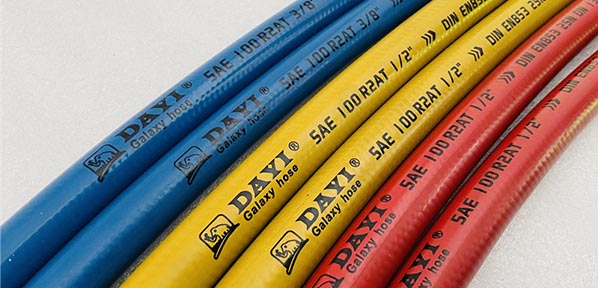
A: Layline markings indicate the hose's manufacturer, construction, pressure rating, and date of manufacture. This information is vital for traceability in case of failure analysis and ensuring the hose meets specified requirements. It also facilitates proper installation by indicating the correct flow direction for certain hose types.
Q: What are the considerations for selecting a hose fitting material?
A: Fitting material must be compatible with both the hose and the hydraulic fluid. Common materials include carbon steel, stainless steel, and brass. Carbon steel is cost-effective but susceptible to corrosion. Stainless steel offers superior corrosion resistance but is more expensive. Brass is suitable for low-pressure applications with compatible fluids.
Q: How does hose reinforcement type (braided vs. spiral) affect performance?
A: Braided reinforcement provides flexibility and is suitable for moderate pressure applications. Spiral reinforcement offers higher pressure ratings and improved kink resistance, making it ideal for demanding applications. The choice depends on the specific pressure and bending requirements of the system.
Q: What is the role of impulse pressure rating in hose selection?
A: Impulse pressure refers to the hose's ability to withstand pressure spikes or surges in the hydraulic system. A higher impulse pressure rating indicates greater resistance to damage from these transient pressure fluctuations. This is especially important in applications with pulsating loads like hydraulic hammers.
Conclusion
Hydraulic industrial hose is a critical, yet often overlooked, component in hydraulic power transmission systems. Its performance is dictated by a complex interplay of material science, manufacturing processes, and engineering design considerations. Selecting the appropriate hose for a given application requires a thorough understanding of the operating conditions, fluid compatibility, and pressure requirements. Addressing the inherent challenges of fatigue, abrasion, and environmental degradation through proper maintenance and material selection is paramount for ensuring system reliability and minimizing costly downtime.
Future developments in hydraulic hose technology are focused on lighter weight materials, improved abrasion resistance, and enhanced monitoring capabilities. Smart hoses equipped with sensors that track pressure, temperature, and leakage are emerging, offering predictive maintenance and improved safety. Continued research into novel rubber compounds and reinforcement materials will further enhance hose performance and extend service life, ultimately leading to more efficient and reliable hydraulic systems.