
Apr . 01, 2024 17:55 Back to list
Hydraulic Hose Supplier Performance Analysis
Introduction
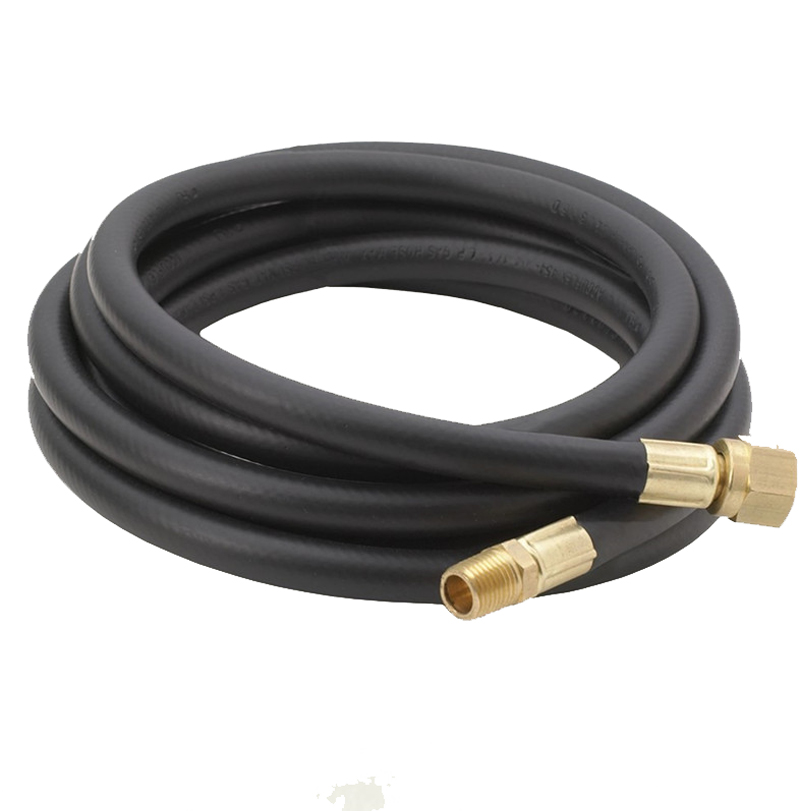
Hydraulic hose is a critical component in fluid power systems, responsible for the reliable transmission of pressurized hydraulic fluid. Positioned within the broader industrial supply chain, hydraulic hose acts as the vital link between power sources – pumps – and actuators – cylinders, motors, and valves. These hoses are engineered to withstand high pressures, extreme temperatures, and often, harsh environmental conditions. Core performance characteristics revolve around burst pressure, working pressure, temperature range, fluid compatibility, and resistance to abrasion and kinking. The industry faces consistent challenges related to hose longevity, particularly in applications involving dynamic bending, exposure to aggressive fluids, and maintaining consistent performance across varying operating temperatures. Selecting the appropriate hose construction for a specific application is paramount to system efficiency, safety, and minimizing costly downtime. This guide provides an in-depth technical overview of hydraulic hose, covering material science, manufacturing processes, performance engineering, failure modes, and relevant industry standards.
Material Science & Manufacturing
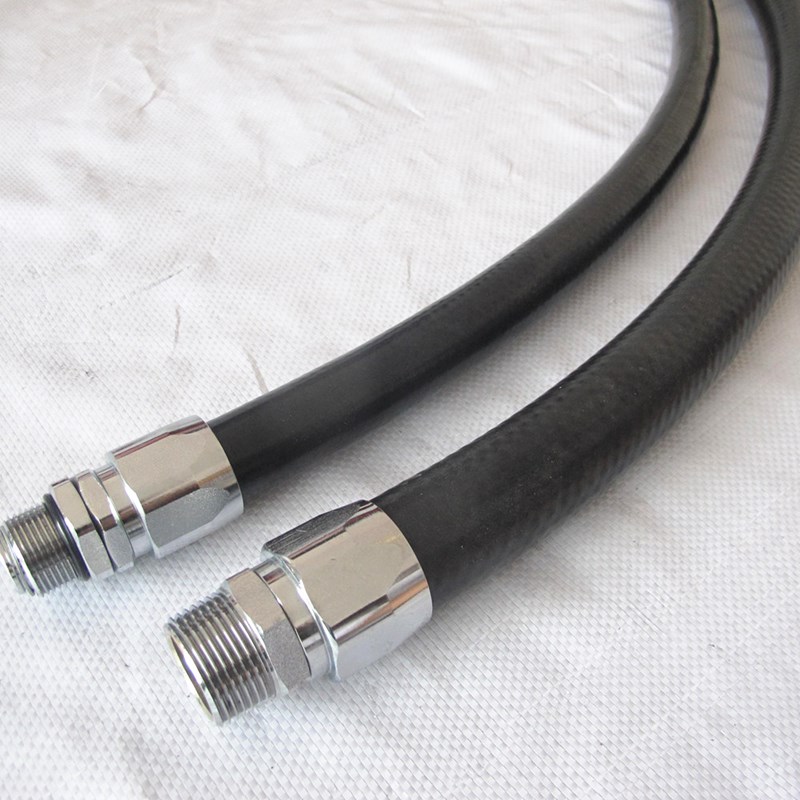
Hydraulic hose construction typically involves multiple layers, each contributing specific properties. The inner tube, in direct contact with the fluid, is commonly manufactured from synthetic rubbers like Nitrile (NBR), Ethylene Propylene Diene Monomer (EPDM), or Fluorocarbon (FKM/Viton) depending on fluid compatibility requirements. NBR provides excellent resistance to petroleum-based oils, while EPDM excels in phosphate ester hydraulic fluids and offers superior heat resistance. FKM offers the broadest chemical resistance, including resistance to aggressive fuels and solvents. The reinforcement layer provides the hose's pressure-bearing capability. Common reinforcement materials include high-tensile steel wire (single or multiple braids), steel spirals, and synthetic fiber braids (aramid or polyester). Spiral reinforcement offers higher pressure ratings and flexibility than braided reinforcement. The outer cover provides protection against abrasion, ozone, weathering, and oil degradation, typically utilizing synthetic rubbers like Chloroprene (CR) or EPDM. Manufacturing processes vary with hose type. Braided hoses are produced by intertwining steel wires over a mandrel and subsequently applying the inner tube and cover via extrusion. Spiral hoses are manufactured by winding pre-formed steel wire helically around a mandrel, followed by extrusion of the inner tube and cover. Critical parameter control during manufacturing includes precise rubber compound mixing ratios, maintaining consistent wire tension during braiding/spiraling, and controlling extrusion temperatures and speeds to ensure uniform layer adhesion and wall thickness. Post-manufacturing testing includes burst pressure testing, impulse testing, and dimensional verification to guarantee compliance with industry standards.
Performance & Engineering
Hydraulic hose performance is governed by several key engineering principles. Burst pressure, typically four times the working pressure, represents the hose's ultimate failure point. Working pressure dictates the maximum operational pressure the hose can safely sustain. Fatigue resistance is crucial in dynamic applications involving repeated bending and flexing. Impulse testing simulates pressure pulsations and assesses the hose’s ability to withstand cyclical stress. Hose bend radius is critical; exceeding the minimum bend radius can induce kinking and premature failure. Temperature extremes significantly impact hose performance. High temperatures reduce the rubber's elasticity and tensile strength, while low temperatures increase stiffness and brittleness. Fluid compatibility is paramount. Incompatible fluids can cause swelling, softening, or degradation of the inner tube, leading to leaks or failure. Environmental factors such as ozone exposure and UV radiation can degrade the outer cover. Compliance requirements, dictated by standards like SAE J517 and EN 853, ensure consistent performance and safety. Finite Element Analysis (FEA) is increasingly employed during the design phase to optimize hose construction for specific applications, predicting stress distribution and identifying potential failure points. Force analysis involves calculating hoop stress (stress in the circumferential direction) and longitudinal stress (stress along the hose length) to ensure adequate reinforcement. Material selection is further informed by considering the coefficient of thermal expansion and the fluid's viscosity.
Technical Specifications
| Parameter | SAE J517 (R1AT/R2AT) | EN 853 (1SN/2SN) | Typical Application |
|---|---|---|---|
| Working Pressure (PSI) | R1AT: 1000, R2AT: 2000 | 1SN: 200 bar (2900 PSI), 2SN: 315 bar (4563 PSI) | General hydraulic systems, construction equipment |
| Burst Pressure (PSI) | R1AT: 4000, R2AT: 8000 | 1SN: 800 bar (11600 PSI), 2SN: 1275 bar (18500 PSI) | High-pressure hydraulic applications |
| Temperature Range (°F) | -40 to +212 | -40 to +100 (depending on cover) | Wide range of operating environments |
| Inner Tube Material | NBR (standard), EPDM, Viton | NBR (standard), EPDM | Fluid compatibility dependent |
| Reinforcement | Single or double steel wire braid | Single or double steel wire spiral/braid | Pressure rating and flexibility |
| Outer Cover Material | CRM (Chloroprene) | CRM or EPDM | Abrasion and weather resistance |
Failure Mode & Maintenance
Hydraulic hose failure can manifest in several forms. Fatigue cracking, primarily occurring in braided hoses under dynamic bending, initiates from microscopic defects and propagates under cyclical stress. Delamination, separating layers within the hose wall, results from inadequate adhesion between layers. Abrasion damage, caused by external contact with abrasive surfaces, compromises the outer cover and exposes the reinforcement. Kinking, exceeding the minimum bend radius, disrupts fluid flow and weakens the hose structure. Oxidation and degradation, induced by exposure to ozone, UV radiation, and extreme temperatures, affect the rubber compounds, reducing their elasticity and strength. Internal degradation occurs due to chemical attack from incompatible fluids. Maintenance practices are crucial for extending hose life. Regular visual inspections should identify signs of abrasion, cracking, bulging, or leaks. Proper hose routing, avoiding sharp bends and contact with hot surfaces, is essential. Using appropriate fittings, ensuring a secure and leak-proof connection, prevents premature failure. Implementing a scheduled replacement program, based on operating conditions and hose usage, minimizes the risk of unexpected downtime. Flushing the hydraulic system regularly removes contaminants that can accelerate hose degradation. Proper storage of spare hoses, protected from sunlight and extreme temperatures, preserves their integrity.
Industry FAQ
Q: What is the difference between R1AT and R2AT hoses and when should each be used?
A: R2AT hoses feature a double wire braid reinforcement compared to the single braid in R1AT hoses, resulting in a significantly higher working pressure and burst pressure. R1AT hoses are suitable for general hydraulic applications with moderate pressure requirements. R2AT hoses should be used in high-pressure systems, such as those found in heavy machinery and demanding industrial applications, where exceeding the pressure rating of an R1AT hose could lead to catastrophic failure.
Q: How does temperature affect the service life of a hydraulic hose?
A: Extreme temperatures, both high and low, negatively impact hose longevity. High temperatures accelerate the degradation of rubber compounds, reducing their elasticity and tensile strength. Low temperatures can cause the rubber to become stiff and brittle, increasing the risk of cracking. It's crucial to select a hose with a temperature range that matches the operating conditions of the application and avoid exceeding those limits.
Q: What are the common causes of hydraulic hose leaks?
A: Common causes include improper fitting installation (over-tightening or under-tightening), damaged or corroded fittings, abrasion of the hose cover, internal degradation due to fluid incompatibility, and fatigue cracking. Regular inspections and proper maintenance practices can help identify and address these issues before they lead to leaks.
Q: What is the importance of selecting the correct inner tube material?
A: The inner tube material must be compatible with the hydraulic fluid being used. Incompatible fluids can cause the inner tube to swell, soften, or degrade, leading to leaks and hose failure. Selecting the appropriate material (NBR, EPDM, Viton, etc.) is critical for ensuring long-term hose performance and preventing costly downtime.
Q: How can I minimize the risk of hose kinking?
A: Kinking occurs when the hose is bent beyond its minimum bend radius. Ensure adequate space for hose routing, avoiding sharp bends and obstructions. Select a hose with a smaller minimum bend radius if space is limited. Using rotating or swivel fittings can also help prevent twisting and kinking in dynamic applications.
Conclusion
Hydraulic hose is a critical, yet often underestimated, component within fluid power systems. Its reliable operation is paramount to the safety and efficiency of numerous industrial applications. Understanding the intricacies of material science, manufacturing processes, performance engineering, and potential failure modes is essential for selecting the optimal hose for a given application and implementing effective maintenance practices. The appropriate hose choice, combined with proper installation and preventative maintenance, ensures longevity, minimizes downtime, and maximizes system performance.
Looking ahead, advancements in hose technology are focused on developing lighter-weight, more durable materials, and incorporating smart sensing capabilities for real-time condition monitoring. These innovations will further enhance hose reliability, reduce maintenance costs, and improve overall system efficiency. Continued adherence to established industry standards and a proactive approach to maintenance will remain essential for ensuring the safe and reliable operation of hydraulic systems.