
Apr . 01, 2024 17:55 Back to list
hydraulic hose price Performance Analysis
Introduction
Hydraulic hose, integral to fluid power systems, transmits hydraulic fluid to actuate machinery. The price of hydraulic hose is not solely determined by length or diameter but is a complex function of material composition, reinforcement structure, operating pressure, temperature range, and specialized certifications. This guide will dissect these factors influencing price, providing a comprehensive understanding for procurement professionals and engineers. Within the broader industrial supply chain, hydraulic hose price is a key cost driver in industries ranging from construction and agriculture to manufacturing and aerospace. Fluctuations in raw material costs, particularly synthetic rubber and steel, directly impact hose pricing. This document addresses the core technical attributes that justify price variations, focusing on performance, durability, and compliance with industry standards, moving beyond a simple ‘cost per foot’ analysis to a total cost of ownership perspective.
Material Science & Manufacturing
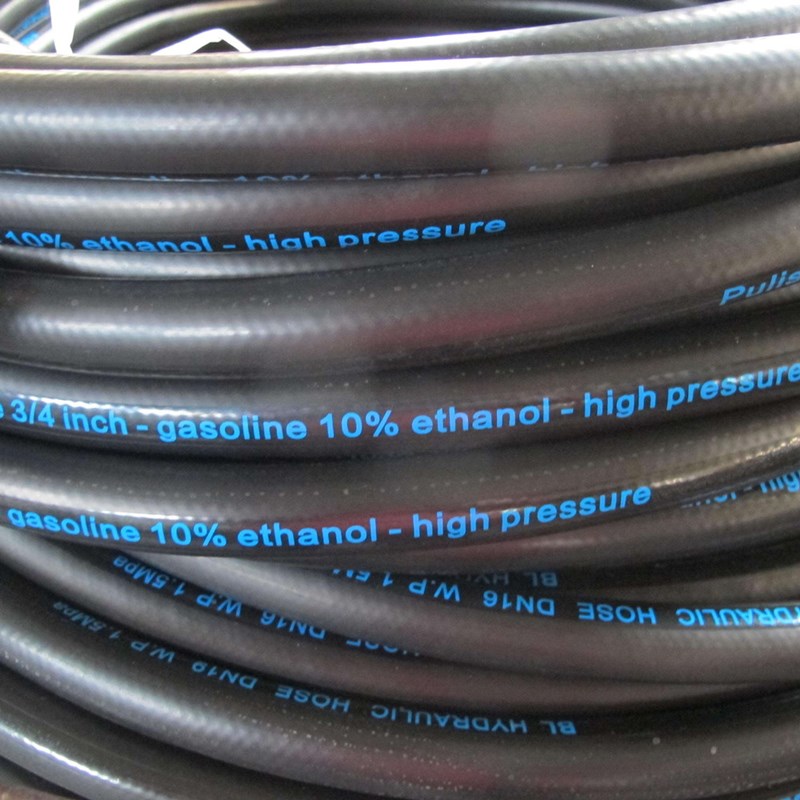
Hydraulic hose construction fundamentally relies on several key materials. The inner tube, providing fluid compatibility, is typically composed of synthetic rubbers such as Nitrile (NBR), Ethylene Propylene Diene Monomer (EPDM), or Fluorocarbon (FKM/Viton). NBR offers excellent resistance to petroleum-based fluids and is the most cost-effective option, thus influencing lower price points. EPDM excels in phosphate ester fluid compatibility and high-temperature applications, driving up the price. FKM delivers superior resistance to aggressive chemicals and extreme temperatures, commanding the highest material cost. The reinforcement layer, critical for pressure containment, usually consists of multiple braids of high-tensile steel wire. The number of braids (typically 2, 4, or 6) directly correlates with the hose's working pressure rating and, consequently, its price. Spiral wound reinforcement utilizing steel wire or aramid fiber offers even higher pressure capabilities and is found in specialized, higher-priced hoses. The outer cover, protecting against abrasion, weather, and ozone, is generally made of synthetic rubber compounds. Manufacturing processes include extrusion for the inner tube and cover, followed by braiding or winding of the reinforcement layers. Precise control of extrusion parameters (temperature, pressure, die speed) is vital for consistent wall thickness and dimensional accuracy. Braiding tension and winding angles are meticulously monitored to ensure structural integrity. Post-processing includes testing for pressure rating, leak resistance, and dimensional conformity. Incorrect curing of the rubber compounds, inadequate braid coverage, or improper dimensional control will lead to premature failure and represent poor value regardless of initial price.
Performance & Engineering
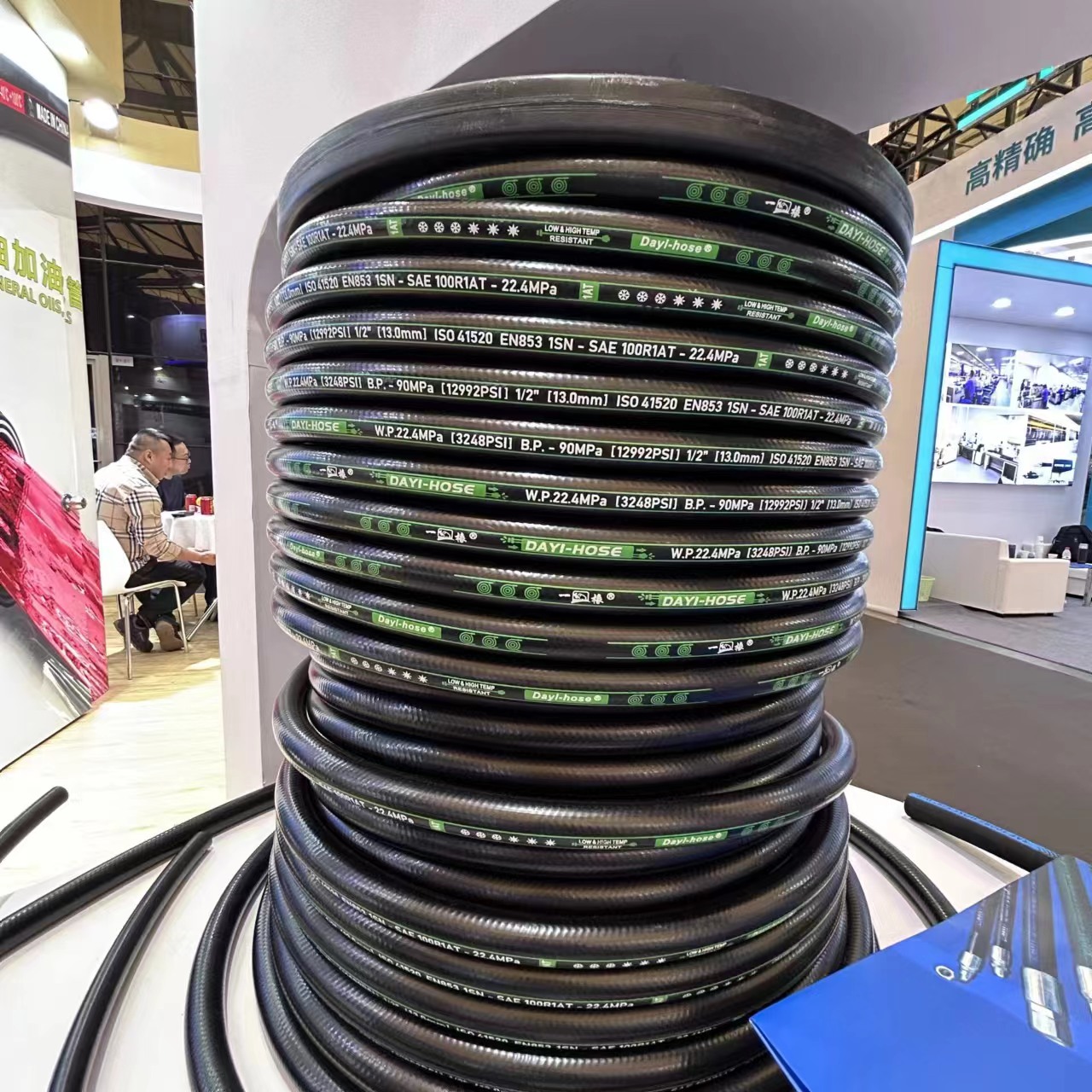
Hydraulic hose performance is dictated by several critical engineering parameters. Burst pressure, working pressure, and temperature range are primary considerations. Burst pressure, typically four times the working pressure, represents the hose's ultimate failure point. The working pressure dictates the safe operating limit under dynamic loading conditions. Temperature range influences the rubber compound’s flexibility and resistance to degradation. Hose bend radius is equally crucial; exceeding the minimum bend radius induces stress concentration, leading to premature fatigue failure. Finite Element Analysis (FEA) is employed to optimize hose geometry and reinforcement structure for maximum pressure capacity and fatigue life. Environmental resistance, including exposure to ozone, UV radiation, and corrosive fluids, significantly impacts longevity and dictates the appropriate outer cover material. Proper hose assembly, utilizing correctly sized fittings and a proper crimping process, is paramount. Incorrect crimping can lead to fitting slippage, fluid leakage, and catastrophic failure. Force analysis under pressure involves calculating hoop stress in the hose wall and axial stress in the reinforcement layers. These calculations determine the appropriate reinforcement structure and material selection to withstand the applied load. Compliance requirements, dictated by standards such as SAE J517 and EN 853, mandate specific performance testing and documentation, adding to the overall cost of compliant hoses.
Technical Specifications
| Parameter | NBR Inner Tube, 2 Braid Steel Wire | EPDM Inner Tube, 4 Braid Steel Wire | FKM Inner Tube, 6 Braid Stainless Steel Wire | Spiral Wound Aramid Reinforced |
|---|---|---|---|---|
| Working Pressure (PSI) | 2000 | 3000 | 5000 | 6000 |
| Burst Pressure (PSI) | 8000 | 12000 | 20000 | 24000 |
| Temperature Range (°F) | -40 to 212 | -40 to 250 | -40 to 450 | -40 to 302 |
| Inner Diameter (inches) | 0.5 - 2.0 | 0.5 - 1.5 | 0.25 - 1.0 | 0.75 - 4.0 |
| Outer Diameter (inches) | 0.75 - 2.5 | 0.875 - 1.75 | 0.625 - 1.25 | 1.0 - 5.0 |
| Approximate Price per Foot | $2.50 - $5.00 | $4.00 - $7.00 | $8.00 - $15.00 | $10.00 - $20.00 |
Failure Mode & Maintenance
Hydraulic hose failure manifests in several common modes. Fatigue cracking, caused by repeated flexing and pressure cycles, is prevalent, particularly near the fitting crimp. Delamination, the separation of reinforcement layers from the inner tube or cover, results from inadequate bonding or exposure to aggressive fluids. Hose kinking, exceeding the minimum bend radius, creates localized stress concentrations and can lead to cracking. External abrasion damages the outer cover, exposing the reinforcement to corrosion. Internal degradation occurs when the fluid is incompatible with the inner tube material, causing swelling, softening, and eventual rupture. Oxidation, particularly in hoses exposed to high temperatures, degrades the rubber compounds, reducing flexibility and strength. Maintenance practices include regular visual inspections for cracks, abrasions, and leaks. Proper hose routing, avoiding sharp bends and contact with hot surfaces, is essential. Scheduled replacement based on operating hours or calendar time is recommended, especially in critical applications. Pressure testing can identify internal degradation before catastrophic failure. Correct installation with properly crimped fittings is critical to prevent fitting slippage and premature failure. Storing hoses in a cool, dry, and dark environment protects against UV degradation and ozone cracking.
Industry FAQ
Q: What is the impact of hose cover material on overall cost and application suitability?
A: The hose cover material significantly influences both cost and application. While a basic synthetic rubber cover is the most economical, it offers limited resistance to abrasion and environmental factors. Premium covers, such as polyurethane or specialized rubber compounds, provide superior protection, justifying a higher price point. Choosing the appropriate cover necessitates considering the operating environment – exposure to chemicals, UV radiation, abrasion, and temperature extremes. In abrasive environments, a robust polyurethane cover is crucial, despite its higher cost, to prevent premature failure and maintain system integrity.
Q: How does the number of reinforcement braids affect hose price and pressure rating?
A: Increasing the number of reinforcement braids directly increases both the hose’s pressure rating and its price. Each additional braid adds to the material cost and manufacturing complexity. Two-braid hoses are suitable for lower-pressure applications, while four-braid hoses are common for moderate pressures. Six-braid hoses provide the highest pressure capacity but command a significant price premium. The optimal braid count depends on the system’s maximum operating pressure and the required safety factor.
Q: What are the cost implications of selecting different inner tube materials (NBR, EPDM, FKM)?
A: Inner tube material selection profoundly impacts cost. NBR is the most affordable option, suitable for petroleum-based fluids. EPDM is moderately priced and offers excellent resistance to phosphate ester fluids and heat. FKM (Viton) is the most expensive, providing superior chemical resistance and high-temperature performance. The fluid compatibility requirements of the system dictate the necessary inner tube material. Using an incompatible material will lead to rapid degradation and hose failure, ultimately costing more in the long run.
Q: What is the role of hose fittings in determining the total cost and reliability of a hydraulic system?
A: Hose fittings represent a significant portion of the total cost and are critical to system reliability. Inferior fittings can fail prematurely, leading to leaks and system downtime. High-quality fittings, manufactured from corrosion-resistant materials and properly crimped to the hose, ensure a secure and leak-free connection. Using the correct fitting type (e.g., straight, 90-degree, swivel) is essential for proper hose routing and minimizing stress. The cost of a fitting failure far outweighs the initial savings from using cheaper alternatives.
Q: How do international standards (SAE, EN) affect the price of hydraulic hose?
A: Compliance with international standards like SAE J517 (USA) and EN 853 (Europe) adds to the cost of hydraulic hose due to rigorous testing and documentation requirements. These standards mandate specific performance criteria, material specifications, and quality control procedures. Hoses certified to these standards offer greater reliability and safety, providing assurance of performance. Manufacturers investing in compliance and certification typically charge a premium, reflecting the increased cost of testing and quality assurance. Purchasing hoses lacking these certifications represents a risk of premature failure and potential safety hazards.
Conclusion
The price of hydraulic hose is a multifaceted equation, influenced by material science, manufacturing precision, engineering design, and regulatory compliance. A 'lowest price' approach often overlooks critical performance attributes, leading to premature failure and increased lifecycle costs. Understanding the interplay between these factors allows procurement professionals and engineers to make informed decisions, optimizing value by selecting hoses that meet specific application requirements while maximizing durability and reliability.
Future trends point toward advanced materials, such as thermoplastic hoses offering reduced weight and increased flexibility, and smart hoses incorporating sensors for real-time pressure and temperature monitoring. These innovations will likely command higher initial prices but offer potential benefits in terms of system efficiency and predictive maintenance. Ultimately, a comprehensive cost analysis encompassing initial purchase price, installation costs, maintenance expenses, and potential downtime is essential for achieving a sustainable and cost-effective hydraulic system.