
Apr . 01, 2024 17:55 Back to list
hydraulic hose pipe ferrules manufacturers Material Science
Introduction
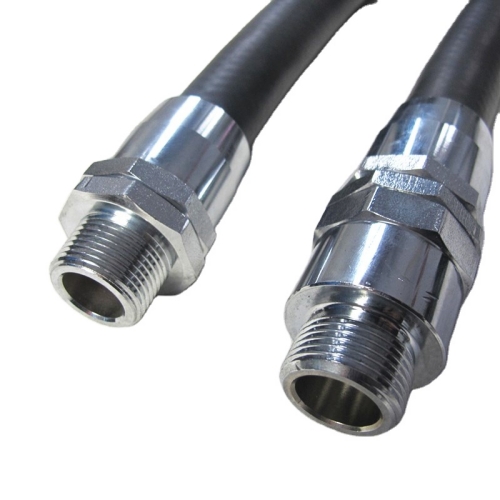
Hydraulic hose pipe ferrules are critical components in hydraulic systems, serving as the essential connection point between the flexible hose and the rigid piping or machinery. They are not merely adaptors; they are engineered elements responsible for maintaining pressure integrity, preventing leakage, and ensuring the safe and efficient transfer of hydraulic fluid. The market for ferrules is driven by the robust growth in industries such as construction, agriculture, mining, and manufacturing, all heavily reliant on hydraulic power. This guide will provide a comprehensive technical overview of hydraulic hose pipe ferrules, focusing on material science, manufacturing processes, performance characteristics, failure modes, and relevant industry standards. A key pain point in the industry revolves around premature failure due to improper material selection, inadequate crimping procedures, or compatibility issues with modern hydraulic fluids. Addressing these issues through detailed understanding and rigorous quality control is paramount for maintaining system reliability and minimizing downtime.
Material Science & Manufacturing
Ferrules are commonly manufactured from carbon steel, alloy steel (including stainless steel variants), and increasingly, aluminum alloys. Carbon steel, typically SAE 1045 or equivalent, offers a balance of strength and cost-effectiveness. Alloy steels, like 4140, provide enhanced tensile strength and resistance to corrosion, suitable for high-pressure and demanding environments. Stainless steels (304, 316) are preferred in corrosive applications. Aluminum alloys (6061-T6) are gaining traction due to their lightweight properties and corrosion resistance, although they generally exhibit lower strength compared to steel. Manufacturing processes vary based on the material and ferrule type (e.g., skived, threaded, compression). Carbon and alloy steel ferrules are often produced via cold forming or machining, followed by heat treatment to achieve desired hardness and ductility. Threaded ferrules require precise machining to ensure accurate thread engagement and prevent leakage. Skived ferrules are manufactured through a specialized process of chip removal, forming a tight interference fit with the hose. Critical parameters during manufacturing include material composition verification (through spectroscopic analysis), dimensional accuracy (using coordinate measuring machines – CMMs), surface finish (Ra values are critical for sealing performance), and heat treatment control (ensuring proper Rockwell hardness). Chemical compatibility with hydraulic fluids (phosphate ester, mineral oil, synthetic fluids) is also assessed through immersion testing.

Performance & Engineering
The performance of a hydraulic hose ferrule is governed by its ability to withstand high pressures, resist fatigue, and maintain a leak-proof seal. Force analysis involves calculating the hoop stress generated by internal pressure and the axial load induced during crimping. Finite Element Analysis (FEA) is frequently employed to optimize ferrule geometry and minimize stress concentrations. Environmental resistance is crucial, particularly exposure to temperature extremes, humidity, salt spray, and various hydraulic fluids. Corrosion resistance is assessed using standardized salt spray tests (ASTM B117). Compliance requirements are dictated by industry standards (SAE J518, DIN 3915) which specify pressure ratings, burst pressures, and performance criteria. Functional implementation focuses on the crimping process – the critical step of securing the ferrule onto the hose. Proper crimping requires precise control of crimping force, die dimensions, and hose positioning. Incorrect crimping can lead to under-crimping (resulting in leakage) or over-crimping (damaging the hose reinforcement). Leak testing, often involving hydrostatic pressure testing, is essential to verify the integrity of the assembly.
Technical Specifications
| Material | Pressure Rating (PSI) | Operating Temperature (°F) | Tensile Strength (MPa) |
|---|---|---|---|
| Carbon Steel (SAE 1045) | Up to 5000 | -40 to 250 | 570-700 |
| Alloy Steel (4140) | Up to 8000 | -40 to 350 | 895-1035 |
| Stainless Steel (304) | Up to 6000 | -328 to 500 | 517-724 |
| Aluminum Alloy (6061-T6) | Up to 3000 | -65 to 250 | 276-345 |
| Brass (C36000) | Up to 4000 | -20 to 200 | 414-552 |
| Zinc Plated Steel | Up to 4500 | -40 to 200 | 550-690 |
Failure Mode & Maintenance
Common failure modes of hydraulic hose ferrules include fatigue cracking (due to cyclic pressure loading), corrosion (particularly in harsh environments), thread stripping (in threaded ferrules), and leakage due to improper crimping. Fatigue cracking typically initiates at stress concentration points, such as the root of threads or the crimp transition. Corrosion can lead to material degradation and loss of strength. Failure analysis often involves microscopic examination of fractured surfaces (using Scanning Electron Microscopy – SEM) to identify the root cause of failure. Maintenance recommendations include regular visual inspection for signs of corrosion or damage, torque checks for threaded ferrules, and periodic hydraulic system pressure testing. Preventative measures include proper material selection for the application environment, meticulous crimping procedures, and the use of corrosion inhibitors in the hydraulic fluid. Proper storage of ferrules is also critical, protecting them from moisture and contamination. Replacement of ferrules should occur at scheduled intervals, or immediately if any signs of damage or leakage are observed. Adherence to manufacturer’s recommendations regarding crimp specifications and torque values is vital for maximizing ferrule lifespan and system reliability.
Industry FAQ
Q: What is the impact of hydraulic fluid type on ferrule material selection?
A: Different hydraulic fluids exhibit varying levels of compatibility with ferrule materials. Phosphate ester fluids, for instance, can aggressively attack certain elastomers and require ferrules made from stainless steel or specialized alloy steels. Mineral oils are generally compatible with carbon steel and brass, but prolonged exposure to moisture can promote corrosion. Synthetic fluids may require specific materials to prevent swelling or degradation. A thorough assessment of fluid compatibility is essential to prevent premature failure.
Q: What are the critical parameters for achieving a proper crimp?
A: Achieving a proper crimp involves precise control of several parameters, including crimping force, die dimensions, hose positioning, and crimping angle. The crimp must create a sufficient interference fit between the ferrule and the hose reinforcement without damaging the reinforcement fibers. Improper crimping can lead to leakage or hose failure. Crimping equipment should be calibrated regularly, and operators should be trained in proper crimping techniques.
Q: How does temperature affect ferrule performance?
A: Temperature extremes can significantly impact ferrule performance. High temperatures can reduce material strength and accelerate corrosion. Low temperatures can embrittle certain materials. Ferrules must be selected based on the expected operating temperature range, and the hydraulic system should be designed to maintain fluid temperatures within acceptable limits.
Q: What are the common causes of thread stripping in threaded ferrules?
A: Thread stripping typically occurs due to over-tightening, improper thread engagement, or the use of incompatible thread compounds. Correct torque specifications must be followed, and thread surfaces should be clean and free of debris. Using appropriate thread sealant can help prevent galling and ensure proper sealing.
Q: What are the benefits of using stainless steel ferrules?
A: Stainless steel ferrules offer superior corrosion resistance compared to carbon steel or alloy steel, making them ideal for applications in corrosive environments or with fluids prone to causing corrosion. They also provide higher strength and durability, extending their service life and reducing the risk of failure.
Conclusion
Hydraulic hose pipe ferrules represent a deceptively complex component, playing a vital role in the safe and reliable operation of hydraulic systems. Proper material selection, meticulous manufacturing processes, precise crimping procedures, and diligent maintenance are all essential for maximizing ferrule performance and preventing premature failure. The industry faces ongoing challenges related to fluid compatibility, temperature extremes, and the need for increased pressure ratings, driving continuous innovation in ferrule materials and designs.
Looking ahead, advancements in material science, such as the development of new alloy compositions and coatings, will further enhance the performance and durability of hydraulic hose ferrules. The integration of sensor technology into ferrules for real-time monitoring of crimp integrity and stress levels is also a promising area of research. Adherence to evolving industry standards and a commitment to continuous improvement will be crucial for manufacturers seeking to meet the increasingly demanding requirements of the hydraulic power industry.