
Apr . 01, 2024 17:55 Back to list
hydraulic hose pipe ferrules factory Performance Analysis
Introduction
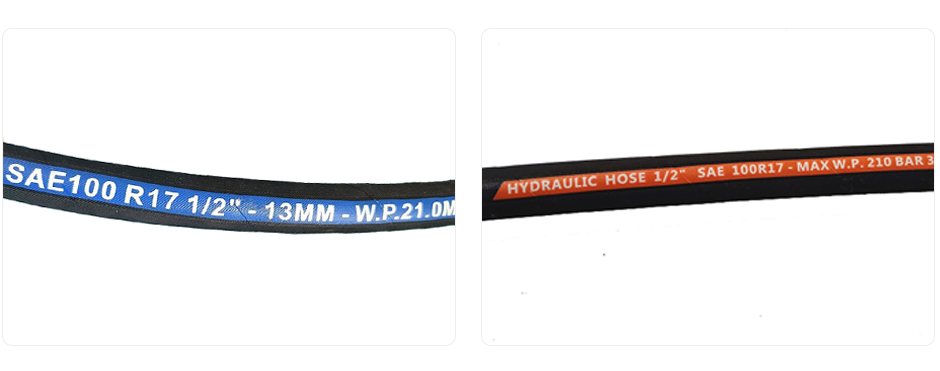
Hydraulic hose pipe ferrules represent a critical component within fluid power systems, functioning as the permanent or semi-permanent connection between a flexible hose and rigid piping or machinery. These ferrules, often manufactured from carbon steel, stainless steel, or alloy steel, ensure leak-free, high-pressure transmission of hydraulic fluid. Their technical position within the industry chain is as a consumable component integrated during hose assembly, demanding stringent quality control due to the potential for catastrophic system failure resulting from improper attachment. Core performance characteristics are defined by crimpability, burst pressure compatibility with the hose reinforcement, resistance to corrosion, and dimensional precision to ensure a reliable seal. The industry faces persistent challenges related to maintaining consistent crimp quality across varying hose constructions and ensuring long-term corrosion resistance, particularly in harsh operating environments. The selection of the appropriate ferrule material and manufacturing process directly impacts the overall integrity and lifespan of the hydraulic system.
Material Science & Manufacturing
The primary raw material for hydraulic hose ferrules is typically carbon steel (e.g., SAE 1020, 1045) due to its cost-effectiveness and machinability. Stainless steel (e.g., 304, 316) is employed in corrosive environments, offering superior resistance to oxidation and chemical attack. Alloy steels are utilized for specialized applications requiring enhanced strength and toughness. Manufacturing processes center around cold forging, machining, and surface treatment. Cold forging is prevalent for high-volume production, imparting grain flow alignment that enhances strength. Machining, including turning, milling, and drilling, is used for precise dimensional control and feature creation, such as the crimp shoulder and the hose bore. Critical parameters include forging temperature, reduction ratio (degree of deformation during forging), cutting tool geometry, and machining coolant selection. Surface treatments such as zinc plating, nickel plating, or passivation are applied to enhance corrosion resistance. A critical pain point is maintaining concentricity between the hose bore and the crimp shoulder; deviation can lead to uneven crimp pressure and premature failure. Material hardness, typically measured using Rockwell C scale, must be carefully controlled to ensure optimal crimping characteristics and prevent damage to the hose reinforcement during assembly. Chemical composition verification via spectroscopic analysis is essential for quality assurance.
Performance & Engineering
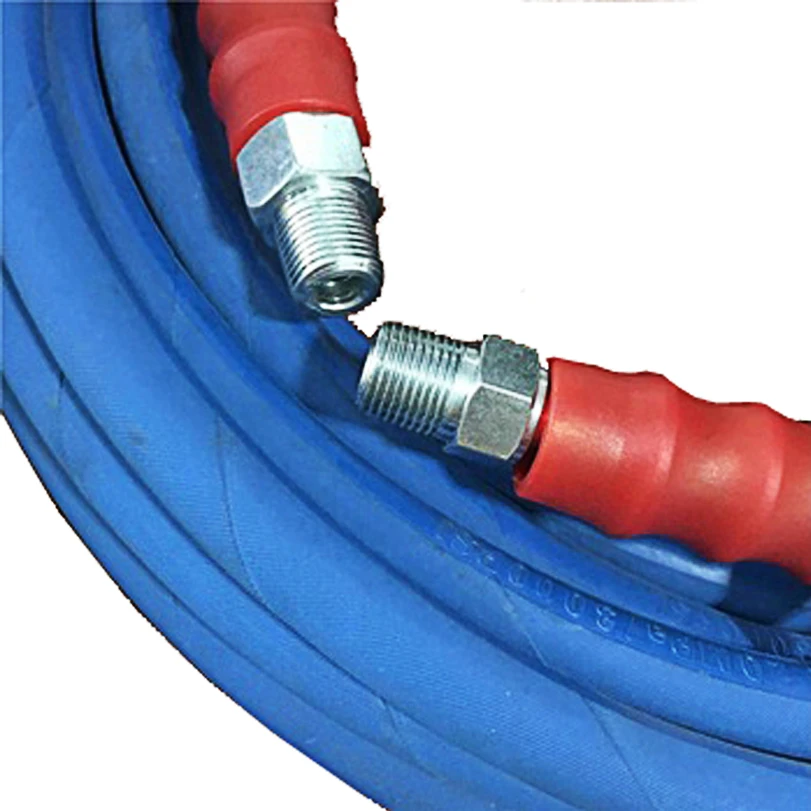
Performance of hydraulic hose ferrules is dictated by their ability to withstand extreme pressures and dynamic loading. Force analysis focuses on hoop stress within the ferrule during pressurization and tensile stress during axial loading. Finite Element Analysis (FEA) is frequently employed to optimize ferrule geometry and predict stress distribution under various operating conditions. Environmental resistance is a crucial factor, particularly in applications exposed to salt spray, hydraulic fluids, and extreme temperatures. Corrosion protection is paramount; inadequate protection leads to crevice corrosion and eventual ferrule failure. Compliance requirements are governed by industry standards such as SAE J518 (Hydraulic Hose) and ISO 4413 (Hydraulic Fluid Power – General Rules Relating to Systems). Functional implementation requires precise crimping procedures. Crimp parameters, including crimp diameter, crimp height, and crimp angle, must be meticulously controlled to achieve a secure, leak-proof seal without damaging the hose reinforcement. Fatigue life is a significant concern in pulsating pressure applications. Cyclic loading can initiate micro-cracks at the crimp interface, leading to eventual failure. Proper ferrule design and material selection are critical to maximizing fatigue resistance. The ferrule must also exhibit sufficient ductility to accommodate hose movement and thermal expansion/contraction without compromising the seal.
Technical Specifications
| Material Grade | Tensile Strength (MPa) | Yield Strength (MPa) | Hardness (Rockwell C) |
|---|---|---|---|
| SAE 1020 Carbon Steel | 530 - 690 | 275 - 380 | 25 - 35 |
| SAE 1045 Carbon Steel | 620 - 860 | 310 - 480 | 30 - 40 |
| 304 Stainless Steel | 517 - 724 | 205 - 290 | 25 - 35 |
| 316 Stainless Steel | 586 - 790 | 240 - 345 | 25 - 35 |
| Alloy Steel (4140) | 750 - 965 | 430 - 620 | 30 - 45 |
| Zinc Plating Thickness | 5-25 μm | N/A | N/A |
Failure Mode & Maintenance
Common failure modes include corrosion (especially galvanic corrosion in dissimilar metal couplings), fatigue cracking at the crimp interface, and material degradation due to fluid incompatibility. Fatigue cracking typically initiates from surface defects or stress concentrations. Corrosion manifests as pitting, crevice corrosion, or uniform thinning of the ferrule material. Electrochemical corrosion is accelerated by the presence of chlorides or other corrosive contaminants in the hydraulic fluid. Improper crimping can lead to over-compression, damaging the hose reinforcement, or under-compression, resulting in leakage. Maintenance primarily involves visual inspection for signs of corrosion, cracking, or deformation. Regular pressure testing can detect leaks before catastrophic failure occurs. Preventative maintenance includes ensuring proper fluid cleanliness, using compatible hydraulic fluids, and adhering to recommended crimping procedures. In the event of a detected failure, the ferrule and the associated hose section must be replaced immediately. Failure analysis should be conducted to determine the root cause of the failure and prevent recurrence. Non-destructive testing methods, such as dye penetrant inspection and ultrasonic testing, can be used to detect subsurface cracks.
Industry FAQ
Q: What is the impact of ferrule material selection on hose assembly life?
A: Ferrule material selection directly influences corrosion resistance and mechanical strength. Carbon steel is cost-effective but susceptible to corrosion. Stainless steel provides superior corrosion resistance, extending hose assembly life in harsh environments. Alloy steels offer higher strength for high-pressure applications. Choosing the incorrect material for the fluid and operating conditions will significantly reduce assembly lifespan.
Q: How does crimp quality affect the performance of the ferrule?
A: Crimp quality is paramount. An improperly crimped ferrule can cause leakage, hose reinforcement damage, or premature failure due to fatigue. Consistent crimp diameter, height, and angle are essential. Regular calibration of crimping equipment and operator training are crucial for maintaining crimp quality.
Q: What types of corrosion are most common in hydraulic hose ferrules?
A: Galvanic corrosion (between dissimilar metals), pitting corrosion (localized attack), and crevice corrosion (in shielded areas) are most prevalent. Maintaining a clean system, using compatible fluids, and applying protective coatings can mitigate corrosion risk.
Q: How can I identify a potentially failing ferrule?
A: Visual inspection for signs of corrosion, cracking, or deformation is the first step. Pressure testing can reveal leaks. Ultrasonic testing or dye penetrant inspection can detect subsurface cracks. Any indication of degradation warrants immediate replacement.
Q: What are the key considerations for selecting a ferrule for a specific hydraulic hose?
A: Hose pressure rating, fluid compatibility, operating temperature, and environmental conditions are key. The ferrule material must be compatible with both the hose reinforcement and the hydraulic fluid. Proper dimensional matching between the ferrule bore and the hose ID is crucial for a secure seal.
Conclusion
Hydraulic hose pipe ferrules are foundational elements in ensuring the reliable and safe operation of hydraulic systems. Their seemingly simple function belies a complex interplay of material science, manufacturing precision, and engineering considerations. Maintaining consistent crimp quality, selecting appropriate materials for the intended service environment, and implementing robust preventative maintenance strategies are paramount for maximizing hose assembly lifespan and preventing catastrophic system failures.
The ongoing trend towards higher operating pressures and more demanding environmental conditions necessitates continuous improvement in ferrule design and manufacturing techniques. Future developments will likely focus on advanced materials with enhanced corrosion resistance, optimized crimp geometries to reduce stress concentrations, and the integration of smart sensors for real-time monitoring of ferrule health. Strict adherence to industry standards and rigorous quality control procedures will remain critical for ensuring the integrity of hydraulic systems.