
Apr . 01, 2024 17:55 Back to list
hydraulic hose Performance Analysis
Introduction
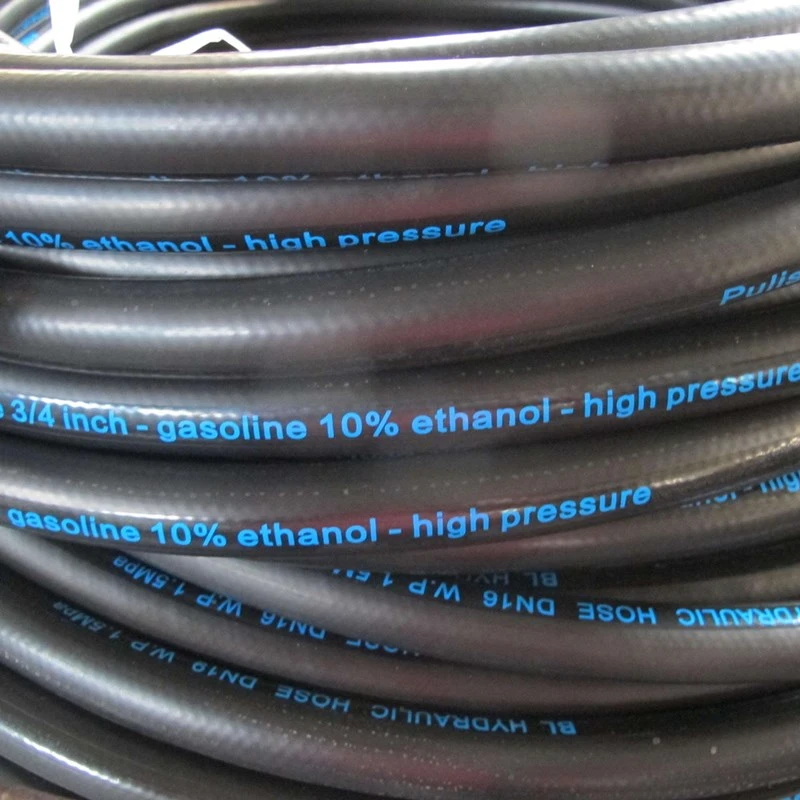
Hydraulic hose is a reinforced tubular assembly designed to convey pressurized hydraulic fluid, facilitating power transmission in a wide array of industrial and mobile applications. Positioned as a critical component within hydraulic systems – alongside pumps, valves, and cylinders – its primary function is the safe and efficient transfer of fluid power. Unlike pneumatic systems relying on compressible gases, hydraulic systems utilize incompressible liquids, demanding hose constructions capable of withstanding substantial pressures and maintaining volumetric integrity. Core performance characteristics of hydraulic hose are dictated by working pressure, burst pressure, temperature range, fluid compatibility, and resistance to abrasion and kinking. A failure in hydraulic hose can lead to system downtime, fluid leaks causing environmental hazards, and potentially dangerous operational failures, making proper specification and maintenance paramount. This guide provides an in-depth technical exploration of hydraulic hose, covering material science, manufacturing, performance characteristics, failure modes, and relevant industry standards.
Material Science & Manufacturing
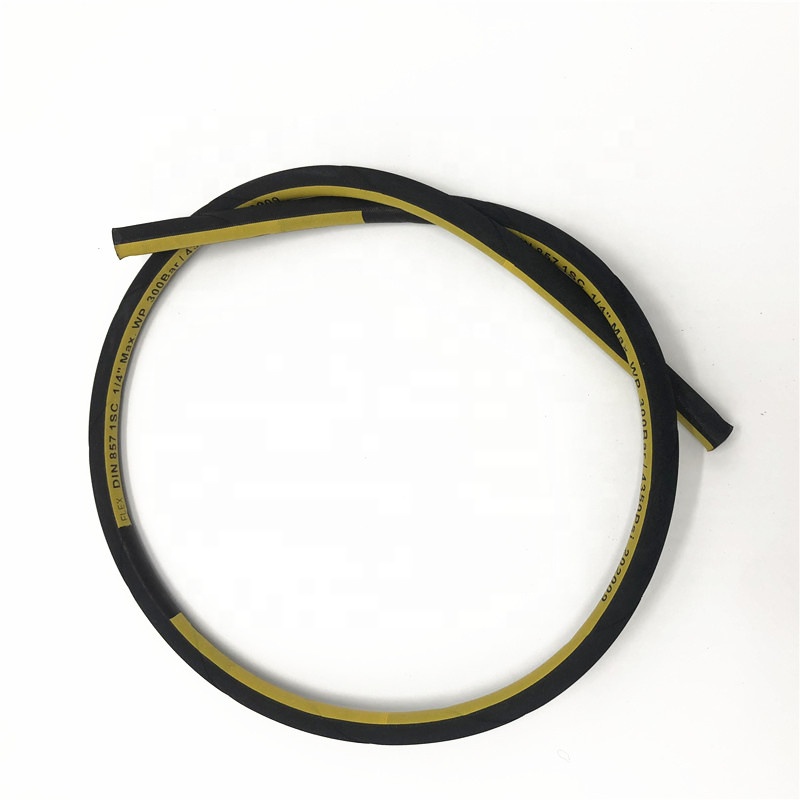
Hydraulic hose construction typically involves four key layers: the inner tube, reinforcement layers, outer cover, and in some cases, bonding agents. The inner tube, directly contacting the hydraulic fluid, is commonly composed of synthetic rubbers such as nitrile (NBR), chloroprene (CR, Neoprene), or ethylene propylene diene monomer (EPDM). NBR offers excellent resistance to petroleum-based oils, while CR provides superior resistance to heat, ozone, and weathering. EPDM excels in phosphate ester fluid compatibility. The selection of the inner tube material is fundamentally linked to the hydraulic fluid being used, with incompatibility leading to swelling, degradation, and eventual failure. Reinforcement layers contribute to the hose’s pressure-bearing capacity and are frequently constructed from high-tensile strength steel wire (single or multi-spiral), synthetic fiber braids (aramid, polyester), or a combination thereof. Spiral wire reinforcement delivers higher pressure ratings and kink resistance compared to braided constructions. The outer cover, providing environmental protection, is typically made from synthetic rubbers like CR, or thermoplastic polyurethanes (TPU), offering abrasion resistance, UV protection, and resistance to oil and chemicals.
Manufacturing processes vary based on hose type. Braided hose is produced by interlacing reinforcement fibers around a mandrel using automated braiding machines, followed by vulcanization to bond the layers. Spiral wire hose employs a continuous winding of high-tensile wire around a mandrel, subsequently vulcanized. Extrusion is used for the inner tube and outer cover applications. Critical parameter control during manufacturing includes precise monitoring of rubber compound formulations, accurate wire winding tension, consistent vulcanization temperatures and times, and rigorous quality control inspections for dimensional accuracy and defect detection. Bonding agents, strategically applied between layers, are crucial for maintaining structural integrity and preventing delamination. The curing process, a vital aspect of manufacturing, defines the final physical properties of the rubber compounds, impacting flexibility, resilience, and resistance to chemical attack.
Performance & Engineering
The performance of hydraulic hose is heavily dictated by its ability to withstand internal pressure, external damage, and environmental stressors. Force analysis involves assessing hoop stress within the inner tube and axial stress on the reinforcement layers under pressure. Burst pressure, typically exceeding working pressure by a safety factor of 4:1, represents the maximum pressure the hose can withstand before catastrophic failure. Kink resistance, particularly important in mobile applications, is influenced by reinforcement construction (spiral wire provides superior kink resistance) and hose bend radius. Environmental resistance encompasses a range of factors including temperature extremes, exposure to ozone, UV radiation, and chemical attack from hydraulic fluid or external contaminants. The glass transition temperature (Tg) of the rubber compounds dictates their flexibility at low temperatures.
Compliance requirements often necessitate adherence to industry standards like SAE J517 (Hydraulic Hose – Specifications), DIN EN 853 (Hydraulic Hoses), and ISO 6898 (Hydraulic hose assemblies). These standards define testing procedures for pressure rating, burst pressure, impulse pressure, temperature range, and fluid compatibility. Furthermore, in industries such as aerospace and defense, hydraulic hose must meet stringent material traceability and performance criteria dictated by specific regulatory bodies. Functional implementation considerations include proper hose routing to minimize bending stress, appropriate fitting selection to ensure leak-free connections, and the use of protective sleeves to prevent abrasion and impact damage. Impulse pressure, the effect of pressure pulsations within the system, can cause fatigue failure; hoses designed for dynamic applications must exhibit high fatigue resistance.
Technical Specifications
| Parameter | Unit | SAE 100R1 AT | SAE 100R2 AT |
|---|---|---|---|
| Working Pressure | MPa | 20.7 | 34.5 |
| Burst Pressure | MPa | 82.7 | 138.0 |
| Temperature Range | °C | -40 to +100 | -40 to +121 |
| Inner Tube | Material | NBR | NBR |
| Reinforcement | Material | Single Wire Braid | Double Wire Braid |
| Outer Cover | Material | CR | CR |
Failure Mode & Maintenance
Hydraulic hose failure modes are diverse, stemming from a combination of material degradation, mechanical stress, and environmental factors. Fatigue cracking, induced by repeated pressure cycling and bending, is a common failure mechanism, particularly in applications with high dynamic loads. Delamination, the separation of hose layers, occurs due to inadequate bonding or exposure to incompatible fluids. Degradation of the rubber compounds, resulting from oxidation, ozone attack, or chemical reactions, reduces the hose’s flexibility and strength. Abrasion, caused by external contact with abrasive surfaces, can wear through the outer cover and expose the reinforcement layers. Kinking, resulting from excessive bending, restricts fluid flow and can lead to localized pressure buildup and failure.
Preventative maintenance is crucial for maximizing hose lifespan and ensuring system reliability. Regular visual inspections should identify signs of abrasion, cracking, swelling, or leakage. Pressure testing, conducted periodically, verifies the hose’s ability to withstand operational pressures. Proper hose routing and support prevent excessive bending and abrasion. Fluid contamination must be minimized through the use of filtration systems. When replacing a hose, it’s essential to match the specifications (pressure rating, temperature range, fluid compatibility) of the original hose. Fittings should be inspected for corrosion and proper tightening. Incorrect installation, such as over-tightening fittings or exceeding the minimum bend radius, significantly accelerates hose failure. Records of hose inspections, replacements, and maintenance activities should be maintained for traceability and performance analysis.
Industry FAQ
Q: What are the key differences between braided and spiral hose, and when would you select one over the other?
A: Braided hose, constructed with interwoven fiber or wire, offers good flexibility and is suitable for medium-pressure applications. Spiral hose, using a continuously wound wire, provides significantly higher pressure ratings and superior kink resistance, making it ideal for demanding applications like construction equipment and agricultural machinery where higher pressures and frequent bending occur. Spiral hose generally has a higher cost but offers greater durability in those specific conditions.
Q: How does temperature affect hydraulic hose performance?
A: Temperature extremes can significantly impact hose performance. High temperatures accelerate rubber degradation, reducing flexibility and strength. Low temperatures can cause the rubber to become brittle and less resilient. Hose selection must consider the operating temperature range, and fluid compatibility must be maintained across that range. Exceeding the specified temperature limits will lead to premature failure.
Q: What is the importance of fluid compatibility when selecting a hydraulic hose?
A: Fluid compatibility is paramount. Incompatible fluids can cause the inner tube material to swell, soften, or degrade, leading to leaks and eventual failure. The hose manufacturer’s fluid compatibility chart must be consulted to ensure the inner tube material is suitable for the specific hydraulic fluid being used. Using the wrong hose can lead to catastrophic system failure.
Q: What role do fittings play in the overall reliability of a hydraulic hose assembly?
A: Fittings are critical. Improperly sized, damaged, or poorly crimped fittings are a common source of leaks and failures. Fittings must be correctly matched to the hose and application, and crimping must be performed to the manufacturer's specifications. Corrosion of fittings can also weaken the connection. Regular inspection of fittings is essential.
Q: How can I extend the lifespan of my hydraulic hoses?
A: Regular visual inspections, proper hose routing and support to minimize bending stress and abrasion, maintaining fluid cleanliness through filtration, and using the correct hose specifications for the application are all key factors. Avoid over-tightening fittings and adhere to the manufacturer’s recommended maintenance schedule. Implement a hose management program for tracking and replacing hoses proactively.
Conclusion
Hydraulic hose, a seemingly simple component, is in fact a complex engineered product whose performance is dictated by careful material selection, precise manufacturing processes, and adherence to stringent industry standards. Understanding the interplay between material properties, operating conditions, and potential failure modes is crucial for ensuring system reliability and safety. Proper hose specification, installation, and preventative maintenance are not merely best practices, but essential elements of a robust hydraulic system design.
The ongoing development of new rubber compounds, reinforcement materials, and manufacturing techniques continues to push the boundaries of hydraulic hose performance. Future trends include the development of lighter-weight, more durable hoses with enhanced resistance to extreme temperatures and aggressive fluids. The integration of sensor technology within hoses for real-time condition monitoring offers the potential for predictive maintenance and increased system uptime. As hydraulic systems become increasingly sophisticated, the role of hydraulic hose as a critical enabling component will only continue to grow.