
Apr . 01, 2024 17:55 Back to list
Hydraulic Hose Manufacturers Performance Analysis
Introduction
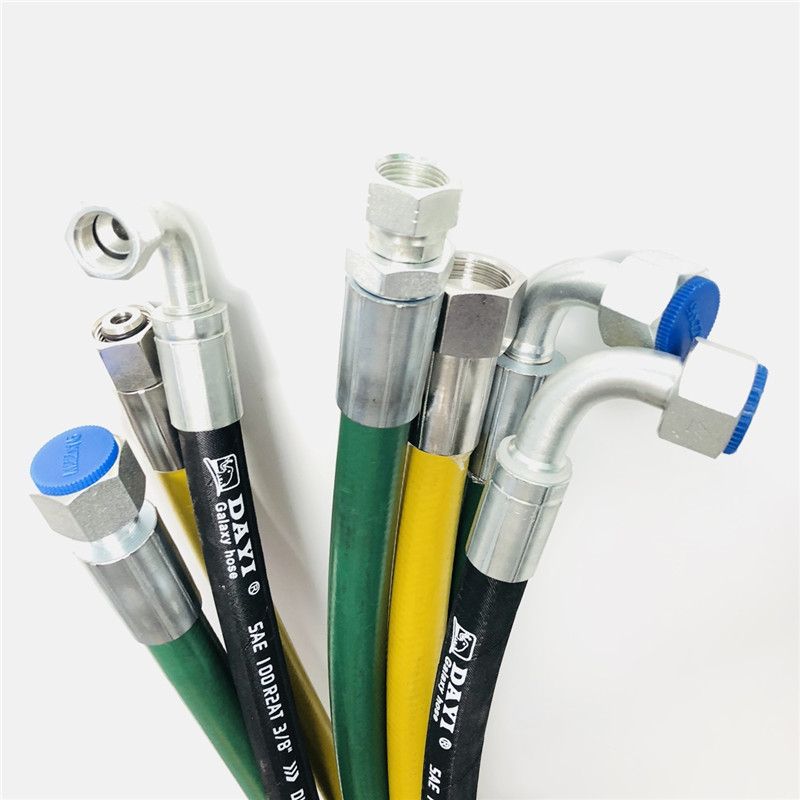
Hydraulic hose, a critical component in fluid power systems, transmits hydraulic fluid to actuators and other components. Its technical position within the industrial chain is as a final element following hose manufacturing, reinforcement, and assembly. Modern hydraulic hose construction generally comprises an inner tube, reinforcement layers, and an outer cover, each engineered to specific performance characteristics. Core performance metrics include pressure rating, temperature range, fluid compatibility, and abrasion resistance. The selection of appropriate hydraulic hose is paramount to system reliability and safety, addressing critical industry pain points stemming from premature failure, fluid leakage, and potential downtime. These failures often stem from incorrect material selection for the operating environment or exceeding pressure/temperature limitations. This guide provides an in-depth technical analysis of hydraulic hose, covering material science, manufacturing processes, performance characteristics, failure modes, and relevant industry standards.
Material Science & Manufacturing
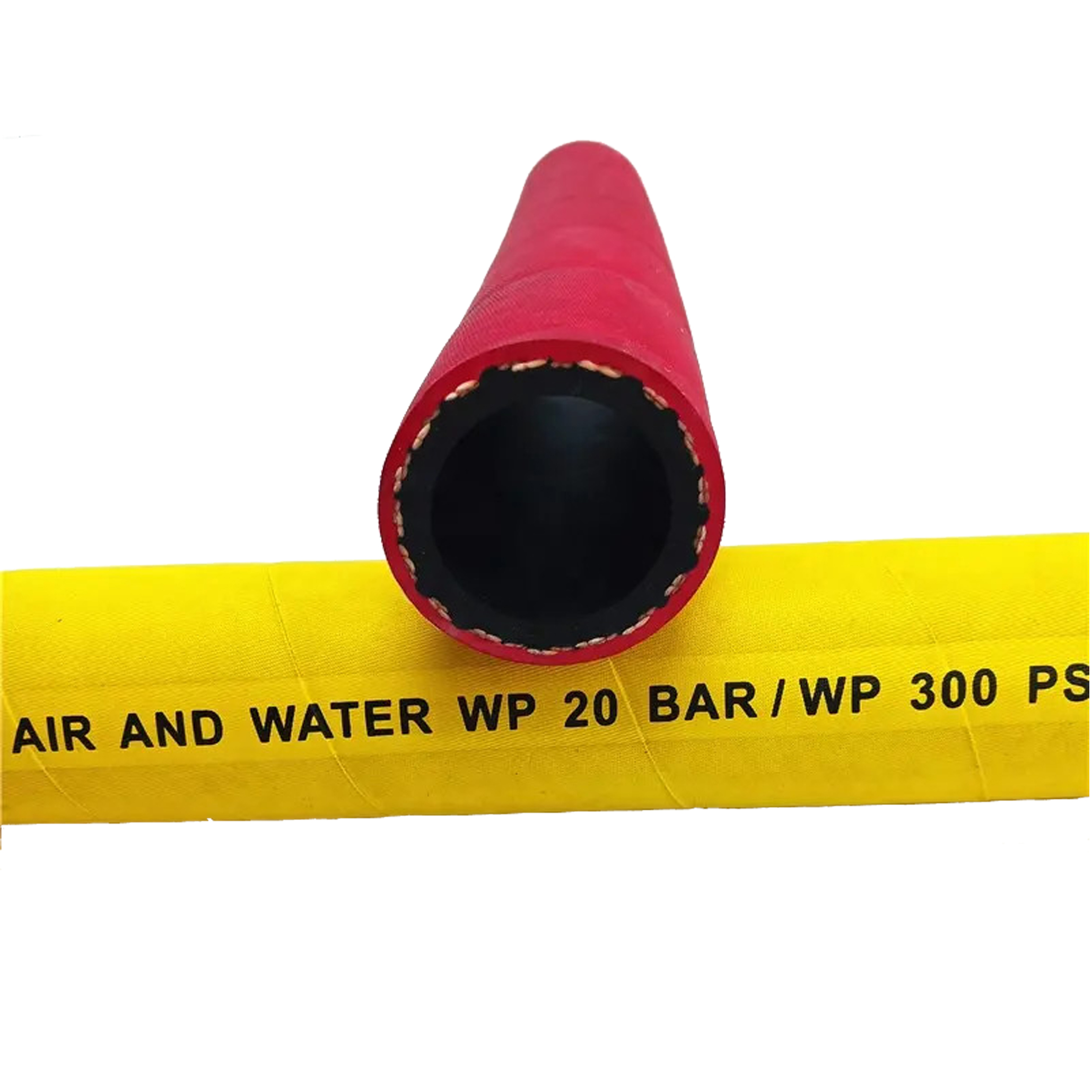
The materials composing hydraulic hose significantly dictate its performance envelope. The inner tube is typically constructed from synthetic rubbers such as Nitrile (NBR), Ethylene Propylene Diene Monomer (EPDM), or Fluorocarbon (FKM/Viton). NBR offers excellent resistance to petroleum-based fluids, making it common in general hydraulic applications. EPDM excels in phosphate ester fluids and high-temperature water/steam environments. FKM provides superior resistance to aggressive chemicals, high temperatures, and fuels, albeit at a higher cost. Reinforcement layers commonly utilize high-tensile steel wire (single or multiple braids), textile fibers (aramid, polyester), or spiral steel wire. Steel wire imparts high pressure capabilities and burst strength, while textile reinforcement provides flexibility and kink resistance. The outer cover is generally made from abrasion-resistant synthetic rubbers like Chloroprene (CR) or Polyurethane (PU), protecting the hose from external damage.
Manufacturing processes vary based on hose type. Braided hose involves spiraling steel wire around a mandrel, followed by extrusion of the inner tube and outer cover. Spiral hose employs a single, continuously wound high-tensile steel wire over the inner tube, offering extremely high pressure ratings. Key parameter control during manufacturing includes precise wire tensioning to ensure consistent reinforcement, rubber compound mixing and curing to achieve desired physical properties (hardness, elongation, tensile strength), and dimensional accuracy during extrusion to guarantee proper fitting compatibility. Post-manufacturing testing, including pressure testing to burst, impulse testing for fatigue life, and dimensional checks, are crucial for quality control. The proper vulcanization (curing) process of the rubber compounds is critical; under-curing leads to reduced strength and resilience, while over-curing can create brittleness and cracking.
Performance & Engineering
Hydraulic hose performance is dictated by several engineering considerations. Burst pressure, a critical safety parameter, is determined by the reinforcement material and construction. Working pressure is significantly lower, typically a fraction of burst pressure, and represents the maximum continuous operating pressure. Impulse pressure refers to pressure spikes and fluctuations within the hydraulic system. Hose must withstand repeated impulse pressures without fatigue failure. Temperature range affects rubber compound elasticity and strength. Operating beyond specified temperature limits degrades material properties and reduces hose lifespan. Fluid compatibility is paramount; incompatible fluids can cause swelling, softening, or cracking of the inner tube.
Force analysis considers internal pressure acting radially on the inner tube, countered by the tensile strength of the reinforcement. The outer cover must resist abrasion, weathering, and external impacts. Compliance requirements often mandate specific hose certifications (e.g., SAE J517, EN 853) and adherence to safety regulations. Functional implementation requires careful hose routing to avoid kinking, twisting, and excessive bending, all of which can reduce flow and induce premature failure. Proper end fitting crimping is essential to ensure a leak-proof seal and adequate load transfer between the hose and the fittings. Finite Element Analysis (FEA) is frequently employed during the design phase to simulate stress distributions and optimize hose construction for specific applications.
Technical Specifications
| Parameter | Unit | SAE 100R1AT | SAE 100R2AT |
|---|---|---|---|
| Working Pressure | MPa | 20.7 | 34.5 |
| Burst Pressure | MPa | 82.7 | 138 |
| Temperature Range | °C | -40 to +100 | -40 to +100 |
| Inner Tube | Material | NBR | NBR |
| Reinforcement | Material | Single Steel Wire Braid | Two Steel Wire Braids |
| Cover | Material | CR | CR |
Failure Mode & Maintenance
Hydraulic hose failures manifest in various modes. Fatigue cracking, induced by repeated impulse pressures, typically initiates at the reinforcement layer and propagates through the rubber matrix. Delamination occurs when the bonding between layers weakens, leading to separation. Abrasion damage arises from external contact with abrasive surfaces. Oxidation and UV degradation cause rubber hardening and cracking, particularly in the outer cover. Chemical attack, stemming from incompatible fluids, leads to swelling, softening, or dissolution of the inner tube. Improper installation, such as over-tightening or incorrect fitting crimping, can induce stress concentrations and premature failure.
Preventative maintenance is critical for maximizing hose lifespan. Regular visual inspections should identify signs of abrasion, cracking, swelling, or leaks. Pressure testing can detect internal degradation. Proper hose routing and protection from physical damage are essential. Fluid cleanliness is paramount; particulate contamination accelerates wear and can damage seals. When replacing hose, ensure compatibility with the hydraulic fluid and operating conditions. End fittings should be inspected for corrosion or damage and replaced if necessary. Crimping procedures must adhere to manufacturer’s specifications. Proper storage of unused hose, shielded from sunlight and extreme temperatures, preserves material properties.
Industry FAQ
Q: What is the impact of impulse pressure on hydraulic hose life?
A: Impulse pressure significantly reduces hydraulic hose lifespan. Each pressure surge introduces fatigue stress into the reinforcement layers. Repeated impulse pressures lead to crack initiation and propagation, ultimately causing hose failure. The amplitude and frequency of impulse pressures are critical; higher amplitudes and frequencies exacerbate fatigue damage. Selecting hose specifically rated for impulse duty and implementing pulsation dampeners in the hydraulic system can mitigate this issue.
Q: How do different hydraulic fluids affect hose material compatibility?
A: Hydraulic fluid compatibility is crucial. Petroleum-based fluids are generally compatible with NBR, but can degrade EPDM. Phosphate ester fluids require EPDM inner tubes. Aggressive fluids, such as synthetic esters and fire-resistant fluids, demand FKM/Viton liners. Incompatible fluids cause swelling, softening, cracking, or dissolution of the inner tube, leading to leaks and failure. Always consult fluid compatibility charts before selecting hose.
Q: What are the key considerations for selecting hose for high-temperature applications?
A: High-temperature applications require hose with thermally stable rubber compounds, such as FKM or specialized EPDM formulations. The continuous operating temperature must be within the hose’s specified range. Reinforcement materials should also maintain strength at elevated temperatures. Consider heat shielding if external heat sources are present. Frequent temperature cycling can accelerate material degradation.
Q: What is the importance of proper hose crimping?
A: Proper hose crimping is paramount for a leak-proof seal and reliable performance. Incorrect crimping (over- or under-crimping) creates stress concentrations, potentially causing fitting slippage or hose rupture. Crimping equipment must be calibrated and maintained regularly. Use fittings and crimp sleeves compatible with the hose and operating pressure. Follow manufacturer’s crimping specifications meticulously.
Q: How does hose layline orientation impact service life?
A: Layline orientation (the direction of the reinforcement helix visible on the hose exterior) is critical. Twisting or kinking the hose against the layline compromises the reinforcement structure and weakens the hose. Always ensure the hose is installed and routed to avoid bending against the layline. Proper installation preserves the hose's structural integrity and extends service life.
Conclusion
Hydraulic hose selection and maintenance are integral to ensuring the reliability and safety of hydraulic systems. Understanding the material science principles governing hose construction, the nuances of manufacturing processes, and the critical performance parameters is crucial for effective engineering decision-making. A thorough assessment of operating conditions – including pressure, temperature, fluid compatibility, and external environmental factors – is essential for choosing the appropriate hose type and construction.
Continued advancements in materials and manufacturing techniques are driving improvements in hose performance, durability, and safety. Future developments are likely to focus on enhanced reinforcement materials, more chemically resistant rubber compounds, and smart hose technologies incorporating sensors for real-time condition monitoring. Prioritizing preventative maintenance and adhering to industry best practices remain fundamental to maximizing hose lifespan and minimizing the risk of costly failures.