
Apr . 01, 2024 17:55 Back to list
Hydraulic Hose Manufacturer Suppliers Performance Analysis

Introduction
Hydraulic hose is a critical component in fluid power systems, responsible for the transmission of pressurized fluids to operate machinery across diverse industrial sectors, including construction, agriculture, manufacturing, and automotive. Hydraulic hose manufacturer suppliers are integral to maintaining operational efficiency and safety within these industries. The technical positioning of these suppliers lies between raw material producers (rubber, steel, polymers) and end-users requiring reliable fluid conveyance solutions. Core performance characteristics of hydraulic hose – pressure rating, burst pressure, temperature resistance, and fluid compatibility – directly dictate system reliability and longevity. A key pain point within the industry is consistently meeting stringent safety standards and providing hoses capable of operating in increasingly demanding environments. Furthermore, achieving cost-effectiveness while maintaining superior performance presents a continual challenge for both manufacturers and their suppliers. The increasing demand for specialized hoses (e.g., high-temperature, chemically resistant) necessitates advanced material science and manufacturing capabilities from suppliers.
Material Science & Manufacturing
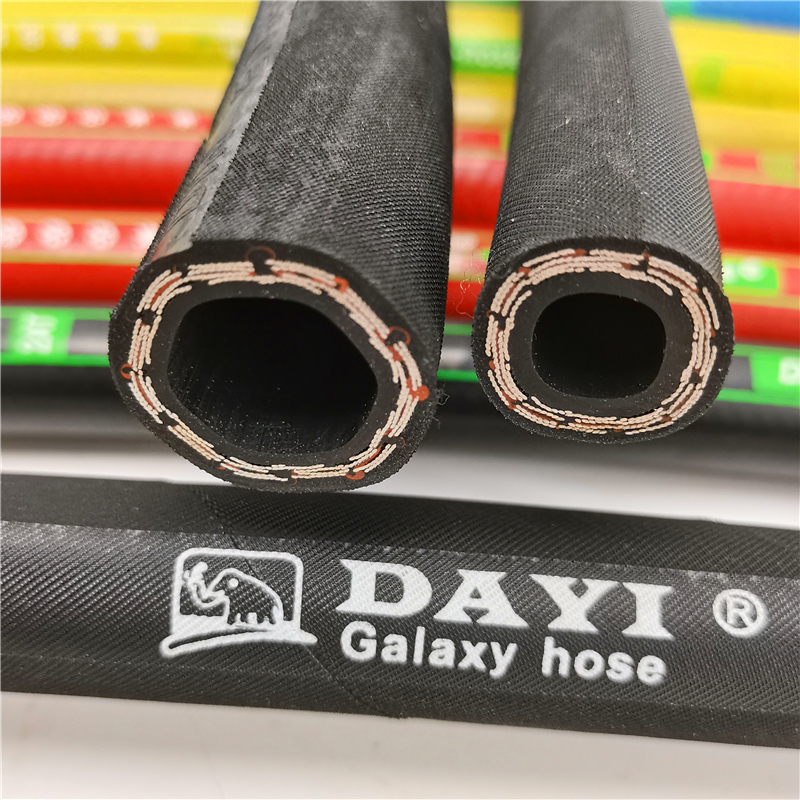
The foundation of hydraulic hose construction relies on a combination of materials selected for specific performance attributes. The inner tube, typically composed of synthetic rubber compounds like nitrile (NBR), ethylene propylene diene monomer (EPDM), or fluorocarbon (FKM), provides fluid resistance. NBR offers excellent resistance to petroleum-based fluids, EPDM excels in phosphate ester fluids and high-temperature applications, while FKM delivers superior resistance to aggressive chemicals and extreme temperatures. Reinforcement layers, critical for withstanding pressure, are commonly constructed from high-tensile steel wire (single or multiple spiral ply), aramid fiber, or textile braids. The outer cover, generally utilizing a synthetic rubber like chlorinated polyethylene (CPE) or polyurethane (PU), provides abrasion, weather, and ozone resistance.
Manufacturing processes vary depending on hose type. Spiral-wound hoses involve continuously winding steel wire around a mandrel, followed by the extrusion of inner and outer rubber layers. Braided hoses utilize textile or aramid fiber plaiting over an inner tube, then extrusion of the outer cover. Critical parameters include wire tension during winding (impacting burst pressure), rubber compound mixing ratios (determining fluid compatibility and flexibility), and curing temperature/time (affecting material properties and aging characteristics). Precise control of these parameters is achieved through automated extrusion lines, computerized braiding machines, and advanced curing ovens. Quality control throughout the process includes dimensional checks, pressure testing to failure, and material property verification (hardness, tensile strength, elongation). Extrusion process parameters such as screw speed, barrel temperature, and die pressure are meticulously monitored to ensure consistent rubber thickness and adhesion to reinforcement layers. Post-curing processes, including surface finishing and marking, are also critical for product identification and traceability.
Performance & Engineering
Hydraulic hose performance is fundamentally governed by its ability to withstand internal pressure, external stress, and environmental factors. Force analysis considers hoop stress within the hose wall, axial stress due to pressure, and bending stress induced by hose routing. Finite element analysis (FEA) is routinely employed to optimize hose construction for maximum pressure capacity and fatigue life. Environmental resistance is crucial; exposure to ozone, UV radiation, extreme temperatures, and corrosive fluids can lead to degradation. Selection of appropriate rubber compounds and protective coverings is paramount. Compliance requirements, dictated by organizations like SAE International (J517, J518), EN 853, and DIN EN 489, specify minimum performance standards for pressure rating, burst pressure, temperature range, and fluid compatibility. These standards also mandate testing procedures and quality control protocols. Functional implementation often involves considerations for hose bend radius (to prevent kinking and fatigue), hose length (to minimize pressure drop), and fitting compatibility (ensuring leak-free connections). Proper hose assembly, including correct fitting crimping, is essential for achieving rated performance and preventing premature failure. Understanding fluid velocity and its impact on erosion is also critical in high-flow applications.
Technical Specifications
| Parameter | SAE J517 (R1AT) | EN 853 1SN | DIN EN 489 |
|---|---|---|---|
| Working Pressure (PSI) | 1000 | 250 bar (3625 PSI) | 315 bar (4569 PSI) |
| Burst Pressure (PSI) | 3000 | 750 bar (10875 PSI) | 800 bar (11604 PSI) |
| Temperature Range (°F) | -40 to +212 | -40 to +100 | -40 to +100 |
| Reinforcement | Single High-Tensile Steel Wire Braid | Single Steel Wire Braid | Single Steel Wire Braid |
| Inner Tube Material | NBR (Nitrile Rubber) | NBR (Nitrile Rubber) | NBR (Nitrile Rubber) |
| Outer Cover Material | CPE (Chlorinated Polyethylene) | CPE (Chlorinated Polyethylene) | CPE (Chlorinated Polyethylene) |
Failure Mode & Maintenance
Hydraulic hose failure can stem from various mechanisms. Fatigue cracking, induced by repeated flexing and pressure cycling, is a common mode. This is exacerbated by improper bend radius or excessive movement. Delamination, the separation of rubber layers from the reinforcement, occurs due to poor adhesion or material incompatibility. Degradation of the rubber compounds, caused by exposure to heat, ozone, or chemicals, reduces flexibility and increases the risk of cracking. Oxidation, particularly in unsaturated rubbers, leads to hardening and embrittlement. Abrasion, resulting from contact with abrasive surfaces, wears away the outer cover, exposing the reinforcement to corrosion. Fitting-related failures, such as corrosion or improper crimping, can cause leaks or hose detachment.
Preventative maintenance is crucial. Regular visual inspections should identify signs of cracking, abrasion, bulging, or leaks. Hose assemblies should be replaced at recommended intervals, regardless of apparent condition. Proper hose routing, ensuring adequate bend radius and protection from abrasion, is essential. Fluid contamination must be minimized through filtration to prevent internal damage. Fitting corrosion should be addressed promptly. When replacing hoses, it is vital to use compatible fittings and ensure correct crimping procedures are followed. Periodic pressure testing can identify weakened hoses before catastrophic failure. A detailed maintenance log, tracking hose replacement dates and inspection findings, is highly recommended.
Industry FAQ
Q: What is the primary difference between SAE J517 and EN 853 hydraulic hoses in terms of application suitability?
A: SAE J517 hoses generally utilize imperial sizing and are common in North American markets, while EN 853 hoses use metric sizing and are prevalent in Europe. EN 853 hoses often exhibit higher burst pressures and may offer greater flexibility in certain constructions, making them suitable for high-demand applications. However, direct interchangeability isn't always guaranteed, and fitting compatibility must be carefully considered.
Q: How does temperature affect the service life of a hydraulic hose?
A: Elevated temperatures accelerate the degradation of rubber compounds, leading to hardening, cracking, and reduced flexibility. Conversely, low temperatures can make the hose brittle and susceptible to cracking. Maintaining operating temperatures within the hose's specified range is critical for maximizing service life. Specialized high-temperature hoses employing FKM or other heat-resistant materials are necessary for demanding applications.
Q: What are the key considerations when selecting a hose for a specific hydraulic fluid?
A: Fluid compatibility is paramount. The inner tube material must be resistant to chemical attack and swelling from the hydraulic fluid. NBR is suitable for petroleum-based fluids, EPDM for phosphate ester fluids, and FKM for aggressive chemicals. Consult fluid resistance charts provided by hose manufacturers to ensure compatibility.
Q: What are the consequences of using a hose with an incorrect bend radius?
A: Exceeding the minimum bend radius induces excessive stress on the hose wall, leading to fatigue cracking and premature failure. Kinking can also occur, restricting fluid flow and increasing pressure drop. Following manufacturer’s recommendations for minimum bend radius is essential for ensuring hose longevity.
Q: How important is proper crimping of hose fittings, and what are the risks of improper crimping?
A: Proper crimping is absolutely critical for a leak-free and reliable connection. Under-crimping results in leakage, while over-crimping can damage the hose reinforcement, reducing its pressure capacity. Using calibrated crimping equipment and following manufacturer’s specifications are essential for ensuring a secure and long-lasting assembly.
Conclusion
Hydraulic hose selection and application require a comprehensive understanding of material science, manufacturing processes, performance characteristics, and industry standards. Suppliers must prioritize consistent quality control, adherence to relevant regulations (SAE, EN, DIN), and the provision of technical support to ensure optimal system performance and safety. The increasing demands for specialized hose solutions necessitate ongoing innovation in materials and manufacturing techniques.
Future trends within the industry point toward the development of smarter hoses incorporating sensor technology for real-time monitoring of pressure, temperature, and structural integrity. Sustainable materials and eco-friendly manufacturing processes are also gaining prominence. Effective collaboration between hose manufacturers, suppliers, and end-users is crucial for addressing emerging challenges and advancing the field of hydraulic fluid power.