
Apr . 01, 2024 17:55 Back to list
Hydraulic Hose Manufacturer Performance Analysis
Introduction
Hydraulic hose is a critical component in fluid power systems, responsible for safely and efficiently transmitting pressurized hydraulic fluid to actuate machinery. Positioned within the broader industrial supply chain, hydraulic hose connects pumps, valves, cylinders, and other actuators, enabling the operation of construction equipment, agricultural machinery, manufacturing systems, and aerospace applications. Core performance characteristics center around pressure rating, temperature resistance, fluid compatibility, and burst strength. A key industry pain point lies in maintaining consistent performance under extreme operating conditions while adhering to stringent safety regulations and minimizing downtime due to failure. This guide provides a comprehensive technical overview of hydraulic hose, covering materials, manufacturing, performance, failure modes, and industry standards.
Material Science & Manufacturing
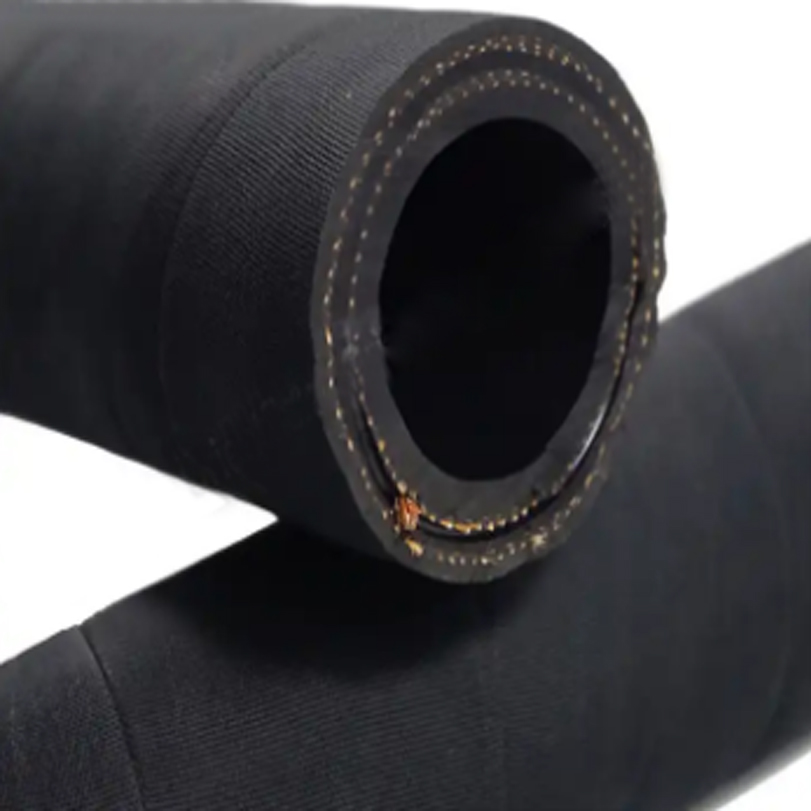
Hydraulic hose construction typically involves several layers, each contributing to its overall performance. The inner tube, in direct contact with the hydraulic fluid, is commonly composed of nitrile rubber (NBR), polyethylene (PE), or fluoropolymers like PTFE and FKM (Viton®). NBR offers good resistance to petroleum-based fluids, while PTFE provides superior chemical compatibility and temperature resistance. FKM offers excellent resistance to high temperatures and aggressive fluids. The reinforcement layer, providing the hose's strength and preventing bursting, is typically braided or spiraled with high-tensile steel wire, or synthetic fibers like aramid (Kevlar®). Steel wire offers higher pressure ratings, while aramid provides lighter weight and increased flexibility. The outer cover, protecting the reinforcement from abrasion, ozone, and UV degradation, is typically made of synthetic rubber compounds like SBR, EPDM, or polyurethane.
Manufacturing processes vary depending on hose type and construction. Inner tubes are often extruded using specialized rubber compounding techniques. Reinforcement layers are applied through braiding or spiraling machines, meticulously controlling wire tension and angle to ensure consistent strength. Outer covers are also extruded and bonded to the reinforcement layer using adhesives or vulcanization processes. Key parameter control during manufacturing includes rubber compound viscosity, wire tension, curing temperature and time, and dimensional accuracy. Quality control involves hydrostatic testing to verify burst pressure, impulse testing to assess fatigue resistance, and dimensional inspections to ensure compliance with specifications. Non-destructive testing, such as eddy current testing, can detect flaws in steel wire reinforcement.
Performance & Engineering
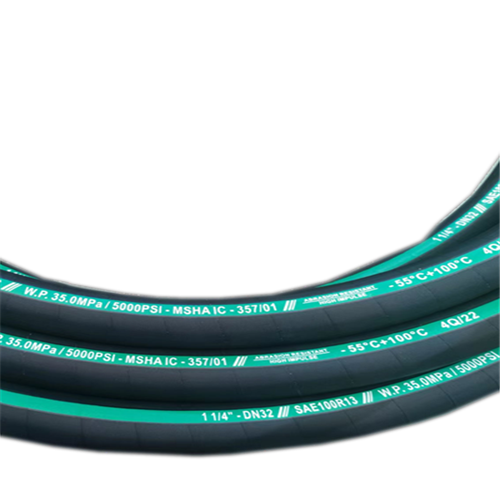
Hydraulic hose performance is dictated by several critical engineering considerations. Pressure rating, expressed in PSI or bar, is determined by the reinforcement layer's strength and the inner tube's ability to withstand internal pressure. Temperature range is defined by the rubber compound's properties, impacting flexibility and resistance to degradation. Fluid compatibility is crucial; incompatibility can lead to swelling, softening, or cracking of the inner tube. Hose flexibility, or bend radius, impacts ease of installation and prevents kinking, which can restrict flow and cause failure.
Force analysis involves calculating hoop stress within the hose wall under pressure. Finite Element Analysis (FEA) is frequently used to model stress distribution and optimize hose design. Environmental resistance includes resistance to ozone, UV radiation, oil, and chemicals. Compliance requirements, such as those specified by SAE (Society of Automotive Engineers) and EN (European Norms), dictate minimum performance standards and testing procedures. Functional implementation demands careful consideration of hose routing, fitting selection, and proper installation techniques to avoid strain and premature failure. Impulse pressure testing simulates the pulsating nature of hydraulic systems and assesses the hose’s ability to withstand cyclical loading without fatigue.
Technical Specifications
| Parameter | Unit | SAE 100R1 AT | SAE 100R2 AT |
|---|---|---|---|
| Working Pressure | PSI | 200 | 600 |
| Burst Pressure | PSI | 800 | 2400 |
| Temperature Range | °F | -40 to 212 | -40 to 212 |
| Inner Tube | Material | NBR | NBR |
| Reinforcement | Material | Braided Textile | Spiral Steel Wire |
| Cover | Material | EPDM | EPDM |
Failure Mode & Maintenance
Hydraulic hose failure can occur through several mechanisms. Fatigue cracking, caused by repeated pressure cycles, is a common failure mode, particularly in hoses subjected to high impulse pressures. Delamination, the separation of layers, can result from improper bonding during manufacturing or exposure to aggressive chemicals. Abrasion, caused by external contact with surfaces, can wear through the outer cover and expose the reinforcement. Ozone cracking, induced by exposure to ozone in the atmosphere, affects the rubber compounds. Kinking, resulting from excessive bending, restricts flow and can damage the inner tube. Internal degradation due to fluid incompatibility can cause swelling, softening, or cracking.
Preventive maintenance is crucial to extend hose life. Regular visual inspections should identify signs of abrasion, cracking, or kinking. Hose routing should avoid sharp bends and contact with hot surfaces or abrasive materials. Proper fitting selection and installation are critical to prevent strain and leaks. Fluid analysis can detect contamination or incompatibility. Hose replacement should be performed according to manufacturer recommendations or when signs of damage are observed. When replacing hoses, ensure compatibility with the hydraulic fluid and operating conditions. Store hoses in a cool, dry, dark environment to prevent degradation.
Industry FAQ
Q: What is the primary difference between a braided and spiral-wound hydraulic hose in terms of performance?
A: Braided hoses offer greater flexibility and are typically used in applications with tighter bend radii. They are generally suitable for lower pressure applications. Spiral-wound hoses, with their continuous winding of high-tensile wire, provide significantly higher pressure ratings and resistance to bursting, making them ideal for demanding applications like heavy equipment.
Q: How does temperature affect the performance of a hydraulic hose?
A: Temperature extremes can significantly impact hose performance. High temperatures can cause the rubber compounds to soften and degrade, reducing pressure rating and increasing the risk of failure. Low temperatures can reduce flexibility and increase the risk of cracking. It’s crucial to select a hose with a temperature range that matches the operating conditions.
Q: What is the importance of selecting the correct hydraulic fluid for a particular hose?
A: Fluid compatibility is paramount. Using an incompatible fluid can cause the inner tube to swell, soften, or crack, leading to leaks and premature failure. Always verify that the hose’s inner tube material is compatible with the hydraulic fluid being used.
Q: What are common causes of hose kinks and how can they be prevented?
A: Hose kinks occur when the hose is bent beyond its minimum bend radius, restricting flow and potentially damaging the inner tube. Prevention involves proper hose routing, avoiding sharp bends, and ensuring sufficient space for hose movement. Using hoses with a smaller bend radius specification can also help.
Q: What role does proper fitting installation play in extending hose life?
A: Improper fitting installation is a significant cause of hose failure. Overtightening can damage the hose end, while undertightening can lead to leaks. Fittings should be installed according to manufacturer’s specifications, using calibrated torque wrenches and proper sealing techniques.
Conclusion
Hydraulic hose performance is a complex interplay of material science, manufacturing precision, and engineering design. Selecting the appropriate hose for a specific application requires careful consideration of pressure rating, temperature range, fluid compatibility, and environmental factors. Understanding potential failure modes and implementing a robust preventative maintenance program are essential for maximizing hose lifespan and minimizing downtime.
As hydraulic systems become more sophisticated, advancements in hose technology will continue to emerge, focusing on materials with enhanced chemical resistance, improved fatigue life, and lighter weight constructions. Adherence to industry standards and best practices remains critical for ensuring safe and reliable operation. Regular evaluation of hose performance in real-world conditions and ongoing research into new materials and manufacturing processes will drive future innovation in this essential component of fluid power systems.