
Apr . 01, 2024 17:55 Back to list
Hydraulic Hose Manufacturer Manufacturers Performance Analysis

Introduction
Hydraulic hose assemblies are critical components in fluid power systems, facilitating the transmission of hydraulic fluid to actuators and other components. Their performance dictates system efficiency, reliability, and safety. This guide provides a comprehensive technical overview for hydraulic hose manufacturers, covering material science, manufacturing processes, performance characteristics, failure modes, and relevant industry standards. The industry faces persistent challenges related to hose longevity in demanding applications – particularly those involving high pressures, extreme temperatures, and exposure to corrosive fluids. Maintaining consistent quality and meeting increasingly stringent safety regulations are paramount concerns for manufacturers aiming to compete in the global market. Furthermore, the drive towards lighter-weight materials and improved flexibility continues to push the boundaries of hydraulic hose design and production.
Material Science & Manufacturing
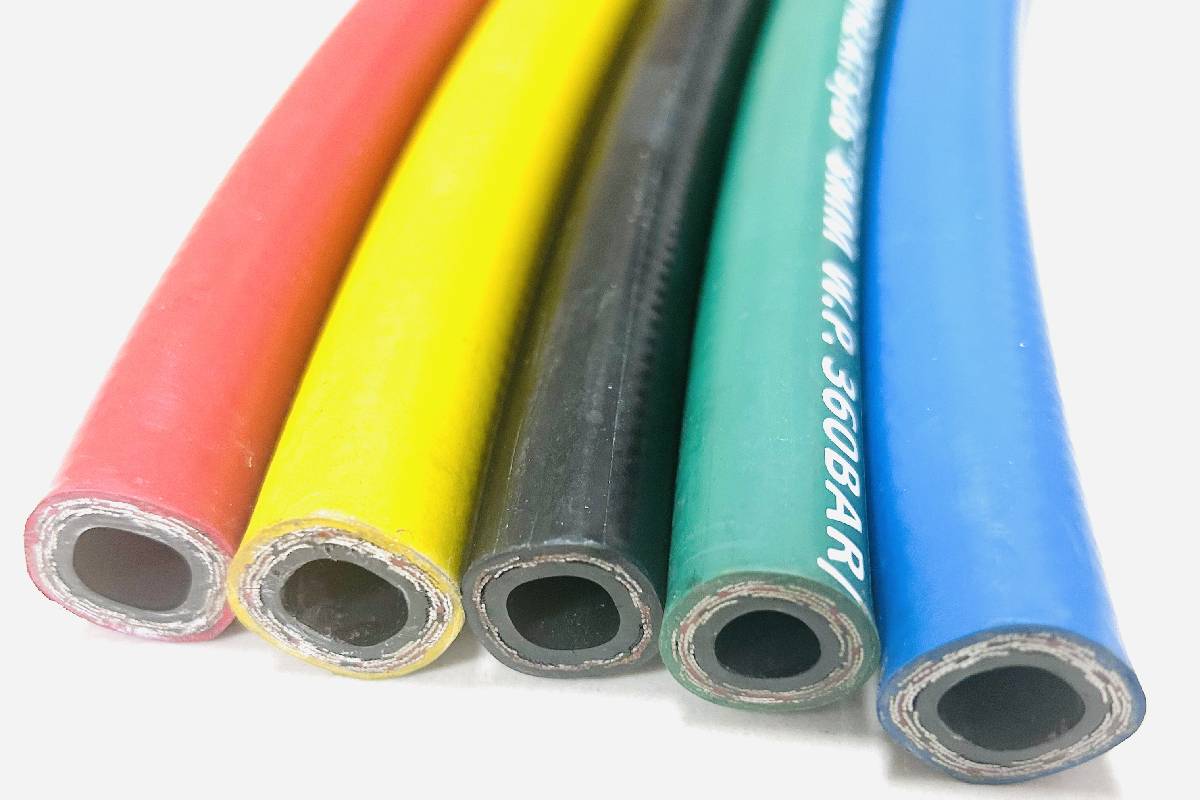
Hydraulic hoses are typically constructed of several layers, each contributing to specific performance characteristics. The innermost layer, or tube, is commonly composed of nitrile rubber (NBR), ethylene propylene diene monomer (EPDM), or polytetrafluoroethylene (PTFE), selected based on fluid compatibility and operating temperature. NBR offers excellent resistance to petroleum-based oils, while EPDM is preferred for phosphate ester fluids and high-temperature applications. PTFE provides superior chemical resistance but is more costly. The reinforcement layer, providing burst strength and pressure resistance, consists of multiple braids or spirals of high-strength steel wire, or synthetic fiber such as aramid (Kevlar). The number of layers and wire diameter determine the hose’s working pressure rating. Finally, the outer cover, typically made of synthetic rubber like chloroprene (Neoprene) or polyurethane, protects against abrasion, weathering, and oil degradation.
Manufacturing processes vary depending on hose type and construction. Tube extrusion is a continuous process where molten rubber is forced through a die to create a seamless inner tube. Reinforcement layers are applied via automated braiding or spiraling machines, ensuring precise and consistent coverage. Proper tension control during braiding is critical for maintaining dimensional stability and preventing distortion under pressure. The final assembly undergoes curing, a vulcanization process that chemically crosslinks the rubber compounds, imparting elasticity and durability. Parameter control during curing – including temperature, pressure, and time – is vital to achieving optimal material properties. Quality control throughout the process includes dimensional inspections, pressure testing (to 1.5 times the working pressure), and impulse testing to assess fatigue resistance. Specifically, wire surface finish and lubrication during braiding significantly influence braid pack density and therefore burst pressure.
Performance & Engineering
Hydraulic hose performance is governed by several key engineering principles. Burst pressure, a critical safety parameter, is determined by the tensile strength of the reinforcement layers and the tube’s ability to withstand internal pressure. Working pressure is a fraction of the burst pressure, typically defined as 50% or less, providing a safety factor. Hose flexibility is influenced by the tube and cover materials, as well as the braid angle. A tighter braid angle provides higher strength but reduces flexibility. Static and dynamic bend radii must be considered to prevent kinking and premature failure.
Environmental resistance is also a crucial aspect. Hydraulic hoses operating in harsh environments are susceptible to degradation from ozone, UV radiation, and exposure to corrosive chemicals. Selecting appropriate cover materials and adding UV stabilizers can mitigate these effects. Temperature range is another critical parameter; exceeding the specified operating temperature can cause rubber compounds to harden and lose elasticity, leading to leaks or failure. Furthermore, impulse testing, simulating pressure pulsations, is essential for evaluating fatigue life, particularly in applications with reciprocating compressors or hydraulic pumps. Finite Element Analysis (FEA) is increasingly used to optimize hose designs and predict performance under various loading conditions. Understanding the hose's response to both static and dynamic loads is paramount.
Technical Specifications
| Parameter | Unit | Typical Value (NBR/Steel Wire Braid) | Typical Value (PTFE/Aramid Braid) |
|---|---|---|---|
| Working Pressure | MPa | 20 | 35 |
| Burst Pressure | MPa | 80 | 140 |
| Temperature Range | °C | -40 to +100 | -60 to +260 |
| Minimum Bend Radius | mm | 4D (D = Hose ID) | 6D (D = Hose ID) |
| Tube Material | - | Nitrile Rubber (NBR) | Polytetrafluoroethylene (PTFE) |
| Reinforcement Material | - | Steel Wire Braid | Aramid Braid |
Failure Mode & Maintenance
Common failure modes in hydraulic hoses include burst failure due to exceeding pressure limits, kink failure caused by excessive bending, abrasion damage from external contact, and degradation of rubber compounds due to chemical exposure or weathering. Fatigue cracking, initiating from imperfections in the braid or tube, is a significant concern in high-impulse applications. Internal abrasion, caused by fluid contaminants, can also lead to tube wear and eventual failure. Failure analysis often reveals a combination of factors contributing to hose failure.
Preventative maintenance is crucial for extending hose life. Regular visual inspections should be conducted to identify signs of abrasion, cracking, or leaks. Proper hose routing and support are essential to prevent kinking and abrasion. Maintaining clean hydraulic fluid is paramount; using filters and regularly changing the fluid minimizes internal abrasion. Hose assemblies should be replaced at recommended intervals, even if no visible damage is present. Proper installation techniques, including using the correct fittings and torquing them to specification, are vital. When replacing hoses, ensure compatibility with the hydraulic fluid and operating conditions. Detailed records of hose replacement and maintenance should be maintained for traceability.
Industry FAQ
Q: What is the primary difference between a single wire braid hose and a two-wire braid hose in terms of pressure capacity?
A: A two-wire braid hose offers significantly higher pressure capacity compared to a single wire braid hose. The additional layer of reinforcement provides increased tensile strength, enabling it to withstand higher internal pressures and impulse pressures. Generally, a two-wire braid hose can handle pressures up to 70-80% higher than a comparable single-wire braid hose.
Q: How does temperature affect the lifespan of a hydraulic hose?
A: Extreme temperatures, both high and low, can drastically reduce the lifespan of a hydraulic hose. High temperatures accelerate rubber degradation, leading to hardening, cracking, and loss of flexibility. Low temperatures can cause rubber to become brittle and susceptible to cracking upon flexing. Exceeding the manufacturer’s specified temperature range will significantly shorten the hose’s service life.
Q: What are the key considerations when selecting a hose for exposure to corrosive fluids?
A: When handling corrosive fluids, the tube material is the most critical factor. PTFE offers the broadest chemical resistance, but is expensive. Other options include specialized blends of NBR or EPDM formulated for specific chemical environments. The hose cover should also be resistant to the fluid to prevent external degradation. It's essential to consult a chemical compatibility chart to ensure the hose material is compatible with the fluid being used.
Q: What is 'hose whip' and how can it be prevented?
A: Hose whip refers to the violent thrashing of a hose end after a fitting or hose ruptures due to excessive pressure. It is an extremely dangerous condition. Prevention involves using high-quality hoses and fittings rated for the system pressure, ensuring proper hose support to prevent kinking and abrasion, and installing safety restraints or hose guards to contain the whipping action.
Q: What role does proper fitting selection play in hydraulic hose assembly longevity?
A: Proper fitting selection is crucial. Fittings must be compatible with the hose type and rated for the system pressure and fluid. Incorrectly sized or incompatible fittings can cause leaks, reduce hose performance, and even lead to catastrophic failure. Using crimp-style fittings that are properly crimped to the hose is vital for a secure and reliable connection.
Conclusion
The successful manufacture of hydraulic hoses hinges on a thorough understanding of material science, precision manufacturing processes, and rigorous quality control. Selecting appropriate materials for the tube, reinforcement, and cover, coupled with meticulous attention to parameter control during extrusion, braiding, and curing, are fundamental to producing reliable and durable hose assemblies. Addressing the challenges of high pressure, extreme temperatures, and corrosive environments requires careful engineering and adherence to industry best practices.
The future of hydraulic hose technology will likely focus on lighter-weight materials, increased flexibility, and improved resistance to degradation. Advancements in material science and manufacturing techniques will enable the development of hoses capable of operating under even more demanding conditions. Continued investment in research and development, along with a commitment to stringent quality control, will be essential for hydraulic hose manufacturers to maintain a competitive edge in the global market.