
Apr . 01, 2024 17:55 Back to list
hydraulic hose made in china suppliers Performance Analysis
Introduction
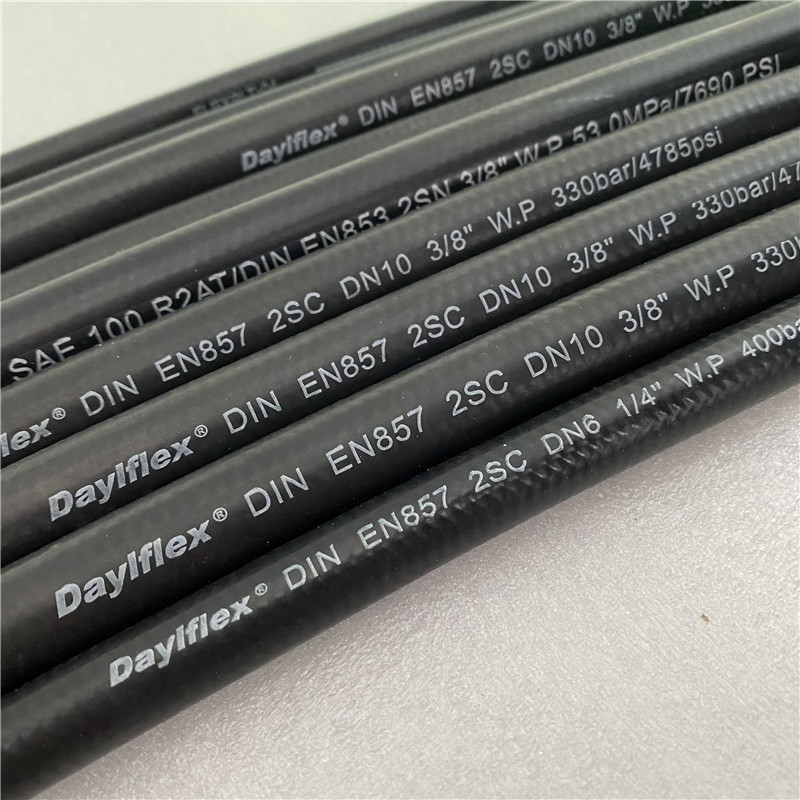
Hydraulic hose, manufactured by suppliers in China, forms a critical component in fluid power systems across a diverse range of industries, including construction, agriculture, mining, and manufacturing. These hoses transmit hydraulic fluid to actuators and other components, enabling the transmission of force and control of machinery. The Chinese manufacturing sector has become a significant global supplier of hydraulic hose, driven by factors such as competitive pricing, increasing production capacity, and advancements in manufacturing technologies. This guide provides an in-depth technical overview of hydraulic hose, focusing on material science, manufacturing processes, performance characteristics, failure modes, and relevant industry standards. A core pain point within the industry is ensuring consistent quality and adherence to international safety standards, particularly given the variability in supplier capabilities. Understanding the nuances of hose construction, material selection, and testing protocols is crucial for procurement managers and engineers alike. The proliferation of lower-cost options necessitates a thorough understanding of the trade-offs between price and performance to avoid premature failure and costly downtime.
Material Science & Manufacturing
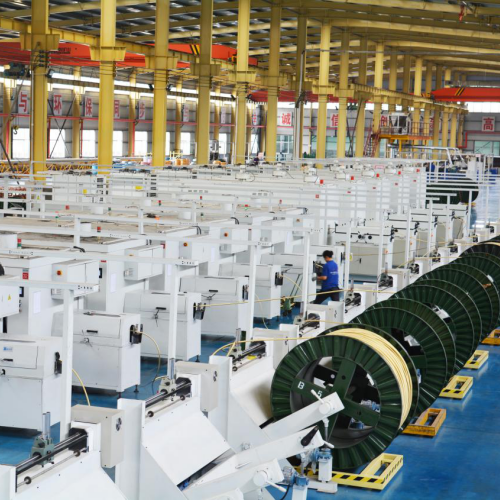
Hydraulic hose construction typically involves several layers: an inner tube, reinforcement layers, and an outer cover. The inner tube, which comes into direct contact with the hydraulic fluid, is commonly made from nitrile rubber (NBR) for its resistance to petroleum-based fluids, or fluorocarbon rubber (FKM/Viton) for higher temperature and chemical resistance. NBR offers good abrasion resistance and cost-effectiveness, however, its temperature range is limited (typically -40°C to +100°C). FKM provides superior performance at elevated temperatures (-20°C to +200°C) and with aggressive fluids, but is more expensive. Reinforcement layers are crucial for withstanding internal pressure. These layers typically consist of multiple braids or spirals of high-strength steel wire. The number and configuration of these layers directly influence the hose's pressure rating. Single wire braid hoses offer lower pressure capabilities, while spiral-wound hoses provide significantly higher pressure ratings. Outer covers are generally made from synthetic rubbers like chloroprene (CR) or polyurethane (PU) to provide abrasion, ozone, and weather resistance. Manufacturing processes involve extrusion of the inner tube and outer cover, followed by the application of reinforcement layers through braiding or winding machines. Critical parameters during manufacturing include consistent rubber compound mixing to ensure uniform material properties, precise control of braiding tension to maintain reinforcement integrity, and proper curing to achieve optimal rubber vulcanization. The selection of raw materials directly impacts hose performance; inferior rubber compounds can lead to premature degradation and failure. Chinese manufacturers are increasingly adopting automated production lines and rigorous quality control measures to meet international standards. The consistency of the steel wire used in the reinforcement layers is also a significant factor, with variations in tensile strength and surface finish impacting the hose's burst pressure.
Performance & Engineering
The performance of hydraulic hose is governed by several key engineering considerations. Burst pressure, working pressure, and impulse pressure are critical parameters. Burst pressure represents the maximum pressure the hose can withstand before failure, while working pressure is the recommended operating pressure, typically a fraction of the burst pressure (often 1/4). Impulse pressure refers to the hose’s ability to withstand pressure surges or spikes in the hydraulic system. These pressures are determined through rigorous testing, adhering to standards like SAE J517. Hose bend radius is another critical factor; exceeding the minimum bend radius can cause kinking, leading to flow restriction and eventual failure. Temperature range, as previously discussed, influences material selection and overall hose lifespan. Environmental factors such as exposure to ozone, UV radiation, and chemicals can also degrade hose materials over time. Finite element analysis (FEA) is commonly used in the design and engineering of hydraulic hose to simulate stress distributions under various loading conditions. This allows engineers to optimize hose construction and material selection to maximize performance and reliability. The hydraulic fluid compatibility is also vital; using incompatible fluids can cause swelling, softening, or degradation of the inner tube. Chinese manufacturers are increasingly focusing on improving hose performance through the adoption of advanced materials and manufacturing techniques. Considerations include fatigue life – the number of pressure cycles the hose can endure before failure – and resistance to abrasion in demanding applications. Proper hose routing and support are essential for maximizing service life; avoiding sharp bends, abrasion points, and excessive strain on connections are critical preventative measures.
Technical Specifications
| Parameter | SAE 100R1AT | SAE 100R2AT | DIN EN 853 1SN | DIN EN 857 2SN |
|---|---|---|---|---|
| Working Pressure (PSI) | 1500 | 2000 | 1500 | 2000 |
| Burst Pressure (PSI) | 4500 | 6000 | 4500 | 6000 |
| Temperature Range (°C) | -40 to +100 | -40 to +100 | -40 to +100 | -40 to +100 |
| Inner Tube | NBR | NBR | NBR | NBR |
| Reinforcement | Single Wire Braid | Double Wire Braid | Single Wire Braid | Double Wire Braid |
| Outer Cover | CR | CR | CR | CR |
Failure Mode & Maintenance
Hydraulic hose failure can occur due to various mechanisms. Pinholes in the inner tube are often caused by contamination in the hydraulic fluid or degradation of the rubber due to chemical incompatibility or temperature extremes. Reinforcement layer failure, such as wire breakage, is typically caused by fatigue from repeated pressure cycling or corrosion. Outer cover degradation, including cracking and abrasion, can lead to reinforcement exposure and subsequent corrosion. Kinking, as previously discussed, leads to localized stress concentration and potential rupture. Another common failure mode is hose twisting, which can restrict flow and damage the reinforcement. Failure analysis often involves visual inspection, microscopic examination of fracture surfaces, and chemical analysis of the hose materials. Preventative maintenance is crucial for maximizing hose lifespan and preventing catastrophic failures. Regular visual inspections should be conducted to identify signs of damage, such as cracks, abrasions, and leaks. Hose routing should be checked to ensure proper support and avoid sharp bends. Hydraulic fluid should be regularly analyzed for contamination and replaced as necessary. Hose connections should be inspected for tightness and corrosion. When replacing hoses, it's important to use hoses that are compatible with the hydraulic fluid and operating conditions. Chinese manufacturers are now offering hoses with improved fatigue resistance and corrosion protection, as well as providing detailed maintenance recommendations. Proper storage of hoses is also vital; they should be stored in a cool, dry place away from direct sunlight and ozone sources.
Industry FAQ
Q: What is the difference between SAE 100R1AT and SAE 100R2AT hoses, and when would I choose one over the other?
A: SAE 100R1AT hoses feature a single wire braid reinforcement, offering a working pressure of 1500 PSI. SAE 100R2AT hoses have a double wire braid, providing a higher working pressure of 2000 PSI. Choose 100R2AT for applications requiring higher pressure capabilities and greater safety margins, while 100R1AT is suitable for lower-pressure systems where cost is a primary concern.
Q: How important is hydraulic fluid compatibility, and what happens if I use the wrong fluid?
A: Hydraulic fluid compatibility is paramount. Using an incompatible fluid can cause the inner tube material to swell, soften, or degrade, leading to leaks, reduced hose lifespan, and potential system failure. Always consult the hose manufacturer's specifications to ensure fluid compatibility.
Q: What are the key factors to consider when selecting a hose for high-temperature applications?
A: For high-temperature applications, select a hose with an inner tube made from a material like FKM (Viton) that can withstand the operating temperature. Also, consider the outer cover material; it should resist heat degradation. Check the hose's temperature rating and ensure it exceeds the maximum operating temperature of the system.
Q: What are some common causes of hose kinking, and how can I prevent it?
A: Kinking is typically caused by exceeding the minimum bend radius of the hose. Prevent kinking by ensuring proper hose routing and support. Avoid sharp bends and use hose supports to maintain the hose's shape. Ensure the hose is not subjected to excessive twisting.
Q: What quality control measures should I look for when sourcing hydraulic hose from Chinese suppliers?
A: Look for suppliers with ISO 9001 certification, indicating a robust quality management system. Inquire about their testing procedures, including burst pressure testing, impulse testing, and material analysis. Request samples for independent testing to verify performance and compliance with industry standards.
Conclusion
Hydraulic hose selection and maintenance are critical for ensuring the reliability and safety of hydraulic systems. Understanding the materials science, manufacturing processes, and performance characteristics of hydraulic hose is essential for making informed procurement decisions. Chinese manufacturers have emerged as significant players in the global hydraulic hose market, offering competitive pricing and increasingly sophisticated products. However, it is vital to prioritize quality control and adherence to international standards when sourcing from these suppliers.
The ongoing development of new materials and manufacturing techniques promises to further improve the performance and durability of hydraulic hose. Future trends include the use of advanced polymers, improved reinforcement materials, and more sophisticated testing methodologies. By staying abreast of these developments, engineers and procurement managers can optimize their hydraulic systems for maximum efficiency and longevity. Continuous monitoring and preventative maintenance remain fundamental to preventing failure and maximizing the return on investment in hydraulic hose.