
Apr . 01, 2024 17:55 Back to list
hydraulic hose made in china supplier Performance Analysis
Introduction
Hydraulic hose, manufactured by Chinese suppliers, represents a critical component in fluid power systems across diverse industries, including construction, agriculture, manufacturing, and automotive. These hoses are engineered to transmit hydraulic fluid under high pressure, facilitating the operation of machinery and equipment. The Chinese hydraulic hose industry has rapidly expanded, offering a wide range of products catering to both domestic and international markets. Core performance characteristics include burst pressure, working pressure, temperature resistance, and fluid compatibility. A significant pain point in the industry is ensuring consistent quality control and adherence to international standards, coupled with supply chain reliability and competitive pricing. The focus of this guide is to provide a comprehensive technical overview of hydraulic hose construction, materials, performance, failure modes, and relevant industry standards, specifically concerning products sourced from China. We will delve into the nuances of production, quality control challenges, and best practices for selection and maintenance.
Material Science & Manufacturing
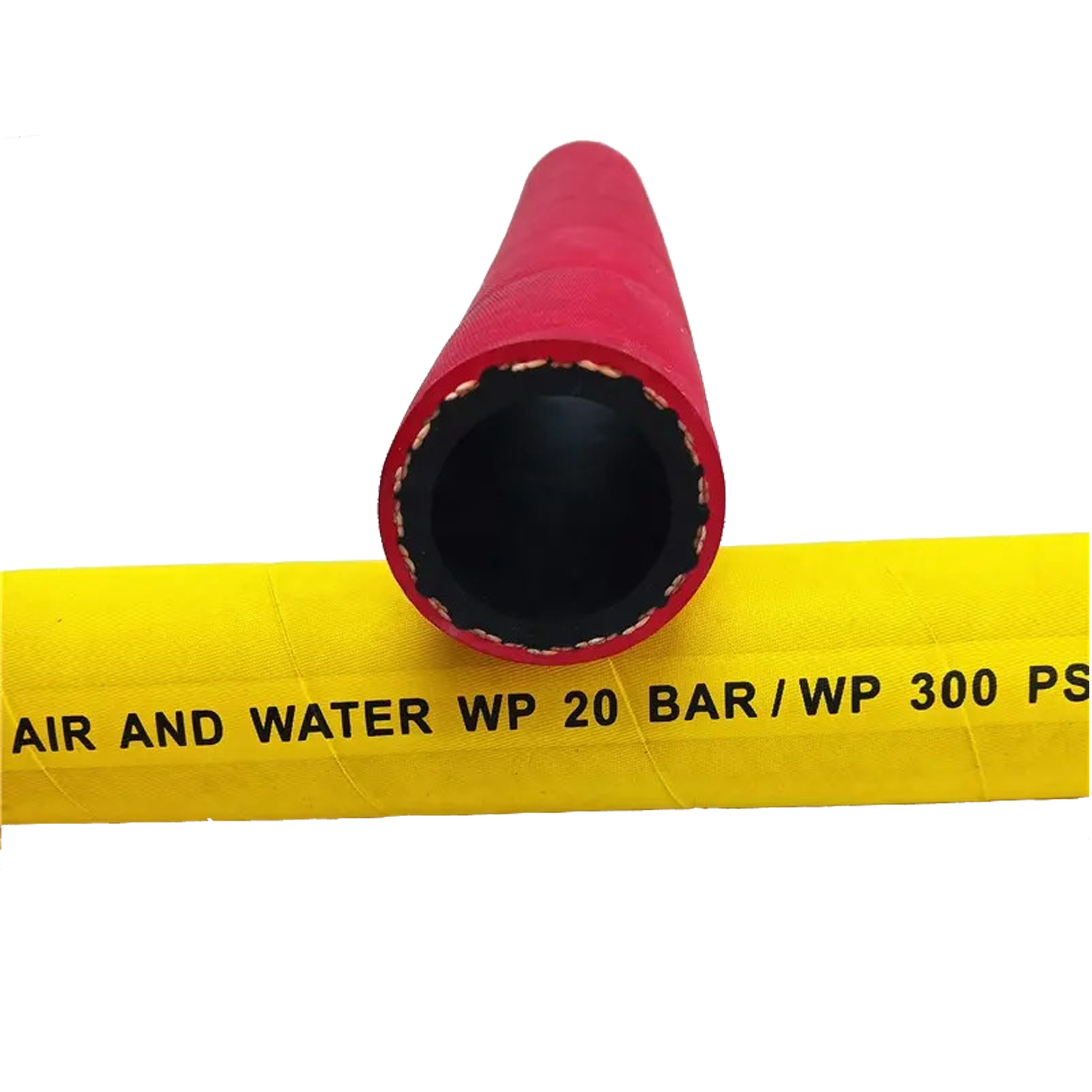
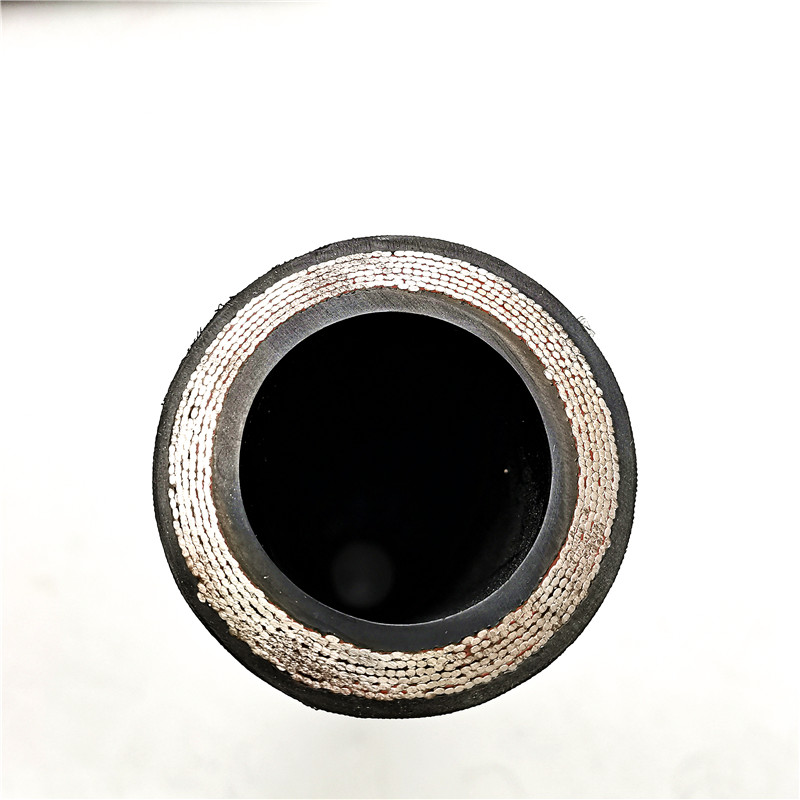
Hydraulic hose construction typically involves multiple layers, each contributing to specific performance attributes. The innermost layer, the tube, is commonly made from synthetic rubbers such as Nitrile (NBR), Ethylene Propylene Diene Monomer (EPDM), or Chlorinated Polyethylene (CPM), selected based on fluid compatibility. NBR offers excellent resistance to petroleum-based oils, while EPDM is preferable for phosphate ester fluids. CPM provides superior ozone and weather resistance. The reinforcement layer provides the hose’s strength and pressure resistance. Materials commonly used include multiple braids of high-strength steel wire (single, double, or spiral construction), or synthetic fiber braids like polyester or aramid. Spiral wire reinforcement provides higher pressure ratings than braided constructions. The outer cover protects the reinforcement layer from abrasion, weathering, and chemical attack, typically utilizing synthetic rubbers like NBR or a thermoplastic polyurethane (TPU). Key manufacturing processes include extrusion for the tube and cover, calendaring for reinforcement fabric coating, and spiral winding or braiding for reinforcement layers. Precise control of extrusion temperatures, pressures, and cooling rates is vital to achieve uniform tube thickness and consistent material properties. Steel wire used in reinforcement undergoes surface treatment (zinc coating or passivation) to prevent corrosion. Quality control during manufacturing emphasizes dimensional accuracy, material hardness, and adhesion between layers. A common issue with lower-cost Chinese suppliers is inconsistent rubber compound formulation, leading to reduced oil resistance and premature degradation. Adhesion testing is critical, utilizing peel tests to confirm bonding strength between layers.
Performance & Engineering
Hydraulic hose performance is dictated by its ability to withstand internal pressure, external damage, and environmental factors. Burst pressure, defined as the pressure at which the hose fails catastrophically, is a primary specification. Working pressure is typically a fraction (e.g., 1/4) of the burst pressure, representing the maximum safe operating pressure. Hose bend radius is crucial; exceeding the minimum bend radius introduces stress concentration and accelerates fatigue failure. Temperature resistance is another key parameter, with rubbers exhibiting varying performance at elevated or sub-zero temperatures. Fluid compatibility is paramount; incompatible fluids can cause swelling, softening, or degradation of the hose material, leading to leakage and failure. Finite Element Analysis (FEA) is frequently employed in the design process to model stress distribution within the hose under various loading conditions. Engineering considerations include selecting the appropriate reinforcement type (braid or spiral) based on pressure requirements, specifying the correct hose end fittings (crimped, threaded, or flanged) for secure connections, and implementing safety features like guard sleeves to protect against abrasion. A key engineering challenge when sourcing from China is verifying that advertised performance specifications accurately reflect actual performance, requiring independent testing and validation. Dynamic flex fatigue testing, simulating repeated bending and flexing, is vital to assess long-term reliability. Compliance requirements, such as those stipulated by SAE International (SAE J517 and SAE J1926), must be rigorously adhered to.
Technical Specifications
| Parameter | Unit | SAE 100R1AT | SAE 100R2AT |
|---|---|---|---|
| Working Pressure | MPa | 20.7 | 34.5 |
| Burst Pressure | MPa | 82.7 | 138.0 |
| Temperature Range | °C | -40 to +100 | -40 to +121 |
| Tube Material | - | NBR | NBR |
| Reinforcement | - | One Steel Wire Braid | Two Steel Wire Braids |
| Cover Material | - | NBR | NBR |
Failure Mode & Maintenance
Hydraulic hose failures can result in costly downtime, fluid leaks, and potential safety hazards. Common failure modes include: burst failures due to exceeding pressure limits; fatigue cracking from repeated bending and flexing; abrasion damage from external contact; oil permeation through the tube material; and degradation of the rubber due to exposure to heat, ozone, or incompatible fluids. Failure analysis often reveals root causes such as improper hose selection (insufficient pressure rating or incompatible fluid), incorrect installation (excessive bending or twisting), inadequate protection from external damage, or simply material aging. Preventive maintenance is critical. Regular visual inspections should be conducted to identify signs of abrasion, cracking, swelling, or leakage. Hose should be replaced based on a predetermined schedule or when signs of deterioration are observed. Proper hose routing is essential to minimize bending and twisting. Guard sleeves should be used to protect hoses from abrasion in high-wear areas. Crimped fittings should be inspected for proper crimp depth and integrity. Contamination of the hydraulic fluid can significantly accelerate hose degradation; therefore, maintaining clean fluid is crucial. Suppliers in China sometimes utilize lower-grade reinforcement materials or substandard rubber compounds, leading to accelerated fatigue failure and reduced service life, necessitating more frequent replacement. Implementing a rigorous quality control program and performing independent testing can mitigate these risks.
Industry FAQ
Q: What is the impact of steel wire quality on hydraulic hose performance, and how can I verify its consistency when sourcing from Chinese suppliers?
A: Steel wire quality directly affects the hose's burst pressure, fatigue life, and resistance to corrosion. Lower-quality steel can exhibit variations in tensile strength, ductility, and surface finish, leading to premature failure. Verification requires requesting material certificates (showing steel grade and chemical composition) and conducting independent testing of wire tensile strength and corrosion resistance. Consider a third-party inspection at the manufacturing facility to verify adherence to wire specifications.
Q: How does temperature affect the performance and lifespan of a hydraulic hose?
A: Temperature extremes significantly impact hose performance. High temperatures accelerate rubber degradation, reducing its flexibility and strength. Low temperatures can cause the rubber to become brittle and prone to cracking. Exceeding the specified temperature range can lead to a dramatic reduction in hose lifespan. Always select a hose rated for the expected operating temperature range and consider using hoses with specialized temperature-resistant compounds for extreme environments.
Q: What are the critical differences between braided and spiral-wound hydraulic hose, and which is better suited for high-pressure applications?
A: Braided hoses are constructed with multiple layers of woven wire, offering good flexibility and moderate pressure resistance. Spiral-wound hoses feature a single continuous wire wound at an angle around the tube, providing significantly higher pressure ratings. For high-pressure applications (above 3000 PSI), spiral-wound hoses are generally preferred due to their superior strength and burst resistance. However, they are less flexible than braided hoses.
Q: What is the significance of SAE J517 and SAE J1926, and how do they relate to hydraulic hose selection?
A: SAE J517 defines performance requirements for hydraulic hose, including pressure ratings, temperature range, and fluid compatibility. SAE J1926 specifies dimensions and end fitting configurations for hydraulic hose. Adhering to these standards ensures interchangeability and compatibility within hydraulic systems. When sourcing from China, verify that the hoses meet these standards through independent testing and certification.
Q: What steps can be taken to mitigate the risk of oil permeation through the hose tube, and what are the consequences of excessive permeation?
A: Oil permeation can lead to fluid loss, reduced system efficiency, and environmental contamination. Mitigating this risk involves selecting a hose with a tube material specifically compatible with the hydraulic fluid, ensuring the hose is not exposed to excessive pressure or temperature, and avoiding contact with incompatible chemicals. Consequences of excessive permeation include decreased system performance, environmental hazards, and potential fire risks.
Conclusion
Hydraulic hose sourced from Chinese suppliers offers a cost-effective solution for fluid power applications, but requires diligent attention to material quality, manufacturing processes, and adherence to international standards. Understanding the intricacies of hose construction, performance characteristics, and potential failure modes is paramount for ensuring reliable operation and minimizing downtime. Prioritizing rigorous quality control, independent testing, and proper maintenance practices are essential for maximizing hose lifespan and safeguarding system integrity.
Ultimately, selecting the correct hydraulic hose involves a comprehensive evaluation of application-specific requirements, including pressure, temperature, fluid compatibility, and environmental conditions. A proactive approach to quality assurance, coupled with a commitment to preventive maintenance, will significantly reduce the risk of failure and ensure the long-term reliability of hydraulic systems. Continued advancements in material science and manufacturing techniques will further enhance the performance and durability of hydraulic hose products available from Chinese suppliers.