
Apr . 01, 2024 17:55 Back to list
hydraulic hose made in china Performance Analysis
Introduction
Hydraulic hose manufactured in China represents a significant and increasingly dominant portion of the global fluid power conveyance market. These hoses are integral components in a wide range of industrial, mobile, and agricultural applications, transmitting pressurized hydraulic fluid to actuators and other components. Their technical position within the industry chain lies between the hydraulic pump/reservoir and the final hydraulic cylinder or motor. Core performance characteristics of these hoses are defined by working pressure, burst pressure, temperature range, fluid compatibility, and dimensional stability. The rapid growth in Chinese manufacturing capacity has led to both opportunities and challenges concerning quality control, material traceability, and adherence to international standards. A key pain point for end-users is ensuring consistent performance and reliability, particularly given variations in manufacturing processes and material sourcing. This guide provides an in-depth technical assessment of hydraulic hose originating from Chinese manufacturers, covering material science, manufacturing processes, performance characteristics, failure modes, and relevant standards.
Material Science & Manufacturing
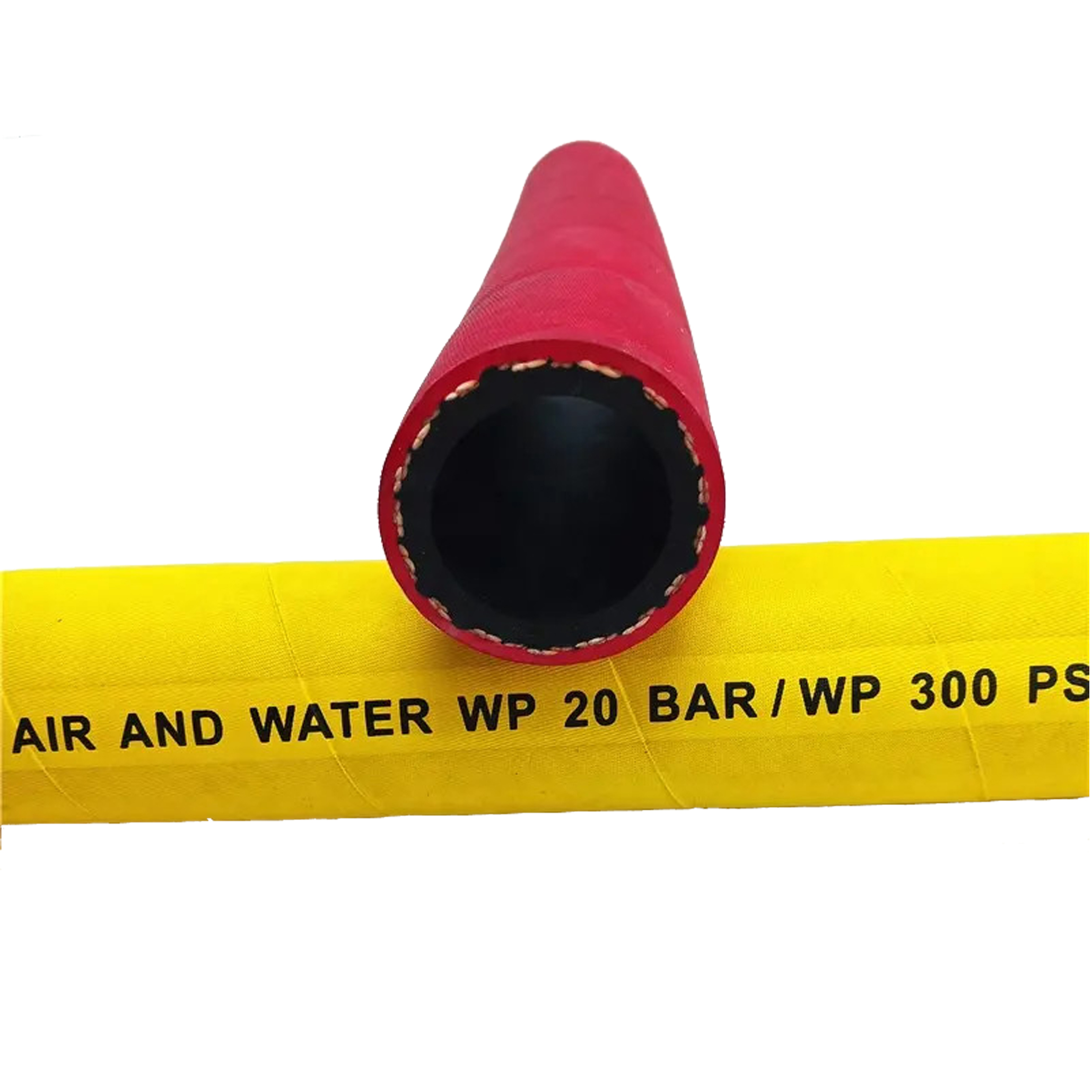
The construction of a hydraulic hose typically involves four key layers: the inner tube, reinforcement layer(s), outer cover, and sometimes an intermediate layer. The inner tube, which directly contacts the hydraulic fluid, is commonly composed of synthetic rubbers like nitrile (NBR), ethylene propylene diene monomer (EPDM), or fluorocarbon (FKM/Viton). NBR offers excellent resistance to petroleum-based hydraulic fluids but has limitations in high-temperature applications. EPDM is suited for phosphate ester fluids and provides good heat and ozone resistance. FKM provides superior resistance to aggressive fluids and extreme temperatures, but at a higher cost. The reinforcement layer(s) provide the pressure-bearing capacity of the hose and are generally constructed from high-tensile steel wire (single or multiple braids), spiral steel wire, or synthetic fiber braids (e.g., polyester or aramid). Steel wire reinforcement provides high pressure capability and abrasion resistance, but is heavier and less flexible. Fiber braids offer increased flexibility but lower pressure ratings. The outer cover protects the reinforcement layer from environmental factors and abrasion and is typically made of synthetic rubber like chloroprene (CR) or a blend of CR and NBR.
Manufacturing processes include extrusion of the inner tube and outer cover, followed by braiding or spiraling of the reinforcement layer. Critical parameter control during extrusion includes maintaining precise rubber compound formulations, consistent die temperatures, and proper curing times. Braiding requires precise tension control of the steel wire to ensure uniform reinforcement distribution. Quality control measures involve rigorous testing of material properties (tensile strength, elongation, hardness), dimensional accuracy, and adhesion between layers. A common manufacturing variation observed in Chinese production relates to the consistency of steel wire quality and the adherence to standardized braiding angles, which directly impact hose pressure ratings and fatigue life. The vulcanization process is also crucial; under-curing leads to reduced strength, while over-curing causes brittleness. Automated production lines are becoming increasingly common, improving consistency but requiring skilled maintenance personnel.
Performance & Engineering
Hydraulic hose performance is governed by several key engineering principles. Force analysis focuses on hoop stress within the hose walls due to internal pressure. The reinforcement layer bears the majority of this stress. The number and configuration of reinforcement layers directly affect the hose’s working and burst pressure capabilities. Environmental resistance is paramount; hoses must withstand temperature fluctuations, exposure to ultraviolet radiation, ozone, and corrosive fluids. Temperature significantly affects rubber elasticity and strength; exceeding specified temperature limits can lead to premature failure. Fluid compatibility is equally critical; incompatible fluids can cause swelling, degradation, or cracking of the inner tube.
Compliance requirements vary by region, but typically involve adherence to standards set by organizations like SAE International (SAE J517, SAE J1926) and the European Standards Committee (EN 853, EN 856). These standards specify performance criteria, testing procedures, and marking requirements. Detailed consideration must be given to the hose’s bend radius; exceeding the minimum bend radius induces stress concentration and reduces fatigue life. The hose end fitting connection is another critical area, requiring proper crimping to ensure a leak-free and mechanically secure joint. Improper crimping can lead to fitting slippage or hose burst. Fatigue life analysis, considering cyclic pressure loading and temperature variations, is vital for applications involving repeated operation.
Technical Specifications
| Parameter | SAE J517 100 R1 AT | SAE J517 100 R2 AT | EN 853 1SN |
|---|---|---|---|
| Working Pressure (PSI) | 1000 | 1500 | 200 |
| Burst Pressure (PSI) | 3000 | 4500 | 600 |
| Temperature Range (°F) | -40 to +212 | -40 to +212 | -40 to +100 |
| Inner Tube Material | NBR | NBR | NBR |
| Reinforcement | Single Steel Wire Braid | Two Steel Wire Braids | Single Steel Wire Spiral |
| Outer Cover Material | CR | CR | CR |
Failure Mode & Maintenance
Common failure modes in hydraulic hoses include burst, leakage, and degradation. Burst failures typically originate from exceeding the working pressure, fatigue cracking in the reinforcement layer, or damage to the inner tube. Leakage can occur at the hose ends due to improper crimping, damaged seals, or erosion of the inner tube. Degradation is often caused by exposure to incompatible fluids, extreme temperatures, or ultraviolet radiation, leading to cracking, swelling, or loss of elasticity. Fatigue cracking in steel wire reinforcement is a prevalent failure mode, particularly in applications involving cyclic pressure loading. Corrosion, especially in marine environments, can also weaken the reinforcement layer.
Preventive maintenance is crucial for extending hose life. Regular visual inspections should be conducted to identify signs of wear, damage, or leakage. Hoses should be replaced if they exhibit cracks, swelling, abrasion, or signs of reinforcement damage. Proper hose routing is essential to avoid kinking, abrasion, and excessive bending. Fluid contamination should be minimized through the use of filters and regular fluid analysis. Crimped fittings should be inspected for proper seating and tightness. When storing hoses, they should be protected from sunlight, heat, and ozone. Proper hose end selection and crimping procedures, following manufacturer’s specifications, are essential for preventing leaks and bursts. Periodic pressure testing can help identify hoses nearing the end of their service life.
Industry FAQ
Q: What are the key differences between a braided and a spiral hydraulic hose?
A: Braided hoses utilize multiple layers of interwoven steel wire, offering excellent resistance to kinking and higher working pressures for a given diameter. However, they are generally less flexible. Spiral hoses use a single continuous wire wound in a helical pattern, providing greater flexibility and higher flow rates but are more susceptible to kinking if bent excessively.
Q: How do I determine the correct hose pressure rating for my application?
A: The hose pressure rating must exceed the maximum system pressure, including any pressure spikes or surges. A safety factor of at least 4:1 is recommended. Consider the working temperature, fluid compatibility, and the presence of any external loads or vibrations.
Q: What is the significance of the 'AT' designation in SAE J517 standards?
A: The 'AT' designation indicates that the hose meets the requirements for dynamic applications, specifically resistance to hose twist under pressure. This is crucial in applications involving rotating equipment or frequent movement.
Q: What are the common causes of hose leakage at the fittings?
A: Common causes include improper crimping, damaged seals, corrosion of fittings, or incompatibility between the hose end and the fitting. Ensure the fitting is correctly sized and crimped according to the manufacturer’s specifications. Regularly inspect fittings for corrosion and replace damaged components.
Q: What precautions should I take when storing hydraulic hoses?
A: Store hoses in a cool, dry, and well-ventilated area away from direct sunlight, heat sources, and ozone-generating equipment. Cap the hose ends to prevent contamination. Avoid storing hoses that are tightly coiled or bent at sharp angles. Rotate stock to ensure older hoses are used first.
Conclusion
Hydraulic hose manufactured in China represents a complex market characterized by varying levels of quality and adherence to international standards. Understanding the material science, manufacturing processes, and performance characteristics of these hoses is critical for ensuring reliable operation and preventing premature failures. By prioritizing adherence to recognized standards (SAE, EN) and implementing robust quality control measures, end-users can mitigate risks associated with inconsistent manufacturing and ensure optimal performance.
The increasing adoption of automated manufacturing techniques and the growing emphasis on quality assurance within Chinese manufacturing facilities present opportunities for improved product consistency and reliability. Continued vigilance in material sourcing, process control, and thorough testing will be essential for establishing long-term confidence in hydraulic hose products originating from China. Ultimately, a comprehensive understanding of both the technical aspects and the supply chain dynamics is crucial for successful implementation in demanding industrial applications.