
Apr . 01, 2024 17:55 Back to list
hydraulic hose made in china manufacturers Performance Analysis
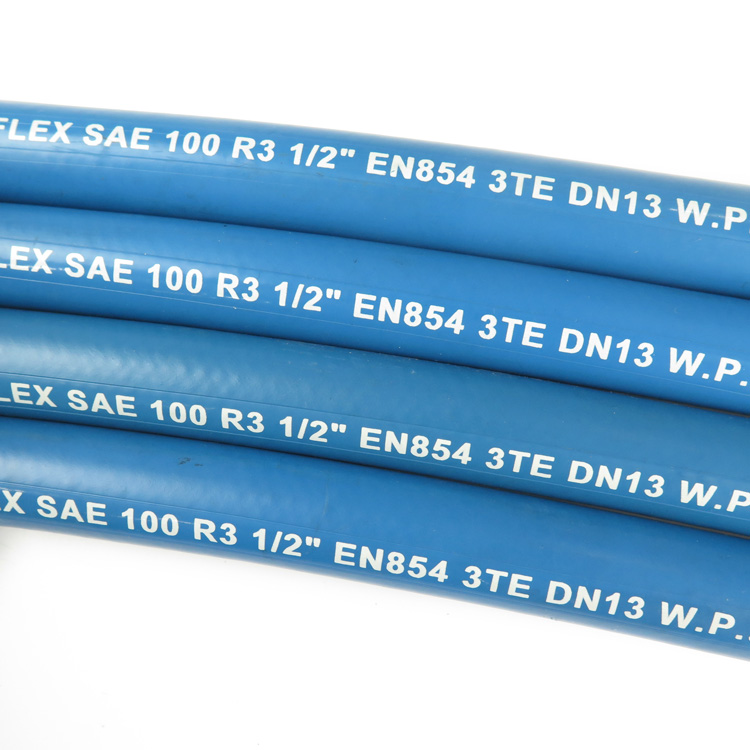
Introduction
Hydraulic hose, manufactured extensively in China, constitutes a critical component in fluid power systems across diverse industries including construction, agriculture, manufacturing, and automotive. These hoses are engineered to transmit hydraulic fluid under pressure, facilitating the operation of hydraulic machinery. The Chinese manufacturing base has become a dominant force in the global market due to its cost-effectiveness, increasing technological capabilities, and expanding production capacity. However, quality control, material consistency, and adherence to international standards remain key concerns for international procurement. This guide provides a comprehensive technical overview of hydraulic hose from Chinese manufacturers, covering material science, manufacturing processes, performance characteristics, failure modes, and relevant industry standards. Core performance is dictated by burst pressure, working pressure, temperature range, and fluid compatibility, directly impacting system reliability and operational safety. Understanding these aspects is crucial for informed procurement decisions and ensuring optimal system performance.
Material Science & Manufacturing
Hydraulic hoses are typically constructed from multiple layers, each serving a specific purpose. The innermost layer, the tube, is generally made of synthetic rubbers such as nitrile (NBR), ethylene propylene diene monomer (EPDM), or fluorocarbon (FKM/Viton) selected for their compatibility with the intended hydraulic fluid. NBR offers good abrasion resistance and oil resistance for general-purpose applications. EPDM provides superior resistance to heat, ozone, and weathering, making it suitable for outdoor use and demanding environments. FKM delivers exceptional resistance to high temperatures, aggressive chemicals, and fuels, typically employed in aerospace or specialized industrial applications. The reinforcement layer, crucial for pressure resistance, utilizes high-tensile strength materials like steel wire (single or multi-spiral), aramid fiber (Kevlar), or polyester yarn. Steel wire reinforcement offers the highest pressure capabilities, while aramid fiber provides a lighter-weight alternative with good flexibility. The outer cover, providing environmental protection and abrasion resistance, is commonly made of synthetic rubber like chloroprene (Neoprene) or polyurethane.
Manufacturing processes involve several critical steps. The tube is extruded through a die to achieve the desired inner diameter and wall thickness. Reinforcement layers are spirally wound or braided onto the tube, with precise tension control paramount to ensure uniform pressure resistance. The cover is then extruded over the reinforcement layer. Vulcanization, a chemical process involving heating with sulfur or peroxides, crosslinks the rubber polymers, enhancing their strength, elasticity, and resistance to degradation. Key parameters requiring strict control during manufacturing include rubber compound formulation, extrusion temperature and pressure, reinforcement layer winding tension, and vulcanization time and temperature. Chinese manufacturers are increasingly employing automated extrusion and braiding equipment to improve consistency and reduce defects. However, variations in raw material quality and process control remain significant challenges that demand robust quality assurance procedures.

Performance & Engineering
The performance of hydraulic hose is fundamentally governed by its ability to withstand internal pressure without failure. Burst pressure, typically tested hydrostatically, represents the maximum pressure the hose can endure before rupture. Working pressure is significantly lower, generally 50-75% of burst pressure, providing a safety factor. Hose selection necessitates careful consideration of the system's operating pressure, temperature range, and fluid compatibility. Force analysis is critical in designing hose assemblies, accounting for bending stresses, internal pressure, and external loads. Excessive bending, particularly at tight radii, can induce fatigue cracking. Environmental resistance is another vital performance attribute. Exposure to ozone, ultraviolet radiation, extreme temperatures, and corrosive fluids can degrade the rubber compounds, leading to premature failure. Compliance with industry standards, such as SAE J517 and EN 853, ensures that hoses meet minimum performance requirements. These standards specify test methods for pressure rating, temperature range, impulse pressure, and fluid resistance. Chinese manufacturers are progressively aligning their production processes with international standards, but discrepancies in testing procedures and quality control protocols remain a potential concern.
Engineering considerations extend to hose end fitting selection and assembly. Fittings must be compatible with the hose material and designed to withstand the applied pressure and torque. Incorrectly crimped fittings can compromise the hose's integrity, leading to leakage or catastrophic failure. Finite Element Analysis (FEA) is increasingly used to optimize hose assembly designs and predict stress concentrations under various loading conditions. Furthermore, impulse pressure – the repetitive pressure surges within a hydraulic system – necessitates the use of hoses with sufficient dynamic fatigue resistance to prevent premature failure due to cyclical loading.
Technical Specifications
| Parameter | SAE J517 R1AT | SAE J517 R2AT | EN 853 1SN | EN 853 2SN |
|---|---|---|---|---|
| Working Pressure (PSI) | 1500 | 2000 | 1500 | 2250 |
| Burst Pressure (PSI) | 4500 | 6000 | 4500 | 6750 |
| Temperature Range (°F) | -40 to 212 | -40 to 212 | -40 to 212 | -40 to 212 |
| Reinforcement | Single Steel Wire Braid | Double Steel Wire Braid | Single Steel Wire Braid | Double Steel Wire Braid |
| Tube Material | NBR (Nitrile Rubber) | NBR (Nitrile Rubber) | NBR (Nitrile Rubber) | NBR (Nitrile Rubber) |
| Cover Material | Neoprene | Neoprene | Neoprene | Neoprene |
Failure Mode & Maintenance
Hydraulic hose failures can stem from various factors. Fatigue cracking, caused by repeated bending and pressure cycling, is a common failure mode, particularly in hoses subjected to dynamic loads. Delamination, the separation of reinforcement layers from the tube or cover, results from poor bonding during manufacturing or degradation of the bonding agent. Abrasion, caused by external contact with abrasive surfaces, gradually wears away the outer cover, exposing the reinforcement layers. Chemical attack, resulting from incompatibility with the hydraulic fluid, leads to swelling, cracking, and loss of elasticity. Oxidation, induced by exposure to oxygen and ozone, degrades the rubber compounds, reducing their strength and flexibility. Improper installation, such as over-bending or incorrect fitting crimping, introduces stress concentrations that accelerate failure.
Preventive maintenance is crucial for extending hose lifespan and preventing catastrophic failures. Regular visual inspections should identify signs of abrasion, cracking, swelling, or leakage. Pressure testing, conducted periodically, verifies the hose’s ability to withstand operating pressures. Hose assemblies should be replaced at recommended intervals, regardless of visual condition, as rubber compounds degrade over time. Proper storage, shielded from sunlight, ozone, and extreme temperatures, minimizes degradation. When replacing hoses, ensure compatibility with the hydraulic fluid and system operating parameters. In the event of a hose failure, a thorough failure analysis should be conducted to identify the root cause and prevent recurrence. This includes examining the fracture surface, assessing fluid compatibility, and evaluating installation practices.
Industry FAQ
Q: What are the key differences in quality between hydraulic hoses manufactured in China versus those from established Western manufacturers?
A: Historically, Western manufacturers held an advantage in raw material consistency and stringent quality control. However, Chinese manufacturers have made significant strides in recent years. The primary difference now lies in process control and traceability. Western manufacturers typically offer more comprehensive traceability documentation and adhere to stricter quality assurance protocols. While many Chinese manufacturers now meet basic international standards, the level of documentation and independent verification can vary considerably. Price is also a significant differentiator, with Chinese hoses generally being more cost-effective.
Q: How can I ensure the hydraulic hose I'm sourcing from China meets required safety standards?
A: Insist on third-party certification to recognized standards like ISO 9001, SAE, or EN. Request detailed test reports for each batch, including burst pressure, working pressure, and impulse pressure testing. Conduct independent audits of the manufacturer's facilities to verify quality control processes. Clearly specify all technical requirements and acceptance criteria in your purchase agreement.
Q: What is the typical lead time for hydraulic hose orders from Chinese manufacturers?
A: Lead times vary depending on the complexity of the order, the manufacturer's production schedule, and shipping logistics. Standard hose sizes and configurations typically have lead times of 2-4 weeks. Custom hoses or large-volume orders may require 6-8 weeks or longer. It’s essential to factor in potential delays due to port congestion and shipping disruptions.
Q: What types of rubber compounds are commonly used in Chinese-manufactured hydraulic hoses, and what are their limitations?
A: Nitrile (NBR) is the most common, offering good oil resistance but limited temperature range. EPDM is frequently used for outdoor applications needing ozone and weathering resistance. PVC is used in low-pressure applications. Limitations often arise from variations in raw material quality; some Chinese manufacturers may use lower-grade compounds that exhibit reduced durability or chemical resistance. Specifying the rubber compound’s grade and requesting certification of its composition are crucial.
Q: What are the potential long-term cost implications of choosing cheaper hydraulic hoses from China versus investing in higher-quality alternatives?
A: While cheaper hoses offer upfront cost savings, they may lead to increased long-term costs due to shorter lifespan, more frequent replacements, and potential downtime resulting from failures. Higher-quality hoses, although more expensive initially, provide greater reliability, reduced maintenance requirements, and lower overall cost of ownership. A life cycle cost analysis, factoring in replacement frequency, downtime costs, and safety risks, is essential for making an informed decision.
Conclusion
Hydraulic hose manufacturing in China has evolved rapidly, presenting both opportunities and challenges for global procurement. While cost-effectiveness remains a primary driver, a comprehensive understanding of material science, manufacturing processes, performance characteristics, and potential failure modes is essential for ensuring reliable and safe operation. Focusing solely on price without adequate quality control and due diligence can lead to premature failures, increased downtime, and potential safety hazards.
The increasing adoption of international standards by Chinese manufacturers is a positive trend, but independent verification and robust quality assurance procedures remain critical. By prioritizing technical specifications, demanding third-party certification, and conducting thorough supplier audits, procurers can mitigate risks and leverage the benefits of the Chinese hydraulic hose market. Careful consideration of the hose's intended application, operating environment, and lifecycle costs is paramount to making informed decisions that optimize system performance and minimize long-term expenses.