
Apr . 01, 2024 17:55 Back to list
hydraulic hose made in china factory Performance Analysis

Introduction
Hydraulic hose manufactured in China represents a significant portion of the global market, serving a diverse range of industries including construction, agriculture, mining, and manufacturing. These hoses are engineered to convey hydraulic fluid under high pressure, facilitating power transmission in hydraulic systems. The technical position within the industry chain lies between the raw material suppliers (rubber, steel, synthetic polymers) and the end-users operating hydraulic machinery. Core performance characteristics center around pressure rating, burst pressure, impulse resistance, temperature range, and fluid compatibility. A key challenge for users is discerning quality levels amongst a broad range of Chinese manufacturers, and understanding how these hoses conform to international safety and performance standards. This guide provides a comprehensive technical overview of hydraulic hose production, material science, performance parameters, failure modes, and maintenance practices specifically relating to hoses originating from Chinese factories.
Material Science & Manufacturing
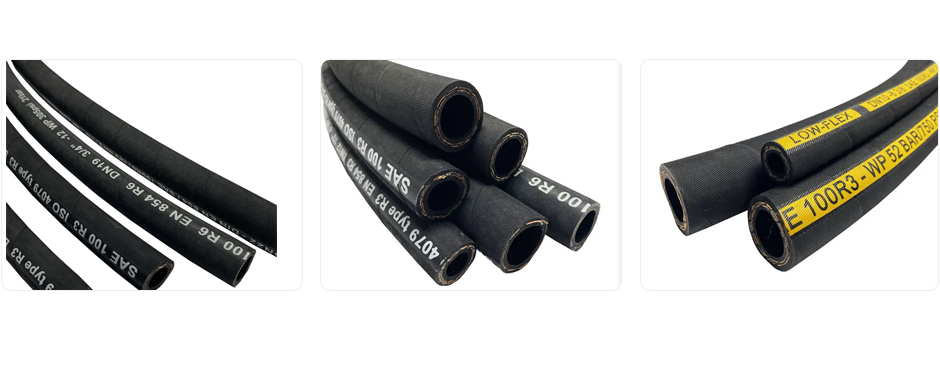
Hydraulic hose construction typically involves multiple layers of materials. The inner tube, which comes into direct contact with the hydraulic fluid, is commonly composed of synthetic rubbers such as nitrile (NBR), ethylene propylene diene monomer (EPDM), or fluorocarbon (FKM/Viton). NBR provides excellent resistance to petroleum-based hydraulic fluids, while EPDM excels in phosphate ester fluid compatibility and high-temperature applications. FKM offers superior resistance to a wider range of chemicals and extreme temperatures but is significantly more expensive. Reinforcement layers are crucial for pressure containment and typically consist of high-tensile steel wire, spiraled or braided. The number and configuration of these layers dictate the hose's working and burst pressure. An outer cover, usually made of chloroprene (CR) or polyurethane (PU), provides protection against abrasion, weathering, ozone, and oil.
Manufacturing processes vary depending on hose type and complexity. For spiral-wound hoses, continuous strips of reinforcing wire are spiraled around a mandrel, and rubber is extruded simultaneously to encapsulate the wire. Braided hoses utilize a textile or steel braid woven around the inner tube. The extrusion process itself requires precise control of temperature, pressure, and screw speed to ensure uniform material distribution and avoid defects like voids or inconsistencies in wall thickness. Quality control in Chinese factories often focuses on incoming raw material inspection (rubber batch testing, steel wire tensile strength verification), in-process dimensional checks, and final hydrostatic testing (burst pressure verification). A critical area for improvement in some Chinese manufacturing facilities is consistent adherence to process parameters and robust traceability systems.
Performance & Engineering
Hydraulic hose performance is governed by several key engineering principles. Tensile strength, measured in MPa or PSI, indicates the hose’s resistance to stretching under load. Elongation at break determines the ductility of the material. Impulse resistance, often tested using impulse testers that apply cyclic pressure fluctuations, assesses the hose's ability to withstand pressure surges without failure. Environmental resistance encompasses factors like ozone degradation, UV exposure, and resistance to chemical attack. Temperature range is critical, as rubber compounds lose flexibility and can crack at low temperatures, while high temperatures accelerate degradation.
Force analysis in hydraulic hose design focuses on hoop stress (stress acting circumferentially within the hose wall) and longitudinal stress (stress acting along the hose length). Hoop stress is directly proportional to pressure and hose radius, dictating the required reinforcement layer strength. Compliance requirements vary by region and application. For example, SAE J517 standards (Society of Automotive Engineers) define performance specifications for hydraulic hose used in mobile equipment. ISO standards (International Organization for Standardization) provide a broader framework for hydraulic system components. Proper hose routing is essential to prevent kinking, abrasion, and excessive bending, all of which can compromise performance and lead to premature failure. End fitting selection is also paramount, as mismatches can create stress concentrations and leakage points.
Technical Specifications
| Parameter | Unit | Typical Value (Chinese Manufacture - Standard Grade) | Typical Value (Chinese Manufacture - Premium Grade) |
|---|---|---|---|
| Working Pressure | MPa | 20 | 35 |
| Burst Pressure | MPa | 60 | 105 |
| Temperature Range | °C | -40 to +100 | -40 to +120 |
| Reinforcement Type | - | 2 Wire Braid | 4/6 Spiral Wire |
| Inner Tube Material | - | NBR | FKM |
| Outer Cover Material | - | CR | PU |
Failure Mode & Maintenance
Common failure modes in hydraulic hose include burst failure (due to exceeding pressure limits), impulse failure (caused by pressure surges), abrasion (resulting from external contact), kinking (restricting flow and causing localized stress), and chemical degradation (due to fluid incompatibility). Fatigue cracking can occur over time due to cyclic loading and flexing. Delamination, the separation of hose layers, often indicates material incompatibility or manufacturing defects. Oxidation of the rubber compound leads to hardening and loss of flexibility. Internal corrosion can occur if the hydraulic fluid becomes contaminated with water or corrosive particles.
Preventative maintenance is crucial for extending hose life and preventing catastrophic failures. Regular visual inspections should identify signs of abrasion, kinking, cracking, or swelling. Hose routing should be optimized to minimize stress and avoid contact with hot surfaces or sharp edges. Hydraulic fluid should be regularly analyzed for contamination and maintained within the manufacturer's specifications. Hose assemblies should be replaced at recommended intervals, even if they appear visually sound. When replacing hoses, ensure that the new hose meets or exceeds the original specifications and that the end fittings are properly crimped and compatible with the hydraulic system. Proper storage of hoses is also important, keeping them away from direct sunlight, ozone sources, and extreme temperatures.
Industry FAQ
Q: What is the typical lead time for large volume orders of hydraulic hose from Chinese factories?
A: Lead times vary significantly depending on the hose specifications, order volume, and factory capacity. Generally, standard hoses with readily available materials can be shipped within 30-45 days. Complex hoses with specialized materials or custom fittings may require 60-90 days or longer. It’s crucial to secure confirmed production schedules and establish clear communication channels with the factory to mitigate potential delays.
Q: How do Chinese hydraulic hose manufacturers typically address quality control and traceability?
A: Quality control practices vary widely. Reputable manufacturers implement ISO 9001 quality management systems, conduct incoming raw material inspection, in-process dimensional checks, and final hydrostatic testing. Traceability often relies on batch numbers and material certificates. However, some smaller factories may have less rigorous quality control procedures. Thorough factory audits and pre-shipment inspections are highly recommended.
Q: What are the key differences in pricing between standard and premium hydraulic hose manufactured in China?
A: Premium hoses command higher prices due to superior materials (e.g., FKM inner tube, PU cover, higher tensile steel wire), more robust construction (e.g., 6-spiral reinforcement), and stricter quality control. The price difference can range from 20% to 100% or more, depending on the specific specifications. The value proposition lies in increased durability, extended service life, and reduced risk of failure.
Q: What certifications should I look for when sourcing hydraulic hose from China?
A: Essential certifications include ISO 9001 (quality management system), ISO 14001 (environmental management system), and relevant product certifications such as CE marking (European Conformity) or SAE J517 compliance. Documentation verifying material compliance with RoHS (Restriction of Hazardous Substances) and REACH (Registration, Evaluation, Authorisation and Restriction of Chemicals) regulations is also important.
Q: What is the typical minimum order quantity (MOQ) for hydraulic hose from Chinese factories?
A: MOQs vary significantly depending on the hose specifications and factory. Standard hoses may have MOQs as low as 500-1000 pieces per size, while custom hoses or those with specialized materials may require MOQs of 3000-5000 pieces or higher. Negotiating MOQ terms is often possible, particularly for long-term partnerships.
Conclusion
Hydraulic hose manufactured in China presents a cost-effective solution for a wide range of applications, but careful consideration must be given to quality control, material selection, and adherence to international standards. Understanding the underlying material science, manufacturing processes, and potential failure modes is essential for making informed procurement decisions and ensuring long-term system reliability. By prioritizing reputable manufacturers, conducting thorough inspections, and implementing proactive maintenance programs, users can mitigate risks and maximize the performance and lifespan of hydraulic hose sourced from China.
The future of hydraulic hose manufacturing in China is focused on innovation, sustainability, and increased automation. Expect to see advancements in rubber compound technology, reinforcement materials, and manufacturing processes that improve hose performance and reduce environmental impact. Enhanced traceability systems and stricter adherence to quality standards will further enhance the competitiveness of Chinese manufacturers in the global market. Continued due diligence and a focus on technical specifications will remain critical for successful sourcing of hydraulic hose from this important region.