
Apr . 01, 2024 17:55 Back to list
hydraulic hose jic fittings Performance Analysis
Introduction
Hydraulic hose JIC fittings are critical components in fluid power systems, serving as the interface between flexible hydraulic hoses and rigid piping or equipment. JIC (Joint Industry Council) fittings, defined by SAE J514, represent a standardized 37-degree flared fitting widely employed in hydraulic applications demanding reliable, leak-free connections. Their prevalence stems from their robust design, relatively easy assembly compared to other fitting types, and widespread availability. This guide provides an in-depth exploration of hydraulic hose JIC fittings, encompassing material science, manufacturing processes, performance characteristics, potential failure modes, maintenance procedures, and relevant industry standards. Core performance characteristics revolve around pressure rating, leak resistance, and compatibility with hydraulic fluids. A key industry pain point is ensuring proper torque application during assembly to prevent leaks or damage to the fitting; under-torque leads to leakage, while over-torque can strip threads or distort the flare.
Material Science & Manufacturing
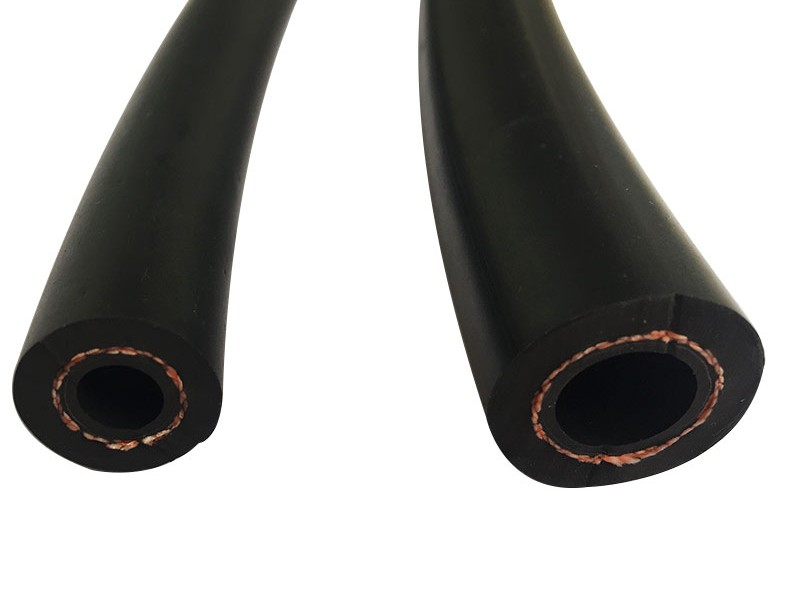
JIC fittings are commonly manufactured from carbon steel (typically 1045 steel), alloy steel, or stainless steel (304 or 316). Carbon steel offers high strength and cost-effectiveness, but is susceptible to corrosion. Alloy steels provide enhanced strength and toughness. Stainless steel delivers superior corrosion resistance, making it ideal for applications involving harsh environments or corrosive fluids. The manufacturing process begins with bar stock which is then machined to the desired shape. A critical step is the flare process. The end of the fitting is formed into a 37-degree flare using a specialized flaring tool. Precise control of the flaring angle and surface finish is essential for achieving a leak-proof seal. Thread formation, often achieved through CNC machining or rolling, must adhere to SAE J1926 standards for JIC threads. Surface treatments, such as zinc plating or passivation (for stainless steel), are often applied to enhance corrosion resistance. The rubber hoses are typically reinforced with multiple layers of high-tensile steel wire encased in a synthetic rubber compound (NBR, EPDM, or CPE) tailored for compatibility with specific hydraulic fluids. Material compatibility is paramount; incompatible rubber compounds can swell, degrade, or crack, leading to hose failure. Parameter control during hose extrusion and curing is crucial for achieving consistent wall thickness and mechanical properties.

Performance & Engineering
The performance of JIC fittings is primarily dictated by their pressure rating, which is determined by the material strength, fitting geometry, and thread engagement. Engineering analysis focuses on stress concentration at the flare junction and thread root. Finite Element Analysis (FEA) is commonly used to optimize fitting design and validate pressure capacity. Fatigue life is another crucial consideration, particularly in applications involving cyclic loading. The 37-degree flare provides a mechanical advantage, distributing the clamping force over a larger area and enhancing sealing performance. Environmental resistance, including resistance to temperature fluctuations, UV exposure, and chemical attack, is also critical. Hydraulic fluid compatibility must be rigorously evaluated; incompatible fluids can cause swelling, degradation, or cracking of the rubber hose and/or the metallic components. Compliance requirements are dictated by industry standards such as SAE J514 (for fittings) and SAE J189 (for hoses), as well as relevant safety regulations. Force analysis during assembly is critical – proper torque ensures adequate seating of the flare without exceeding the material yield strength.
Technical Specifications
| Parameter | Carbon Steel (SAE J514 - 1045 Steel) | Stainless Steel (SAE J514 - 304) | Stainless Steel (SAE J514 - 316) | Hose Working Pressure (PSI) - Example 1/2" ID Hose |
|---|---|---|---|---|
| Material | 1045 Carbon Steel | 304 Stainless Steel | 316 Stainless Steel | 2500 PSI (dependent on hose construction) |
| Thread Type | JIC (SAE J1926) | JIC (SAE J1926) | JIC (SAE J1926) | Burst Pressure (PSI) - Example 1/2" ID Hose |
| Flare Angle | 37 Degrees | 37 Degrees | 37 Degrees | 7500 PSI (dependent on hose construction) |
| Temperature Range (°F) | -40 to 250 | -40 to 500 | -40 to 600 | Minimum Bend Radius (inches) - Example 1/2" ID Hose |
| Tensile Strength (PSI) | 70,000 | 90,000 | 80,000 | 6 inches (dependent on hose construction) |
| Corrosion Resistance | Low (Requires Protective Coating) | Good | Excellent | Hose ID (inches) |
Failure Mode & Maintenance
Common failure modes for JIC fittings include thread stripping due to over-torque, flare face damage from improper assembly or contamination, leakage caused by insufficient thread engagement or damaged seals, and corrosion leading to material degradation. Fatigue cracking can occur in high-cycle applications, particularly at stress concentration points. Hose failure modes include bursting due to exceeding pressure limits, kinking due to excessive bending, abrasion from external contact, and degradation of the rubber compound due to chemical attack or UV exposure. Preventive maintenance is critical. Regular visual inspections should be conducted to identify signs of corrosion, damage, or leakage. Torque values should be verified during assembly and re-assembly. Threads should be cleaned and lubricated with a compatible hydraulic fluid before installation. Damaged or corroded fittings should be replaced immediately. Hoses should be inspected for cracks, abrasions, and swelling. Proper hose routing and support are essential to prevent kinking and abrasion. Regular fluid analysis can detect contamination or degradation of the hydraulic fluid, which can accelerate component wear and failure.
Industry FAQ
Q: What is the impact of using an incorrect torque value when assembling a JIC fitting?
A: Using an incorrect torque value can lead to significant problems. Under-torquing results in inadequate seating of the flare, causing leakage. Over-torquing can strip the threads, distort the flare face, and weaken the fitting, also leading to leakage or catastrophic failure. Always adhere to the manufacturer's recommended torque specifications.
Q: How does the choice of hose material affect the compatibility with different hydraulic fluids?
A: The hose material must be chemically compatible with the hydraulic fluid. NBR (Nitrile Butadiene Rubber) is suitable for petroleum-based fluids, while EPDM (Ethylene Propylene Diene Monomer) is often used for phosphate ester fluids. CPE (Chlorinated Polyethylene) offers good resistance to a wide range of fluids. Incompatibility can cause swelling, degradation, and ultimately, hose failure.
Q: What are the best practices for preventing corrosion in carbon steel JIC fittings?
A: Corrosion can be mitigated through several methods. Applying a protective coating, such as zinc plating, provides a barrier against corrosive elements. Using corrosion inhibitors in the hydraulic fluid can also help. Regular inspection and cleaning are crucial, and promptly addressing any signs of corrosion is vital to prevent further degradation.
Q: What is the significance of the 37-degree flare angle in JIC fittings?
A: The 37-degree flare angle provides a mechanical advantage by distributing the clamping force over a larger area. This results in a more secure and leak-resistant seal compared to other flare angles. It also provides a robust connection that can withstand high pressures and vibrations.
Q: What standards govern the testing and qualification of JIC fittings and hoses?
A: SAE J514 governs the dimensions, materials, and performance requirements for JIC fittings. SAE J1926 specifies the thread standards for JIC connections. SAE J189 outlines the performance requirements for hydraulic hoses, including pressure testing, burst testing, and fatigue testing. These standards ensure the reliability and safety of hydraulic systems.
Conclusion
Hydraulic hose JIC fittings are indispensable components in hydraulic systems, requiring careful consideration of material selection, manufacturing precision, and proper installation. Understanding the nuances of their design, performance characteristics, and potential failure modes is paramount for ensuring system reliability and safety. Maintaining stringent quality control throughout the entire process, from raw material sourcing to final assembly and preventative maintenance, is crucial for maximizing the lifespan and performance of these critical connections.
Future trends are likely to focus on the development of lighter-weight materials, improved corrosion resistance, and more sophisticated sealing technologies. Advancements in non-destructive testing (NDT) methods will allow for more accurate detection of defects and proactive maintenance. Ultimately, a holistic approach that integrates robust engineering design, meticulous manufacturing, and diligent maintenance practices will be essential for optimizing the performance and longevity of hydraulic hose JIC fittings in demanding industrial applications.