
Apr . 01, 2024 17:55 Back to list
Hydraulic Hose Fitting Performance Analysis
Introduction
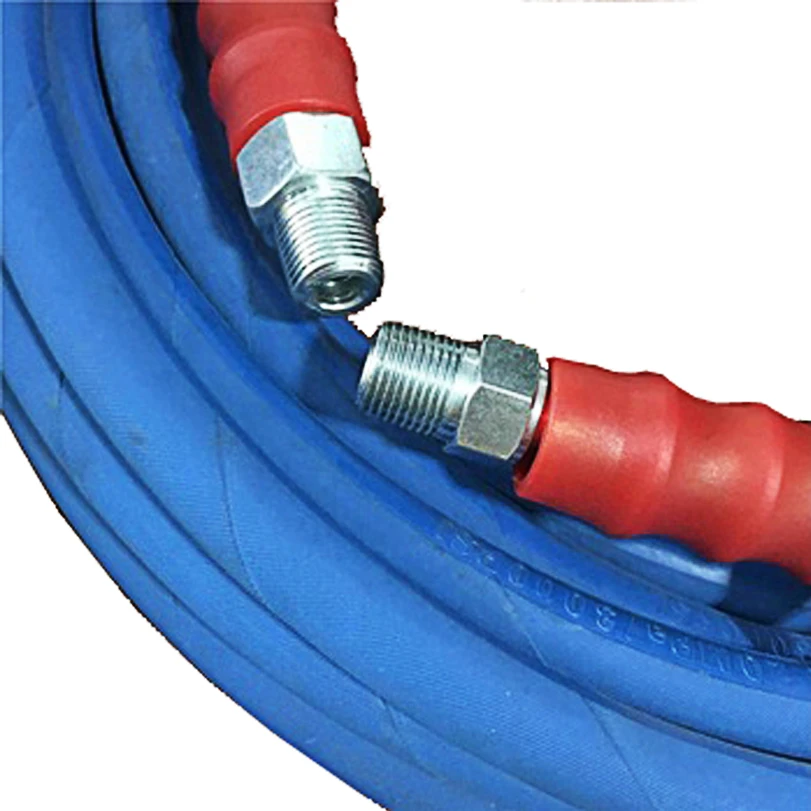
Hydraulic hose fittings are critical components within fluid power systems, responsible for securely connecting hydraulic hoses to machinery, equipment, and other components. These fittings are not merely adapters; they are engineered junctions designed to withstand extreme pressures, temperatures, and dynamic stresses inherent in hydraulic applications. Their technical position in the industry chain lies between hose manufacturing and the final machine assembly, dictating system reliability and safety. Core performance characteristics include pressure rating, leak-tightness, fatigue resistance, and compatibility with the hydraulic fluid being conveyed. The selection of an appropriate fitting is paramount, as improper selection can lead to catastrophic system failure. This guide provides an in-depth exploration of hydraulic hose fitting technology, encompassing material science, manufacturing processes, performance engineering, failure modes, and industry standards.
Material Science & Manufacturing
Hydraulic hose fittings are commonly manufactured from carbon steel, alloy steel, stainless steel (typically 304 or 316), and brass. Carbon steel is prevalent due to its cost-effectiveness and high strength, but it requires protective coatings to prevent corrosion. Alloy steels, incorporating elements like chromium and molybdenum, offer improved strength and toughness. Stainless steel provides exceptional corrosion resistance, making it ideal for harsh environments. Brass fittings are used in low-pressure applications where corrosion is a concern, but their strength is limited.
Manufacturing processes vary depending on the fitting type and material. Forging is frequently used for higher-pressure fittings, creating a dense, strong structure. Machining follows forging to achieve precise dimensions and threading. Cold drawing is utilized for seamless fittings, enhancing the material’s tensile strength. Threading, whether NPT, BSP, or SAE, is a critical operation requiring stringent quality control to ensure proper sealing. Surface treatments, such as zinc plating, nickel plating, or passivation (for stainless steel), are applied to enhance corrosion resistance. Heat treatment processes, like quenching and tempering, are employed to optimize the mechanical properties of steel fittings. Key parameter control involves maintaining precise dimensional tolerances, thread accuracy, and surface finish quality. The material’s yield strength, tensile strength, and hardness are meticulously monitored throughout the process. For example, NPT threads require a specific helix angle and thread depth to ensure a pressure-tight seal. Incorrect threading can lead to leakage and potential failure.
Performance & Engineering
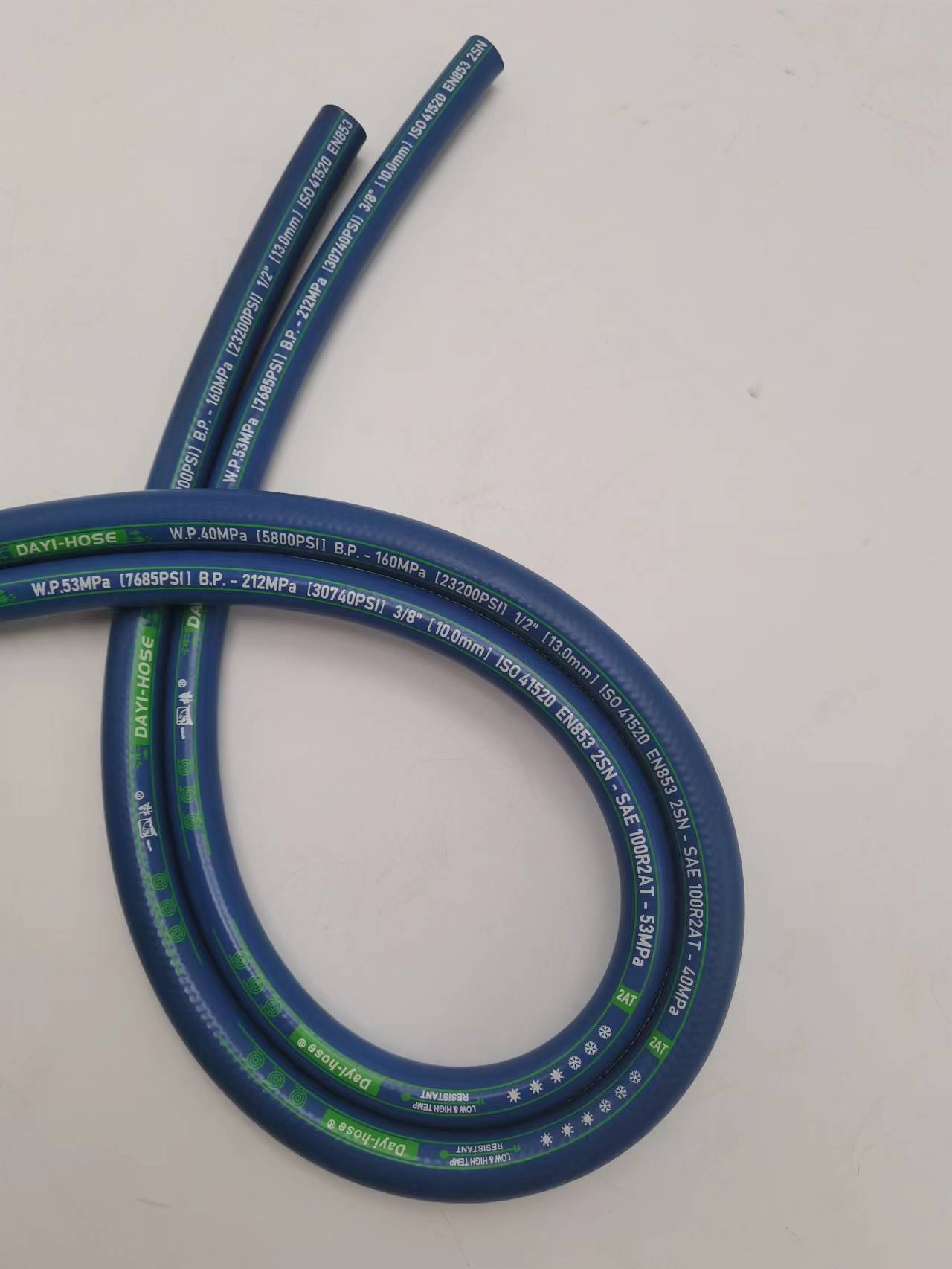
The performance of hydraulic hose fittings is governed by several engineering principles. Force analysis is crucial, particularly in determining the fitting’s ability to withstand internal pressure and external loads. The hoop stress within the fitting body increases linearly with pressure and is directly related to the fitting’s wall thickness and diameter. Fatigue analysis is essential, particularly in applications involving cyclic loading and vibration. Fittings are subjected to repeated stress cycles, and the material's fatigue limit must be exceeded to prevent cracking. Environmental resistance is another critical factor. Exposure to corrosive fluids, extreme temperatures, and UV radiation can degrade the fitting material, leading to failure. Compliance requirements, such as those mandated by SAE J518, dictate specific performance criteria, including burst pressure, pressure impulse, and temperature range. The functional implementation requires consideration of the hose’s end connection type (crimped, field-attachable, etc.) and the fitting’s compatibility with the hose material. Improper compatibility can lead to slippage or damage to the hose reinforcement. Furthermore, the flow characteristics through the fitting must be optimized to minimize pressure drop and turbulence. Sharp bends and restrictions within the fitting can significantly reduce system efficiency.
Technical Specifications
| Parameter | Unit | Steel Fitting (High Pressure) | Stainless Steel Fitting (Corrosion Resistant) |
|---|---|---|---|
| Maximum Working Pressure | PSI | 6,000 | 5,000 |
| Burst Pressure | PSI | 24,000 | 20,000 |
| Temperature Range | °F | -40 to 350 | -65 to 500 |
| Thread Type | - | NPT, BSP, SAE J1926-1 | NPT, BSP, SAE J1926-1 |
| Material | - | Carbon Steel (AISI 1045) | 316 Stainless Steel |
| Tensile Strength | PSI | 75,000 | 90,000 |
Failure Mode & Maintenance
Hydraulic hose fitting failures are often attributed to several factors. Fatigue cracking, induced by cyclic loading, is a common failure mode, particularly in high-pressure applications. Corrosion, both galvanic and pitting, can weaken the fitting material, leading to leakage or rupture. Over-tightening can damage the threads, creating stress concentrations and increasing the risk of failure. Improper installation, such as incorrect torque or misalignment, can also contribute to premature failure. Erosion, caused by abrasive particles in the hydraulic fluid, can wear away the fitting material, reducing its strength. Delamination, in the case of plated fittings, occurs when the coating separates from the base material. Oxidation, especially at elevated temperatures, can degrade the material’s properties. Maintenance is crucial for preventing failures. Regular visual inspections should be conducted to check for signs of corrosion, cracks, or leaks. Fittings should be periodically torqued to the manufacturer’s specifications. Hydraulic fluid should be maintained at a suitable cleanliness level to minimize erosion. Damaged or corroded fittings should be replaced immediately. Preventative maintenance programs should include regular fitting replacement based on service life and operating conditions.
Industry FAQ
Q: What is the difference between NPT and BSP threads and why is choosing the correct one critical?
A: NPT (National Pipe Tapered) and BSP (British Standard Pipe) are different thread standards. NPT threads are tapered, creating a seal through interference, while BSP threads can be tapered or parallel, requiring a sealing tape or washer for a leak-tight connection. Using the wrong thread type will result in leakage, potential damage to the fitting, and system failure. The taper angles and thread pitch differ significantly between the two standards.
Q: How does temperature affect the performance of hydraulic hose fittings?
A: Temperature significantly impacts fitting performance. High temperatures can reduce the material’s yield strength and tensile strength, increasing the risk of failure. Low temperatures can cause the material to become brittle, making it susceptible to cracking. Extreme temperature fluctuations can induce thermal stress, leading to fatigue. Fittings are typically rated for a specific temperature range, and exceeding these limits can compromise their integrity.
Q: What are the common causes of corrosion in hydraulic hose fittings?
A: Common causes include exposure to moisture, corrosive hydraulic fluids, and dissimilar metals (galvanic corrosion). Salt spray, humidity, and chemical contaminants can accelerate corrosion. Using incompatible materials in the system can create a galvanic cell, leading to accelerated corrosion of the less noble metal. Proper material selection and protective coatings are essential for preventing corrosion.
Q: What is the role of surface finish in hydraulic hose fitting performance?
A: Surface finish affects the fitting’s resistance to corrosion, wear, and leakage. A smoother surface finish reduces friction and improves the seal. A rough surface finish can trap contaminants and accelerate corrosion. Electropolishing or passivation are often used to create a smooth, corrosion-resistant surface finish on stainless steel fittings.
Q: What torque specifications should be followed when installing hydraulic hose fittings?
A: Torque specifications are crucial for ensuring a leak-tight connection without damaging the threads. Over-tightening can strip the threads, while under-tightening can lead to leakage. Torque specifications are typically provided by the fitting manufacturer and depend on the thread size, material, and lubrication. Using a calibrated torque wrench is essential for accurate torque control.
Conclusion
Hydraulic hose fittings are essential for the safe and reliable operation of hydraulic systems. Their selection, installation, and maintenance demand a thorough understanding of material science, manufacturing processes, and engineering principles. The complexities surrounding pressure ratings, thread compatibility, and environmental resistance require careful consideration to mitigate failure risks and maximize system longevity.
Future advancements in fitting technology will likely focus on the development of lighter-weight materials, improved corrosion resistance, and smarter fitting designs incorporating sensor technology for real-time monitoring of performance and condition. Continued adherence to industry standards and best practices is critical for ensuring the continued safety and efficiency of hydraulic systems globally.