
Apr . 01, 2024 17:55 Back to list
Hydraulic Hose Fitting Manufacturer Suppliers Performance Analysis
Introduction
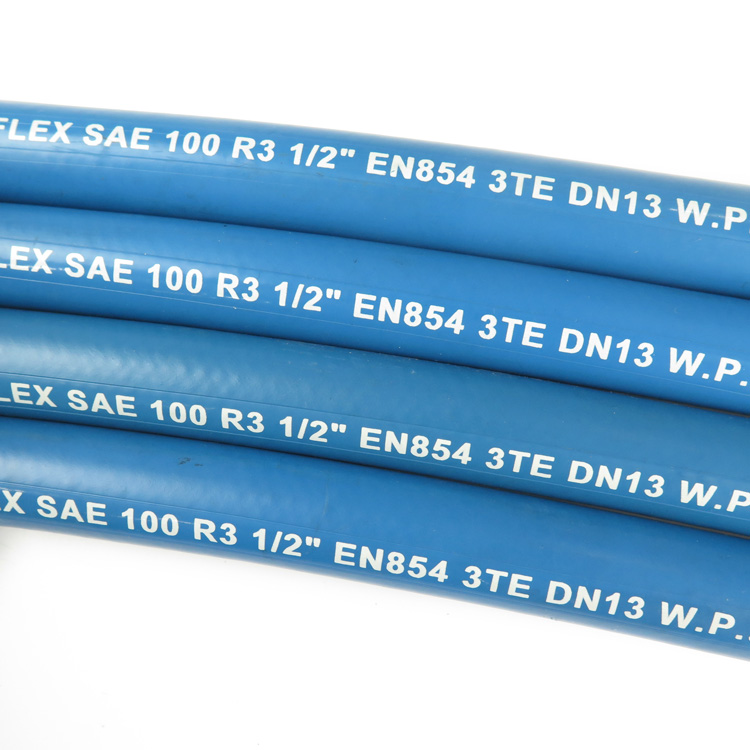
Hydraulic hose fittings are critical components in fluid power systems, providing secure and leak-proof connections for the transmission of hydraulic fluid. As suppliers to industries ranging from construction and agriculture to aerospace and manufacturing, hydraulic hose fitting manufacturers play a vital role in ensuring the safe and efficient operation of heavy machinery and industrial equipment. This guide provides an in-depth technical overview of hydraulic hose fitting manufacturing, encompassing material science, production processes, performance characteristics, potential failure modes, and relevant industry standards. The current industry faces challenges related to increasingly demanding operating pressures, corrosion resistance requirements due to evolving hydraulic fluids, and the need for lighter-weight, high-strength materials. Furthermore, traceability and compliance with stringent safety regulations are paramount concerns for procurement managers and engineers alike. This document aims to address these pain points by providing a comprehensive technical resource for informed decision-making.
Material Science & Manufacturing
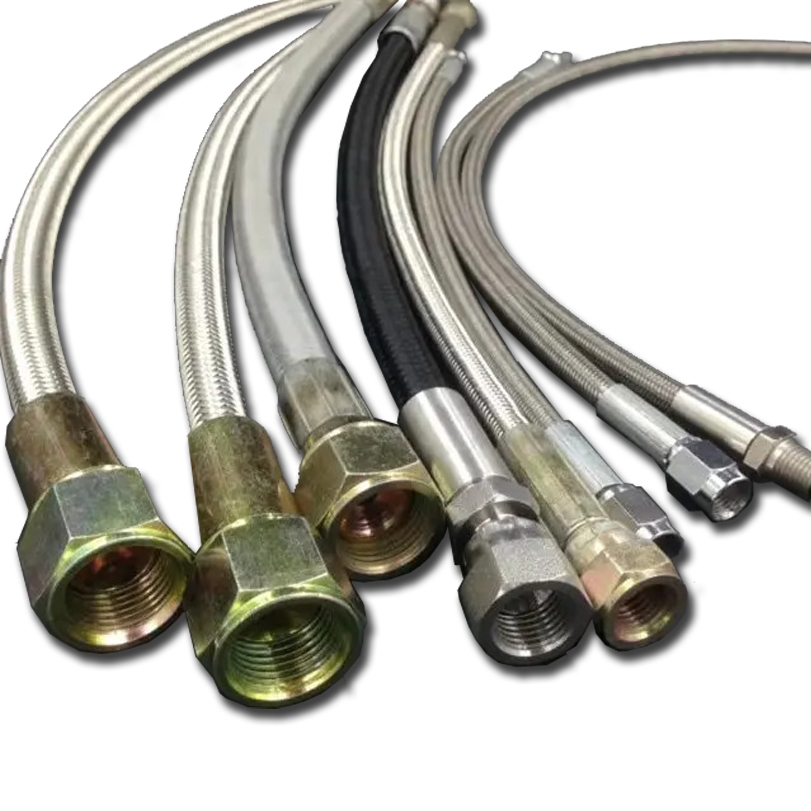
The selection of materials for hydraulic hose fittings is dictated by the required pressure rating, fluid compatibility, and operating temperature. Common materials include carbon steel (SAE 1020, 4140), alloy steel, stainless steel (304, 316), and brass. Carbon steel offers a cost-effective solution for lower-pressure applications, while alloy steels provide increased strength and toughness. Stainless steel is preferred for corrosive environments and applications requiring hygienic conditions. Brass fittings are often utilized for low-pressure systems due to their excellent corrosion resistance to certain fluids. Manufacturing processes vary depending on the fitting type and material. Forging is prevalent for high-pressure fittings, providing superior grain structure and strength. Machining, including CNC turning and milling, is employed for precise dimensional control and complex geometries. Welding processes, such as Gas Tungsten Arc Welding (GTAW) and Gas Metal Arc Welding (GMAW), are utilized to join components. Critical parameters during welding include pre-heat temperature, welding current, and shielding gas composition to prevent porosity and ensure weld integrity. Surface treatments, such as zinc plating, nickel plating, or passivation, are applied to enhance corrosion resistance. Quality control is essential throughout the manufacturing process, including non-destructive testing (NDT) methods like liquid penetrant inspection and ultrasonic testing to identify defects. Material certification, confirming adherence to relevant standards (ASTM, EN), is a crucial element in supply chain management.
Performance & Engineering
The performance of hydraulic hose fittings is fundamentally governed by their ability to withstand internal pressure, external loads, and environmental stresses. Finite Element Analysis (FEA) is commonly used during the design phase to optimize geometry and predict stress distribution under various loading conditions. Burst pressure testing, conducted according to SAE J514 or ISO 3766 standards, determines the maximum pressure a fitting can withstand before failure. Fatigue testing assesses the fitting’s resistance to cyclic loading, a critical factor in applications involving vibration and pulsating pressures. Thread engagement length and torque specifications are crucial for ensuring a leak-free seal. Improper torque can lead to either loosening of the fitting or damage to the threads. Environmental resistance is another key consideration. Fittings exposed to harsh environments may require specialized coatings or materials to prevent corrosion, oxidation, and degradation. Compatibility with hydraulic fluids, including mineral oils, synthetic fluids, and water-glycol mixtures, must be verified to prevent swelling, cracking, or leaching of materials. Compliance with industry regulations, such as REACH and RoHS, is essential for market access. Furthermore, proper hose assembly techniques, including correct hose cutting, skiving, and crimping, are vital for achieving optimal performance and preventing premature failure. The angle of the hose relative to the fitting significantly impacts bending stress and fatigue life.
Technical Specifications
| Parameter | Unit | SAE J514 (Typical) | DIN 3915 (Typical) |
|---|---|---|---|
| Working Pressure | PSI | Up to 5000 | Up to 400 bar (5800 PSI) |
| Burst Pressure | PSI | 4x Working Pressure | 4x Working Pressure |
| Temperature Range | °F | -40 to +250 | -30 to +100 °C ( -22 to +212 °F) |
| Thread Type | - | NPTF, SAE O-Ring | Metric, BSPP |
| Material | - | Carbon Steel, Stainless Steel | Carbon Steel, Stainless Steel |
| Fitting Style | - | Straight, 45°, 90° Elbow, Tee | Straight, 45°, 90° Elbow, Tee |
Failure Mode & Maintenance
Hydraulic hose fitting failures can arise from a variety of causes, including over-pressurization, fatigue cracking, corrosion, erosion, and improper installation. Fatigue cracking is a common failure mode in applications with cyclic loading, initiating at stress concentration points such as thread roots or weld toes. Corrosion can occur due to exposure to corrosive fluids or environments, leading to pitting and weakening of the material. Erosion, caused by abrasive particles in the hydraulic fluid, can damage fitting surfaces and reduce their sealing effectiveness. Improper installation, such as over-tightening or cross-threading, can damage the threads and compromise the seal. Regular inspection is crucial for detecting early signs of failure. Visual inspection should focus on identifying cracks, corrosion, leaks, and damage to the threads. Torque checks should be performed periodically to ensure proper tightening. Fluid analysis can reveal the presence of contaminants that contribute to corrosion and erosion. Preventive maintenance measures include using appropriate filtration, selecting compatible fluids, and following recommended installation procedures. When replacing fittings, it is essential to use fittings that meet or exceed the original specifications. A Failure Mode and Effects Analysis (FMEA) can be employed to proactively identify potential failure modes and implement mitigation strategies. Proper storage of fittings is also important to prevent corrosion and contamination.
Industry FAQ
Q: What is the significance of proof pressure testing in hydraulic hose fittings?
A: Proof pressure testing, conducted at a pressure higher than the working pressure but lower than the burst pressure, verifies the structural integrity of the fitting and detects any immediate leakage. It confirms that the fitting can withstand expected operating conditions without permanent deformation or failure, offering a crucial quality control step.
Q: How does material selection impact the corrosion resistance of hydraulic hose fittings?
A: Material selection is paramount. Stainless steel alloys (304, 316) provide excellent corrosion resistance in many hydraulic fluid environments. For particularly aggressive fluids, specialized alloys like Hastelloy or Monel may be necessary. Protective coatings, such as zinc or nickel plating, can also enhance corrosion resistance for carbon steel fittings.
Q: What are the key considerations when selecting a thread sealant for hydraulic hose fittings?
A: Thread sealants must be chemically compatible with the hydraulic fluid, able to withstand the operating pressure and temperature, and not introduce contaminants into the system. PTFE tape (Teflon tape) is commonly used, but its application requires proper technique to avoid ingress into the hydraulic circuit. Anaerobic thread lockers provide a more robust seal but can be difficult to disassemble.
Q: What is the role of crimping in hydraulic hose fitting assembly?
A: Crimping creates a permanent, leak-proof connection between the hose and the fitting. The crimp diameter and ovality must be precisely controlled to ensure adequate compression of the hose reinforcement without damaging it. Improper crimping can lead to hose blow-out or premature failure.
Q: How can I identify counterfeit hydraulic hose fittings?
A: Counterfeit fittings often exhibit poor surface finish, incorrect markings, substandard materials, and inconsistent dimensions. Verification of the manufacturer's markings, material certifications, and a thorough visual inspection are critical. Purchasing from authorized distributors is the best way to avoid counterfeit products.
Conclusion
Hydraulic hose fitting manufacturer suppliers are integral to the performance and safety of fluid power systems. Selecting the appropriate fitting material, utilizing precise manufacturing processes, and ensuring rigorous quality control are essential for meeting the demands of diverse industrial applications. Understanding the potential failure modes and implementing proactive maintenance strategies are crucial for maximizing the lifespan and reliability of these critical components.
The trend towards higher operating pressures and the increasing adoption of environmentally friendly hydraulic fluids will continue to drive innovation in hydraulic hose fitting technology. Future developments will likely focus on lighter-weight materials, improved corrosion resistance, and advanced sealing technologies. Continuous adherence to industry standards and a commitment to quality are vital for manufacturers to remain competitive and meet the evolving needs of the market.