
Apr . 01, 2024 17:55 Back to list
Hydraulic Hose Fitting Manufacturer Manufacturers Manufacturing Processes and Performance Analysis
Introduction
Hydraulic hose fittings are critical components within fluid power systems, serving as the connection points between flexible hoses and rigid piping or equipment. These fittings are not merely mechanical connectors; they are integral to system safety, efficiency, and longevity. This technical guide provides an in-depth examination of hydraulic hose fittings, encompassing material science, manufacturing processes, performance characteristics, failure modes, and relevant industry standards. The fitting market is segmented by type (compression, flanged, threaded, quick-disconnect), application (industrial, mobile, oil & gas), and pressure rating. The core industry pain points revolve around maintaining consistent dimensional accuracy, ensuring material traceability for critical applications, minimizing leakage under extreme pressure and temperature conditions, and meeting increasingly stringent environmental and safety regulations. The selection and proper implementation of hydraulic hose fittings directly impact system reliability and prevent catastrophic failures, making a comprehensive understanding of these components essential for manufacturers, engineers, and procurement professionals.
Material Science & Manufacturing
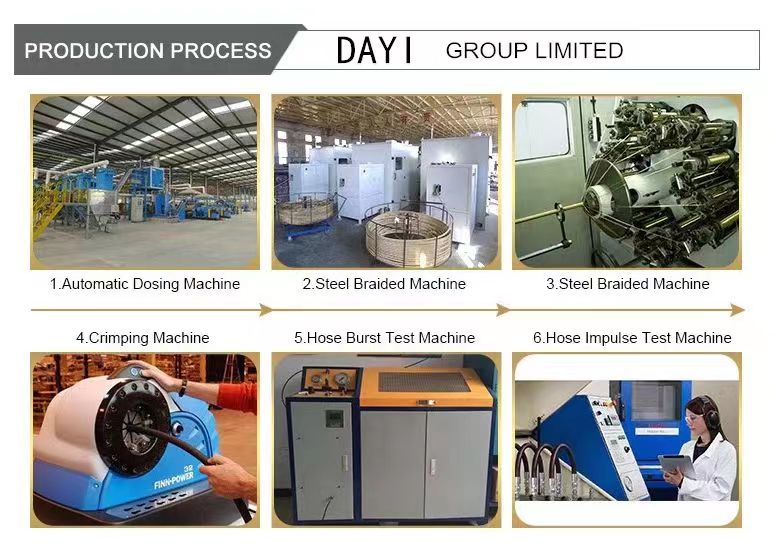
The materials used in hydraulic hose fitting manufacture are dictated by the intended operating environment and fluid compatibility. Carbon steel is commonly used for fittings operating in moderate conditions due to its high strength and cost-effectiveness. However, for corrosive environments, or applications involving aggressive fluids, stainless steel (304, 316, 316L) is preferred, offering superior corrosion resistance. Alloy steels, such as 4140 and 4340, provide enhanced strength and toughness for high-pressure systems. Brass fittings are employed in low-pressure, non-corrosive applications. Manufacturing processes vary depending on fitting type. Threaded fittings are typically produced via machining, utilizing CNC lathes and milling machines to create precise threads conforming to NPTF, BSPP, or SAE J1926 standards. Compression fittings are manufactured through cold forging or machining, followed by heat treatment to enhance strength and ductility. Flanged fittings are often cast or forged, followed by precision machining of the flange face and bolt holes. Key parameter control during manufacturing focuses on dimensional accuracy of threads, surface finish to minimize leakage, material hardness to ensure adequate strength, and proper heat treatment to optimize mechanical properties. Non-destructive testing methods, such as ultrasonic testing and magnetic particle inspection, are utilized to detect flaws and ensure quality.
Performance & Engineering
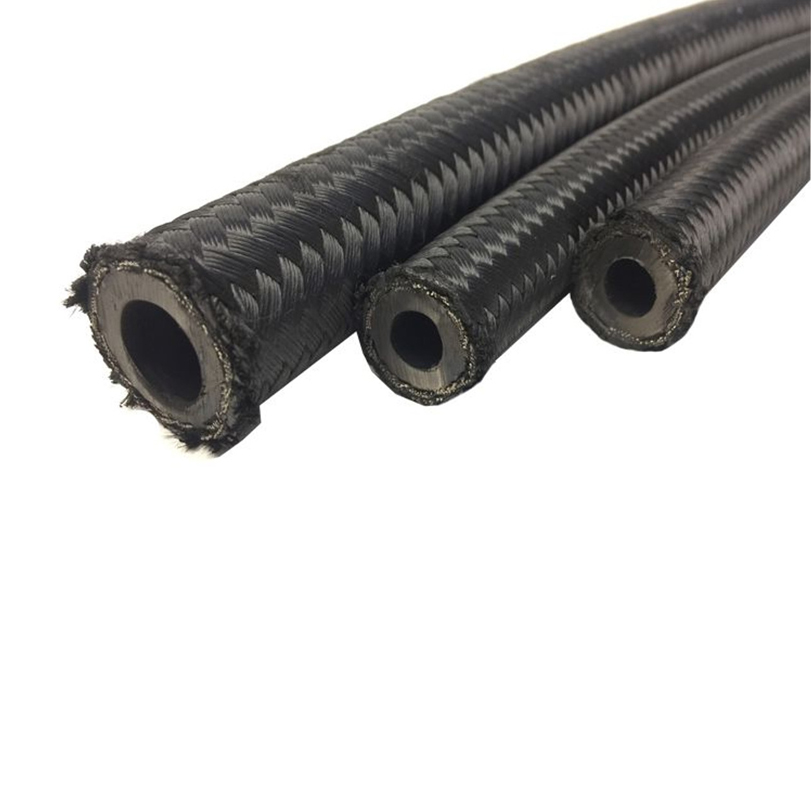
Hydraulic hose fitting performance is characterized by its ability to withstand high pressures, fluctuating temperatures, and dynamic loading without failure. Force analysis is crucial, involving calculations of tensile stress, shear stress, and bending moment experienced by the fitting under operating conditions. Finite Element Analysis (FEA) is frequently employed to simulate stress distribution and identify potential weak points in the design. Environmental resistance is paramount, considering factors such as corrosion, oxidation, and UV degradation. Material selection and protective coatings (e.g., zinc plating, passivation) are employed to mitigate these effects. Compliance requirements vary by industry and region. For instance, fittings used in aerospace applications must meet stringent standards set by SAE Aerospace Standard AS9100. Oil & gas applications demand compliance with API standards. Functional implementation considerations include proper torque application during installation to ensure a secure and leak-proof connection. Incorrect torque can lead to loosening or damage to the threads. Furthermore, compatibility between the fitting material and the hydraulic fluid is essential to prevent corrosion or swelling of the sealing surfaces. The creep resistance of the fitting material under sustained pressure is also a critical design parameter, particularly for long-term operation.
Technical Specifications
| Parameter | Unit | Steel (Carbon) | Stainless Steel (316) |
|---|---|---|---|
| Maximum Working Pressure | PSI | 5,000 | 4,000 |
| Temperature Range | °F | -40 to 350 | -320 to 500 |
| Tensile Strength | MPa | 550 | 830 |
| Yield Strength | MPa | 310 | 517 |
| Hardness (Rockwell C) | 30-35 | 85-95 | |
| Corrosion Resistance | Rating (1-5, 5=Excellent) | 2 | 5 |
Failure Mode & Maintenance
Common failure modes in hydraulic hose fittings include fatigue cracking, thread stripping, corrosion, and leakage at the sealing surface. Fatigue cracking is often initiated by cyclic loading and stress concentration at thread roots. Thread stripping occurs due to improper torque application or use of incompatible thread types. Corrosion can lead to weakening of the fitting material and eventual failure. Leakage is typically caused by damaged sealing surfaces, improper installation, or material incompatibility. Failure analysis techniques, such as fractography and chemical analysis, are employed to determine the root cause of failure. Maintenance recommendations include regular visual inspection for signs of corrosion, cracks, or leakage. Torque checks should be performed periodically to ensure proper tightening. Lubrication of threads can help prevent galling and facilitate disassembly. Damaged or corroded fittings should be replaced immediately. Proper storage of fittings in a dry, clean environment is essential to prevent corrosion. Preventative maintenance programs, incorporating scheduled inspections and torque checks, can significantly extend the service life of hydraulic hose fittings and prevent costly downtime.
Industry FAQ
Q: What is the impact of fluid compatibility on fitting selection?
A: Fluid compatibility is paramount. Incompatible fluids can cause swelling, degradation, or corrosion of the fitting material, leading to leakage or failure. For example, phosphate ester fluids require fittings made from materials specifically resistant to phosphate ester attack, such as stainless steel or certain alloys.
Q: What are the key considerations when selecting fittings for high-vibration environments?
A: High-vibration environments can cause loosening of threaded fittings. Locking mechanisms, such as thread-locking compounds or vibration-resistant nut designs, are essential. Consider using compression fittings or flanged fittings, which are less susceptible to loosening.
Q: How does operating temperature affect fitting performance?
A: Extreme temperatures can alter the mechanical properties of fitting materials. High temperatures can reduce strength and creep resistance, while low temperatures can increase brittleness. Select materials that maintain adequate strength and ductility within the operating temperature range.
Q: What is the proper procedure for torqueing threaded fittings?
A: Use a calibrated torque wrench and follow the manufacturer's recommended torque specifications. Apply lubricant to the threads before tightening. Tighten the fitting in stages, using a star pattern if multiple bolts are involved.
Q: What are the advantages of using quick-disconnect fittings?
A: Quick-disconnect fittings offer convenience and speed for frequent hose connections and disconnections. They minimize fluid spillage and reduce the risk of contamination. However, they typically have a lower pressure rating compared to threaded or flanged fittings.
Conclusion
Hydraulic hose fittings are critical components demanding careful material selection, precise manufacturing, and diligent maintenance. A comprehensive understanding of their performance characteristics, potential failure modes, and relevant industry standards is essential for ensuring the reliability and safety of hydraulic systems. The ongoing trend towards higher operating pressures, more aggressive fluids, and stricter environmental regulations necessitates a continued focus on innovation in fitting design and material technology.
Ultimately, the long-term performance and safety of any hydraulic system are intrinsically linked to the quality and integrity of its hose fittings. Investing in high-quality fittings, adhering to proper installation procedures, and implementing a robust preventative maintenance program are crucial steps in maximizing system uptime and minimizing the risk of catastrophic failure.