
Apr . 01, 2024 17:55 Back to list
hydraulic hose factory factory Performance Analysis
Introduction
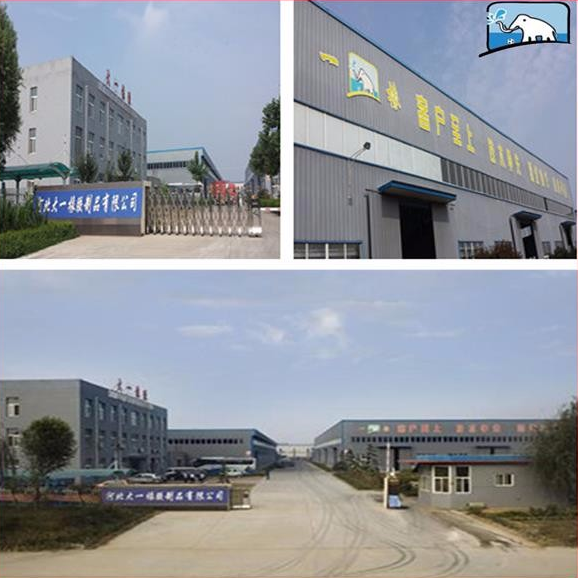
Hydraulic hose assemblies are critical components in fluid power systems, transmitting pressurized fluid to actuators and other hydraulic components. The performance and reliability of these assemblies directly impact the functionality and safety of the equipment they serve. A ‘hydraulic hose factory factory’ represents a dedicated manufacturing facility specializing in the design, production, and testing of these crucial components. Within the industrial supply chain, such facilities operate between raw material suppliers (rubber, steel, thermoplastic polymers) and equipment manufacturers spanning sectors like construction, agriculture, mining, and aerospace. Core performance characteristics include pressure rating, temperature resistance, fluid compatibility, and burst strength. The industry faces ongoing pressure to improve hose lifespan, reduce weight, and meet increasingly stringent environmental regulations regarding material composition and manufacturing processes. The selection of the correct hose construction – encompassing reinforcement layers, inner tube material, and outer cover characteristics – is paramount for optimal system performance and avoidance of catastrophic failure.
Material Science & Manufacturing
The primary raw materials for hydraulic hose are synthetic rubbers (NBR, EPDM, CR), thermoplastic polymers (Polyester, Polyamide, Polyurethane), and reinforcing materials like high-tensile steel wire and textile braids. NBR (Nitrile Butadiene Rubber) offers excellent resistance to petroleum-based fluids and is commonly used for general-purpose hydraulic hoses. EPDM (Ethylene Propylene Diene Monomer) provides superior resistance to heat, ozone, and weathering, making it ideal for outdoor applications. Chloroprene (CR), also known as Neoprene, offers good oil and chemical resistance, alongside flame resistance. The inner tube material dictates fluid compatibility; improper selection leads to degradation and leakage. Reinforcement layers provide strength to withstand high pressures. Steel wire is employed in high-pressure applications, typically spirally wound or braided. Textile braids, often polyester or nylon, offer flexibility and moderate pressure capacity. Manufacturing processes vary depending on hose type. Braided hose production involves helical winding of reinforcement, followed by extrusion of the inner and outer layers. Spiraled hose utilizes continuous wire winding. Key process parameters include extrusion temperature, curing time & temperature (for rubber hoses), wire tension during winding, and adhesion between layers. Precise control of these parameters is vital to achieve consistent mechanical properties and prevent delamination. Post-production testing includes pressure testing to burst, impulse testing to simulate cyclic loading, and dimensional checks to ensure conformance to specifications.
Performance & Engineering
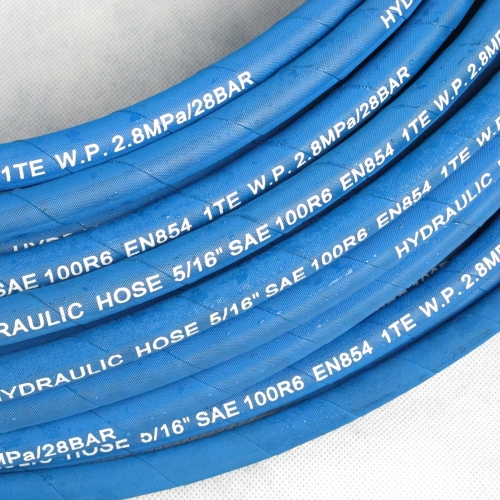
Hydraulic hose performance is fundamentally governed by the laws of fluid mechanics and material science. Force analysis focuses on hoop stress generated by internal pressure. The reinforcement layers are engineered to withstand this stress, preventing hose rupture. Burst pressure is a critical performance metric, typically specified as a multiple of the working pressure (safety factor). Fatigue life is determined by the hose’s ability to withstand cyclic pressure loading. Impulse testing simulates these conditions, assessing the hose's resistance to fatigue cracking. Environmental resistance is crucial; hoses must maintain performance across a range of temperatures, exposure to UV radiation, and contact with corrosive substances. The choice of outer cover material significantly impacts weathering and abrasion resistance. Compliance requirements vary by industry and geographic location. SAE J517 (Society of Automotive Engineers) defines performance standards for hydraulic hoses in North America. EN 853 (European Norm) specifies requirements for hydraulic hoses in Europe. Proper hose routing and support are essential engineering considerations. Sharp bends, excessive flexing, and direct contact with hot surfaces can significantly reduce hose lifespan. Correct fitting selection is equally critical; mismatched fittings can lead to leakage or failure. Additionally, proper fluid compatibility must be verified to prevent internal degradation of the hose material.
Technical Specifications
| Parameter | Unit | SAE 100R2AT | EN 853 2SN |
|---|---|---|---|
| Working Pressure | MPa | 20.7 | 21 |
| Burst Pressure | MPa | 82.7 | 84 |
| Temperature Range | °C | -40 to +100 | -40 to +100 |
| Inner Tube Material | - | NBR | NBR |
| Reinforcement | - | Two Steel Wire Braids | Two Steel Wire Braids |
| Outer Cover Material | - | Synthetic Rubber | Synthetic Rubber |
Failure Mode & Maintenance
Common failure modes in hydraulic hoses include burst failure due to exceeding pressure limits, fatigue cracking from cyclic loading, pinhole leaks caused by abrasion or corrosion, and leakage at fittings due to improper installation or degradation of sealing components. Failure analysis often reveals root causes related to material defects, manufacturing flaws, improper installation, or exceeding operational limits. Fatigue cracking typically initiates at stress concentration points, such as bends or around fittings. Abrasion can damage the outer cover, exposing the reinforcement layers to corrosion. Internal degradation can occur due to fluid incompatibility, leading to swelling, softening, or cracking of the inner tube. Regular visual inspection is crucial for identifying signs of damage, such as cracks, abrasions, bulges, or leaks. Hose routing should be checked to ensure proper support and avoid sharp bends. Fittings should be inspected for tightness and corrosion. Preventative maintenance includes periodic hose replacement based on service life recommendations or after exposure to harsh conditions. When replacing hoses, it's vital to use compatible fittings and follow proper installation procedures, including correct torque values. Regular fluid analysis can also help detect contamination or degradation that could contribute to hose failure.
Industry FAQ
Q: What is the impact of fluid velocity on hydraulic hose life?
A: Higher fluid velocity increases the rate of erosion and fatigue due to increased impact forces on the inner tube. This can lead to premature failure, especially in hoses handling abrasive fluids. Maintaining optimal fluid velocity within the hose's specifications is crucial for maximizing lifespan.
Q: How does temperature affect hydraulic hose performance?
A: Extreme temperatures can significantly impact hose performance. High temperatures can cause rubber compounds to degrade and lose elasticity, reducing pressure capacity and increasing the risk of leaks. Low temperatures can make rubber brittle and prone to cracking. Selecting a hose with a temperature range appropriate for the application is vital.
Q: What is the best way to prevent hose twisting during installation?
A: Hose twisting creates stress concentration points and reduces the hose's effective burst pressure. To prevent twisting, use swiveling fittings or ensure the hose is installed with sufficient slack to accommodate movement without inducing torsion. Proper hose assembly techniques are essential.
Q: What are the consequences of using the wrong type of hydraulic fluid?
A: Using an incompatible hydraulic fluid can cause the inner tube material to swell, soften, or crack, leading to leaks and premature failure. It can also damage seals and other components within the hydraulic system. Always verify fluid compatibility with the hose material.
Q: How often should hydraulic hoses be replaced as part of a preventative maintenance program?
A: Replacement frequency depends on the severity of the service conditions. As a general guideline, hoses should be inspected annually and replaced every 5-7 years, or sooner if signs of damage are detected. Hoses operating in harsh environments (high temperatures, exposure to chemicals) may require more frequent replacement.
Conclusion
Hydraulic hose assemblies are vital components requiring careful selection, installation, and maintenance. The performance and longevity of these hoses are directly dependent on understanding the underlying material science, manufacturing processes, and engineering principles governing their operation. Proper material selection, adherence to industry standards, and diligent preventative maintenance programs are paramount for ensuring reliable operation and preventing costly downtime.
Future advancements in hydraulic hose technology will likely focus on developing more durable and lightweight materials, improving fluid compatibility, and incorporating smart sensors for real-time monitoring of hose condition. This will contribute to enhanced safety, reduced maintenance costs, and increased efficiency in hydraulic systems across various industries. Continued research and development will be essential to meet the evolving demands of modern fluid power applications.