
Apr . 01, 2024 17:55 Back to list
hydraulic hose factory factories Performance Analysis
Introduction
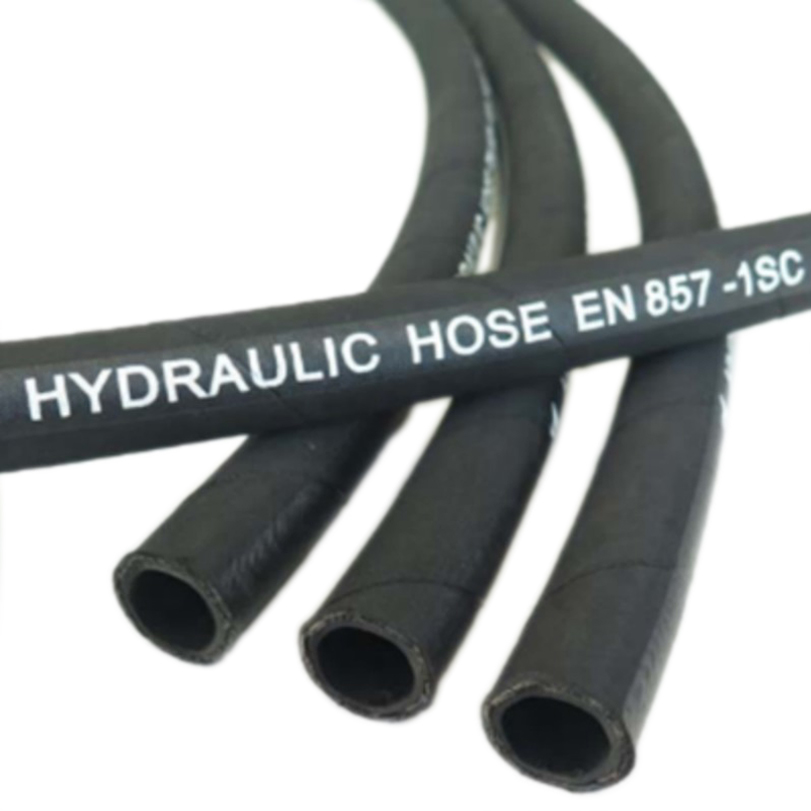
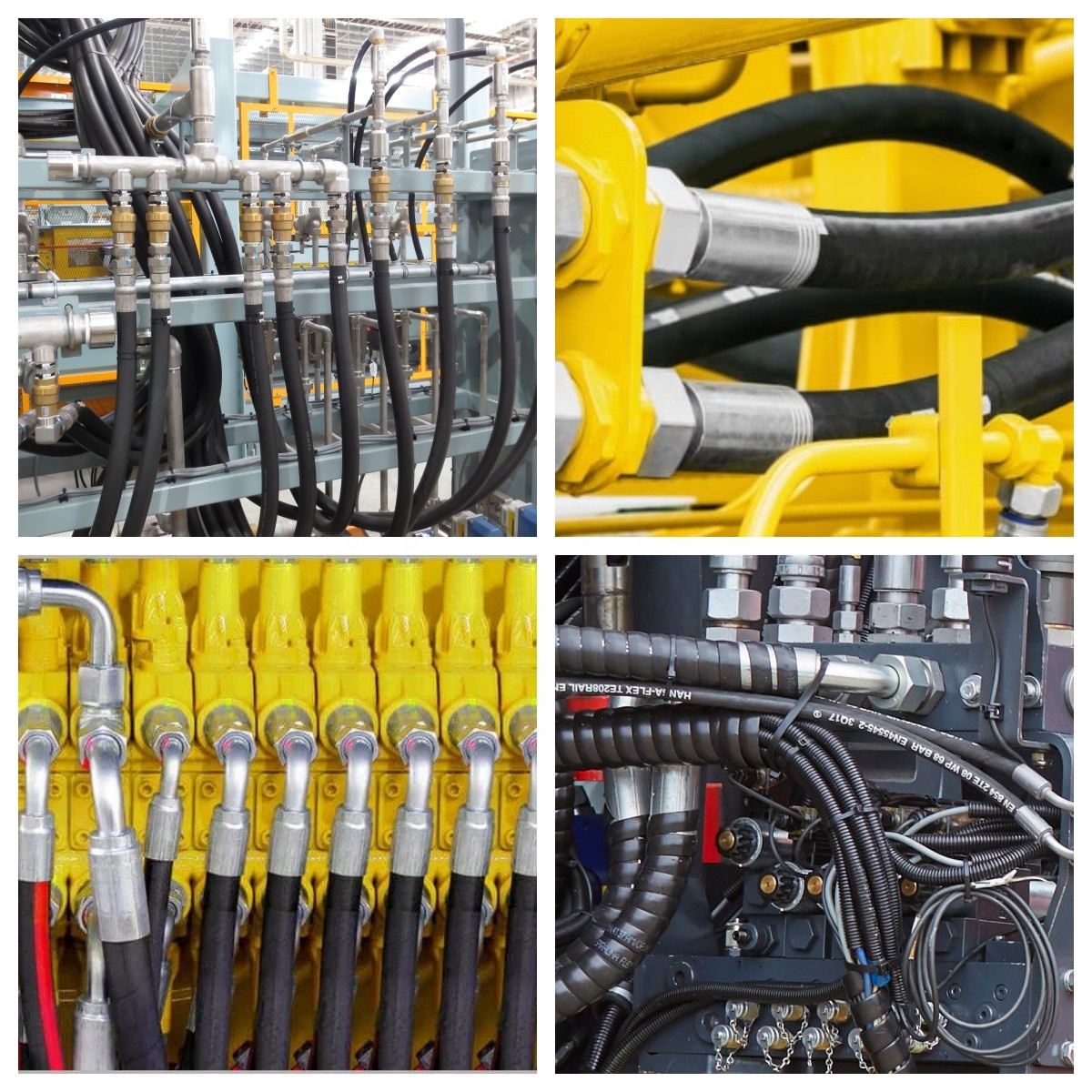
Hydraulic hose assemblies represent a critical component in fluid power systems across a diverse range of industries, including construction, agriculture, manufacturing, and automotive. A ‘hydraulic hose factory’ in this context refers to a facility dedicated to the design, manufacturing, and testing of these assemblies, not simply hose extrusion. These factories must adhere to stringent quality control procedures and material specifications to ensure safe and reliable operation under high-pressure conditions. The performance of hydraulic hoses is paramount to system efficiency, longevity, and – crucially – operator safety. This guide details the material science, manufacturing processes, performance parameters, failure modes, and maintenance requirements of hydraulic hose assemblies, focusing on the technical challenges faced by manufacturers and end-users. Core performance characteristics include pressure rating, temperature range, fluid compatibility, and resistance to abrasion and kinking. The industry currently grapples with increasing demands for higher pressures, specialized fluid compatibility (bio-based hydraulic fluids, for example), and reduced weight without compromising safety.
Material Science & Manufacturing
Hydraulic hoses are typically constructed of multiple layers, each serving a specific function. The inner tube, in direct contact with the fluid, is commonly composed of synthetic rubbers like nitrile (NBR), ethylene propylene diene monomer (EPDM), or fluorocarbon (FKM/Viton) depending on fluid compatibility requirements. NBR offers good resistance to petroleum-based fluids, EPDM excels with phosphate ester fluids, and FKM provides superior resistance to aggressive chemicals and high temperatures. Reinforcement layers, providing strength and burst resistance, commonly utilize high-tensile steel wire (single or multiple braids), textile fibers (rayon, polyester, aramid), or a combination thereof. The outer cover, protecting against abrasion and environmental degradation, is usually a synthetic rubber like chloroprene (neoprene) or polyurethane. Manufacturing processes begin with the extrusion of the inner tube, followed by the winding or braiding of reinforcement layers. Precise tension control during reinforcement application is vital to ensure uniform strength. The cover is then extruded over the reinforcement, and the assembly is vulcanized – a heat and pressure process that crosslinks the rubber compounds, enhancing their physical and chemical properties. Key parameter control during vulcanization includes temperature, time, and pressure, as deviations can lead to incomplete curing or material degradation. Post-vulcanization processes include dimensional inspection, pressure testing (hydrostatic and impulse testing), and leak testing. The selection of rubber compounds is critically dependent on operating temperature; polymers exhibit glass transition temperatures (Tg) below which they become brittle and prone to failure.
Performance & Engineering
The performance of hydraulic hoses is governed by several critical engineering parameters. Burst pressure, defined as the pressure at which the hose fails catastrophically, is a primary safety specification. Working pressure, typically 75% of burst pressure, represents the maximum operating pressure. Impulse pressure refers to the hose’s ability to withstand pressure pulsations, common in hydraulic pumps and valves. Hose assemblies must be engineered to handle these cyclical loads without fatigue failure. Finite element analysis (FEA) is frequently employed to model stress distributions within the hose layers under various loading conditions. Environmental resistance is also crucial; exposure to UV radiation, ozone, extreme temperatures, and corrosive substances can degrade the rubber compounds. Bend radius is another critical parameter; exceeding the minimum bend radius induces stress concentrations that can lead to premature failure. Hose assemblies are often subjected to rigorous testing, including hydrostatic testing (withstanding a sustained high pressure) and impulse testing (withstanding repeated pressure surges). Compliance with industry standards like SAE J517 (hydraulic hose specifications) and ISO 6899 (hydraulic hose assemblies) is essential. Furthermore, consideration must be given to fluid compatibility. Incompatible fluids can cause swelling, softening, or degradation of the inner tube, leading to leaks and system failure.
Technical Specifications
| Parameter | Unit | SAE 100R2AT | SAE 100R6A |
|---|---|---|---|
| Working Pressure | MPa | 20.7 | 21.0 |
| Burst Pressure | MPa | 82.7 | 84.0 |
| Temperature Range | °C | -40 to +100 | -40 to +100 |
| Inner Tube | Material | NBR | NBR |
| Reinforcement | Material | 2AT Braid (Steel Wire) | 6 Spiral (Steel Wire) |
| Outer Cover | Material | Synthetic Rubber | Synthetic Rubber |
Failure Mode & Maintenance
Hydraulic hose failures can occur through several mechanisms. Fatigue cracking, caused by repeated pressure cycling and bending, is a common failure mode, especially in high-impulse applications. Delamination, the separation of hose layers, can result from improper bonding during vulcanization or exposure to incompatible fluids. Abrasion, caused by external contact with abrasive surfaces, degrades the outer cover, exposing the reinforcement layers to corrosion. Kinking, resulting from exceeding the minimum bend radius, induces localized stress concentrations and can lead to cracking. Oxidation, particularly in hoses exposed to high temperatures and oxygen, causes the rubber compounds to become brittle and lose their elasticity. Failure analysis often involves visual inspection (identifying crack initiation sites), microscopic examination (assessing material degradation), and chemical analysis (identifying fluid contamination). Preventive maintenance is crucial. Regular visual inspections should be conducted to identify signs of wear, abrasion, or cracking. Hose assemblies should be replaced at predetermined intervals, even if no visible damage is apparent, based on operating conditions and fluid compatibility. Proper storage conditions (cool, dry, and away from direct sunlight) are essential to prevent premature degradation. Furthermore, proper installation practices – avoiding twisting, kinking, and excessive bending – can significantly extend hose life.
Industry FAQ
Q: What is the impact of using incorrect fittings on hydraulic hose life?
A: Incorrect fittings are a primary cause of premature hose failure. Mismatched fitting types (e.g., using a JIC fitting on a DIN fitting) or improperly crimped fittings can create stress concentrations at the connection point, leading to leaks and eventual rupture. Furthermore, corrosion can occur at dissimilar metal interfaces. Proper fitting selection and crimping are critical for maintaining hose integrity.
Q: How does temperature affect the performance of hydraulic hoses?
A: Temperature has a significant impact on rubber compound properties. High temperatures accelerate oxidation and degradation, reducing elasticity and strength. Low temperatures can cause the rubber to become brittle and prone to cracking. Exceeding the specified temperature range can lead to catastrophic failure. Selecting hoses with appropriate temperature ratings is essential for the application.
Q: What are the key considerations when selecting a hose for bio-based hydraulic fluids?
A: Bio-based hydraulic fluids often have different chemical properties than traditional mineral oils. They may be more aggressive towards certain rubber compounds, causing swelling, softening, or degradation. Specifically, ester-based fluids require hoses with FKM (Viton) inner tubes for optimal compatibility. Compatibility charts from hose manufacturers should be consulted.
Q: What is the difference between impulse and surge pressures, and how do they affect hose selection?
A: Impulse pressure refers to the cyclical pressure fluctuations caused by the normal operation of hydraulic pumps and valves. Surge pressure, also known as pressure spikes, are sudden, short-duration increases in pressure caused by rapid valve closures or pump starts/stops. Hoses must be rated to withstand both impulse and surge pressures to prevent fatigue failure. Higher pressure ratings and specialized reinforcement configurations are often required for applications with significant impulse or surge pressures.
Q: What are the benefits of using composite reinforcement in hydraulic hoses?
A: Composite reinforcement, using materials like aramid fibers, offers a higher strength-to-weight ratio compared to steel wire reinforcement. This results in lighter hoses that are easier to handle and can improve system efficiency. Composite hoses also offer improved resistance to corrosion and fatigue, but they typically have lower temperature ratings than steel-reinforced hoses.
Conclusion
The selection, installation, and maintenance of hydraulic hose assemblies are critical for ensuring the safe and reliable operation of fluid power systems. Understanding the material science, manufacturing processes, and performance parameters discussed in this guide is essential for hydraulic hose factory manufacturers and end-users alike. Addressing the core pain points of pressure rating, fluid compatibility, and environmental resistance through careful material selection and rigorous quality control procedures are paramount to achieving long-term performance.
The future of hydraulic hose technology will likely focus on developing lighter-weight, more durable hoses capable of withstanding higher pressures and operating in increasingly demanding environments. Continued advancements in material science and manufacturing techniques, coupled with the adoption of predictive maintenance strategies based on sensor data and machine learning, will further enhance the reliability and longevity of hydraulic hose assemblies.