
Apr . 01, 2024 17:55 Back to list
Hydraulic Hose Factories Performance Analysis
Introduction
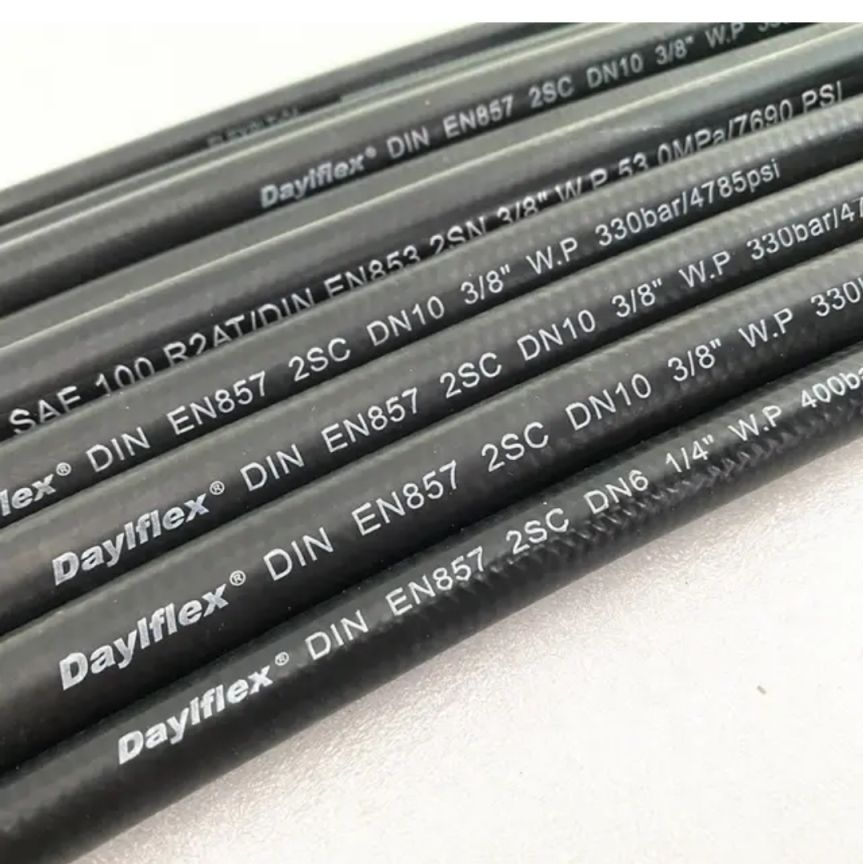
Hydraulic hoses are critical components in fluid power systems, responsible for transmitting pressurized fluid to actuators and other hydraulic devices. Hydraulic hose factories represent a specialized sector within the broader rubber and plastics manufacturing industry, focusing on the design, compounding, and assembly of these vital conduits. Their technical position in the industry chain falls between raw material suppliers (rubber, steel wire, synthetic polymers) and end-users across diverse industries including construction, agriculture, mining, manufacturing, and aerospace. Core performance metrics center around pressure capacity, burst pressure, temperature resistance, chemical compatibility, and service life. A key industry pain point is achieving consistent hose quality, particularly in demanding applications where failure can lead to significant downtime, safety hazards, and costly repairs. Furthermore, increasingly stringent environmental regulations necessitate the development and production of hoses that minimize environmental impact throughout their lifecycle.
Material Science & Manufacturing
The fundamental material for hydraulic hose construction is typically a synthetic rubber compound, often based on nitrile rubber (NBR) for oil resistance, ethylene propylene diene monomer (EPDM) for heat and weather resistance, or chloroprene rubber (CR) for its broad chemical compatibility. These elastomers are compounded with reinforcing fillers, such as carbon black, to enhance tensile strength and abrasion resistance. Steel wire braid or spiral reinforcement provides pressure containment and burst strength. Manufacturing processes vary depending on hose type and specification. For braided hoses, the inner rubber tube is extruded, followed by the application of multiple layers of high-tensile steel wire braid. Spiral hoses utilize a single, continuously wound steel wire helix. A protective outer cover, often formulated from abrasion-resistant synthetic rubber, is then applied. Key parameter control during manufacturing includes precise temperature regulation during extrusion to ensure uniform rubber cross-linking, accurate braid angle and tension for optimal pressure resistance, and proper bonding between layers to prevent delamination. Cure time and temperature are critical for achieving desired physical properties. The steel wire undergoes surface treatment to improve adhesion to the rubber matrix. Quality control includes destructive testing (burst pressure testing, fatigue testing) and non-destructive testing (dimensional inspection, visual inspection for defects).
Performance & Engineering
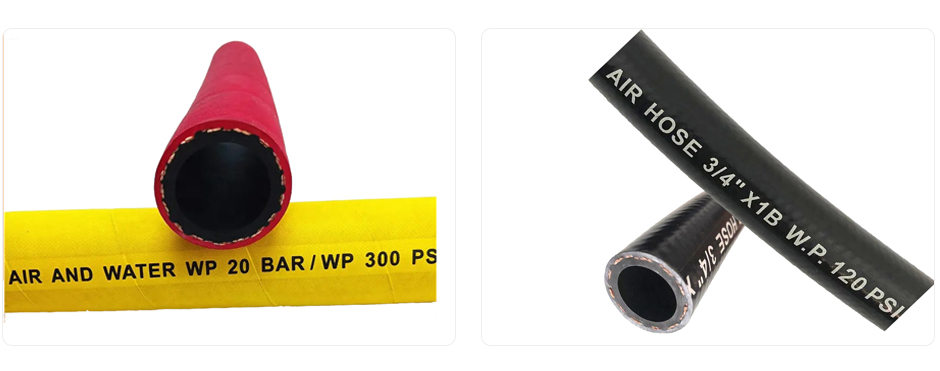
Hydraulic hose performance is dictated by several engineering considerations. Force analysis centers on hoop stress within the hose wall under internal pressure. The steel reinforcement bears the majority of this stress, while the rubber layers provide sealing and flexibility. Finite Element Analysis (FEA) is commonly used to optimize hose design and predict stress distribution. Environmental resistance is paramount; hoses must withstand exposure to extreme temperatures, ozone, ultraviolet radiation, and a wide range of fluids including hydraulic oil, fuels, and chemicals. Compatibility of the hose material with the conveyed fluid is crucial to prevent swelling, degradation, or leaching. Compliance requirements depend on the application and geographic region. In the automotive industry, hoses must meet SAE J517 standards. Aerospace applications demand compliance with AS1072 standards. Safety factors are typically applied to calculated burst pressures to ensure reliable operation under fluctuating loads and environmental conditions. Proper hose routing and support are essential to prevent kinking, abrasion, and excessive bending, which can significantly reduce service life. The selection of appropriate end fittings (e.g., crimped, swaged, field attachable) is critical for maintaining a leak-free connection and ensuring compatibility with the hydraulic system.
Technical Specifications
| Parameter | Unit | SAE 100R1 AT | SAE 100R2 AT |
|---|---|---|---|
| Working Pressure | MPa | 20.7 | 17.2 |
| Burst Pressure | MPa | 82.7 | 69.0 |
| Temperature Range | °C | -40 to +100 | -40 to +100 |
| Inner Tube | Material | NBR | NBR |
| Reinforcement | Type | One Steel Wire Braid | Two Steel Wire Braids |
| Outer Cover | Material | CRM | CRM |
Failure Mode & Maintenance
Hydraulic hose failure can manifest in several ways. Fatigue cracking, resulting from repeated pressure cycling, is a common failure mode, often initiating at points of high stress concentration (e.g., near end fittings). Delamination, the separation of rubber layers, occurs due to inadequate bonding or exposure to incompatible fluids. Degradation of the rubber material due to ozone, UV radiation, or chemical attack leads to loss of flexibility and eventual cracking. Oxidation causes hardening and embrittlement of the rubber. Abrasion damage results from contact with abrasive surfaces. Improper installation, such as over-bending or kinking, accelerates fatigue and can cause localized damage. Maintenance strategies include regular visual inspection for cracks, bulges, or leaks. Hose replacement should be performed proactively based on service life recommendations or when signs of damage are detected. Proper hose routing and protection from abrasion are critical. Maintaining a clean hydraulic system, with appropriate filtration, prevents contamination and extends hose life. End fittings should be inspected for corrosion or damage and replaced as needed. Crimping procedures must be strictly adhered to ensure a secure and leak-free connection. Record-keeping of hose installation and replacement dates facilitates proactive maintenance scheduling.
Industry FAQ
Q: What is the impact of fluid velocity on hydraulic hose life?
A: Higher fluid velocities can increase erosion of the inner tube, particularly if the fluid contains abrasive particles. Excessive velocity also generates heat, which can accelerate rubber degradation. It’s crucial to match hose size and flow rate to minimize velocity and maintain optimal performance.
Q: How does temperature affect hydraulic hose performance?
A: Temperature extremes can significantly impact hose performance. High temperatures accelerate rubber degradation and reduce pressure capacity. Low temperatures can cause rubber to become brittle and less flexible. Selecting a hose with a suitable temperature range is essential.
Q: What are the key differences between a braided hose and a spiral hose?
A: Braided hoses offer good flexibility and are suitable for moderate pressure applications. Spiral hoses provide higher burst pressures and are better suited for demanding applications with fluctuating loads. Spiral hoses generally have less flexibility than braided hoses.
Q: What is the significance of hose bend radius?
A: Maintaining the recommended minimum bend radius is critical to prevent kinking and premature failure. Excessive bending induces stress concentrations in the hose wall, reducing its service life. Support structures should be used to prevent over-bending.
Q: How do I choose the correct hose end fitting?
A: The end fitting must be compatible with the hose type, fluid type, and operating pressure. Proper crimping is essential to ensure a leak-free connection. Using incorrect fittings can lead to premature failure and safety hazards.
Conclusion
The selection and implementation of hydraulic hoses require a comprehensive understanding of material science, manufacturing processes, performance characteristics, and potential failure modes. Hydraulic hose factories play a critical role in supplying reliable components to a vast array of industries. Adherence to international standards and rigorous quality control procedures are paramount to ensuring safety, performance, and longevity.
Future trends in hydraulic hose technology will likely focus on the development of more durable, lightweight, and environmentally friendly materials. Smart hoses, incorporating sensors to monitor pressure, temperature, and flow, are also emerging, enabling predictive maintenance and improved system performance. Continuous innovation within hydraulic hose factories will be essential to meet the evolving demands of modern industrial applications.