
Apr . 01, 2024 17:55 Back to list
hydraulic hose crimping machine suppliers Performance Analysis

Introduction
Hydraulic hose crimping machines are critical components in the manufacture and maintenance of hydraulic systems across diverse industries including construction, agriculture, mining, and manufacturing. These machines permanently attach fittings to hydraulic hoses, creating leak-proof connections essential for safe and efficient fluid power transmission. The industry chain positions the crimping machine supplier as a crucial link between hose and fitting manufacturers, and the end-user maintaining or building hydraulic systems. Core performance metrics center around crimp force accuracy, repeatability, hose size range compatibility, and overall reliability. A key pain point for industry professionals is achieving consistent, high-quality crimps that meet stringent safety and performance standards, minimizing potential failure points in hydraulic systems. Suboptimal crimping can lead to premature hose failure, costly downtime, and potential safety hazards. Therefore, selecting a supplier capable of delivering machines with precise control, robust construction, and comprehensive support is paramount.
Material Science & Manufacturing
The construction of a hydraulic hose crimping machine necessitates a deep understanding of material science and precision manufacturing. The machine frame commonly utilizes high-strength steel alloys, such as AISI 1045 or equivalent, chosen for their yield strength, tensile strength, and resistance to deformation under high loads. Heat treatment processes, including quenching and tempering, are applied to optimize these mechanical properties. The crimping dies themselves are typically manufactured from alloy tool steels (e.g., D2, H13) offering exceptional wear resistance and hardness (typically 58-62 HRC) to withstand the repeated stresses of the crimping process. The manufacturing process involves CNC machining to achieve precise die geometry, ensuring accurate hose deformation. Hydraulic cylinders, a key component, utilize hardened steel bores and seals composed of nitrile rubber (NBR) or polyurethane (PU) for fluid compatibility and leak prevention. The hydraulic fluid itself is commonly a mineral oil-based fluid, selected for its viscosity, lubricity, and thermal stability. Parameter control during manufacturing includes maintaining tight tolerances on die dimensions (+/- 0.02mm), cylinder bore finish (Ra < 0.8 μm), and proper heat treatment cycles to prevent cracking or deformation. Material certification and non-destructive testing (NDT) – such as ultrasonic testing – are critical for verifying material integrity and identifying potential flaws. Welding processes used for frame construction require qualified procedures and inspection to ensure weld strength and avoid porosity.
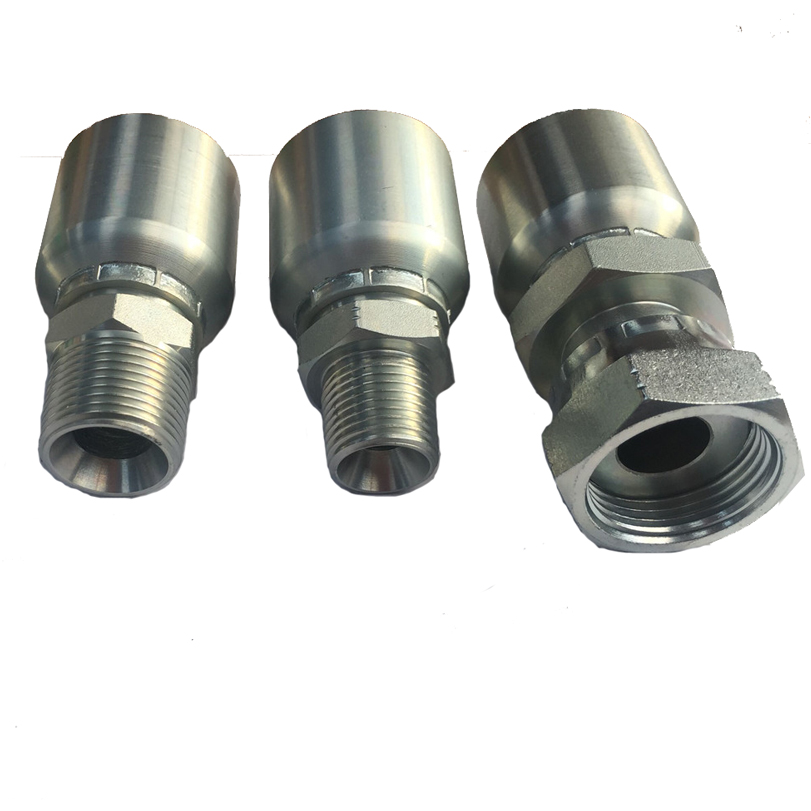
Performance & Engineering
Hydraulic hose crimping performance is fundamentally governed by force analysis and material deformation principles. The crimping process induces plastic deformation in the hose reinforcement layers (typically steel wire or textile braiding), creating a mechanical interlock with the fitting. The required crimp force is determined by hose size, reinforcement type, and fitting design. Finite Element Analysis (FEA) is frequently employed to optimize die geometry and predict stress distribution during crimping, ensuring proper deformation without damaging the hose or fitting. Environmental resistance is another critical performance factor. Machines operating in harsh environments require corrosion protection for all exposed metal surfaces, commonly achieved through powder coating or galvanization. Compliance requirements dictate adherence to industry standards such as SAE J518 (Hydraulic Hose) and ISO 3766 (Crimping Specifications). These standards define acceptable crimp diameters, ovality tolerances, and pull-off force requirements. Engineering considerations include the design of the hydraulic system to deliver consistent pressure and flow rates, the implementation of safety features such as emergency stop buttons and safety guards, and the integration of control systems for automated operation and data logging. Proper lubrication of moving parts is essential to minimize friction and wear, extending machine lifespan. Regular calibration of pressure sensors and force transducers is crucial for maintaining accuracy.
Technical Specifications
| Hose ID (inches) | Crimp Diameter (inches) | Crimp Force (tons) | Cycle Time (seconds) |
|---|---|---|---|
| 1/4" | 0.625" | 25 | 8 |
| 3/8" | 0.750" | 40 | 10 |
| 1/2" | 0.875" | 60 | 12 |
| 3/4" | 1.125" | 80 | 15 |
| 1" | 1.375" | 100 | 18 |
| 1 1/4" | 1.625" | 120 | 20 |
Failure Mode & Maintenance
Failure modes in hydraulic hose crimping machines are typically related to component wear, hydraulic system issues, or improper operation. Common failures include die cracking due to fatigue or excessive loading, cylinder seal failure leading to pressure loss, pump failure resulting from contamination or cavitation, and electrical component malfunctions. Fatigue cracking in dies is often initiated at stress concentration points and can be detected through dye penetrant inspection or ultrasonic testing. Cylinder seal failure manifests as a gradual decrease in crimp force or inconsistent crimping. Hydraulic fluid contamination, caused by dirt or water ingress, can lead to pump wear and valve sticking. Electrical failures can result from wire breakage, connector corrosion, or PLC malfunctions. Preventive maintenance is crucial for mitigating these failures. This includes regular lubrication of moving parts, inspection of dies for cracks or wear, replacement of hydraulic filters, checking hydraulic fluid levels and condition, and testing electrical connections. Die sets should be periodically re-hardened to maintain their hardness and wear resistance. Proper operator training is also essential to prevent damage caused by improper machine operation. A detailed maintenance schedule should be established and followed, including logbooks to track maintenance activities and repairs. When diagnosing failures, a systematic approach – starting with a visual inspection and progressing to more detailed testing – is recommended.
Industry FAQ
Q: What is the importance of die quality in the crimping process?
A: Die quality is paramount. Poorly manufactured or worn dies will produce inconsistent crimps, leading to premature hose failure. Die geometry must be precise to ensure uniform deformation of the hose reinforcement. The material of the die must be sufficiently hard to resist wear and maintain its shape over time. Regularly inspecting and maintaining dies is vital.
Q: How do I ensure my crimping machine meets industry standards?
A: Verify that the machine supplier provides documentation demonstrating compliance with relevant standards like SAE J518 and ISO 3766. Look for machines with calibrated pressure sensors and force transducers. Conduct regular pull-off force tests on crimped assemblies to verify crimp integrity.
Q: What type of hydraulic fluid is recommended for these machines?
A: A mineral oil-based hydraulic fluid with a viscosity of ISO VG 46 is generally recommended. The fluid should have good thermal stability, lubricity, and resistance to corrosion. Regular fluid analysis is recommended to monitor fluid condition and detect contamination.
Q: What are the common causes of hydraulic leaks in crimping machines?
A: Common causes include worn or damaged seals, loose fittings, and cracked hydraulic lines. Regularly inspect all connections and seals for leaks. Replace worn components promptly. Maintain proper fluid levels and avoid over-pressurizing the system.
Q: What safety features should I look for in a crimping machine?
A: Essential safety features include emergency stop buttons, safety guards around moving parts, and interlock systems that prevent operation when guards are removed. The machine should also have clear warning labels and comprehensive operating instructions.
Conclusion
The selection and maintenance of a hydraulic hose crimping machine are critical for ensuring the reliability and safety of hydraulic systems. A thorough understanding of material science, manufacturing processes, performance engineering, and potential failure modes is essential for informed decision-making. Investing in a high-quality machine from a reputable supplier, coupled with a rigorous preventive maintenance program, will minimize downtime, reduce the risk of hose failures, and optimize the overall performance of hydraulic applications.
Future trends in hydraulic hose crimping technology include the development of more automated systems with integrated data logging and remote diagnostics. Improvements in die materials and coating technologies will further enhance die life and crimp quality. Continued adherence to evolving industry standards and a focus on operator safety will remain paramount in this critical manufacturing sector.