
Apr . 01, 2024 17:55 Back to list
Hydraulic Hose Connector Performance Analysis
Introduction
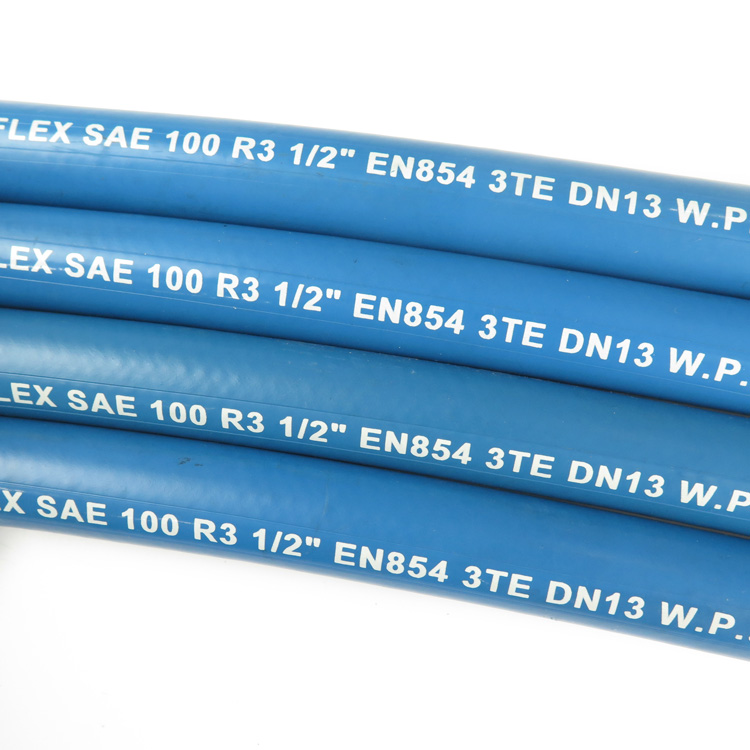
Hydraulic hose connectors are critical components in fluid power systems, serving as the interface between flexible hydraulic hoses and either the hydraulic pump, valve, or actuator. They are not merely mechanical adapters, but engineered elements vital for ensuring system integrity, preventing leakage, and maintaining operational efficiency. The role of the connector extends beyond simple coupling; it must withstand high pressures, fluctuating temperatures, and potential exposure to corrosive fluids. In the industrial chain, the connector represents a crucial final stage of hose assembly, impacting overall system performance and reliability. Core performance characteristics include pressure rating, burst pressure, connection type (threaded, flanged, quick-disconnect), material compatibility, and resistance to fluid degradation. The industry faces ongoing challenges related to connector fatigue, corrosion, and the demand for lighter, higher-strength materials to accommodate increasingly complex hydraulic systems.
Material Science & Manufacturing
Hydraulic hose connectors are typically manufactured from carbon steel, alloy steel, stainless steel (304, 316), and brass. Carbon steel, frequently used due to its cost-effectiveness, undergoes surface treatments like zinc plating or black oxide coating to enhance corrosion resistance. Alloy steels, incorporating elements like chromium and molybdenum, offer increased strength and toughness, suitable for high-pressure applications. Stainless steel provides superior corrosion resistance, particularly important in environments exposed to saltwater, chemicals, or extreme temperatures. Brass connectors are less common in high-pressure systems but find application in low-pressure, non-corrosive environments.
Manufacturing processes vary based on connector type. Forged connectors, common in high-pressure applications, involve shaping heated metal under compressive forces, resulting in a dense, strong structure. Machining follows forging to achieve precise dimensions and threading. Cast connectors are employed for complex geometries, using sand casting or investment casting techniques. Threading, a critical step, requires precision cutting to ensure a leak-proof seal with mating components. Surface treatments, such as passivation for stainless steel and plating for carbon steel, are applied post-manufacturing. Key parameter control involves meticulous monitoring of material composition, forging/casting temperatures, machining tolerances, and surface treatment quality. Improper heat treatment can lead to reduced tensile strength and increased susceptibility to fracture. Inconsistent threading introduces risks of leakage and cross-threading during assembly. Material certifications (e.g., mill test reports) are essential for verifying material traceability and compliance with industry standards.
Performance & Engineering
The performance of a hydraulic hose connector is fundamentally governed by its ability to withstand internal pressure and external forces without failure. Force analysis focuses on hoop stress, longitudinal stress, and torsional stress experienced by the connector body under operational loads. Finite Element Analysis (FEA) is widely used to model stress distributions and optimize connector geometry. Environmental resistance is paramount; connectors must maintain integrity when exposed to temperature extremes (typically -40°C to +120°C), UV radiation, ozone, and a range of hydraulic fluids (mineral oil, synthetic fluids, water-glycol). Compliance requirements, dictated by standards like SAE J518 and ISO 6046, specify minimum burst pressures, proof pressures, and fatigue life. Quick-disconnect connectors introduce additional engineering considerations related to locking mechanisms and sealing performance. Material selection plays a critical role in mitigating corrosion. Galvanic corrosion, arising from dissimilar metal contact in the presence of an electrolyte, necessitates careful material pairing or the use of isolation coatings. The connector’s design must also facilitate proper hose clamping to prevent hose slippage and subsequent extrusion under pressure. Improper clamping forces can compromise the integrity of the hose-connector interface, leading to leakage or hose failure.
Technical Specifications
| Parameter | Unit | SAE J518 (Typical) | ISO 6046 (Typical) |
|---|---|---|---|
| Working Pressure | psi / MPa | Up to 5000 psi / 34.5 MPa | Up to 400 bar / 5800 psi |
| Burst Pressure | psi / MPa | 4x Working Pressure | 4x Working Pressure |
| Temperature Range | °C / °F | -40 to +100 / -40 to +212 | -40 to +100 / -40 to +212 |
| Material (Connector Body) | - | Carbon Steel, Alloy Steel | Carbon Steel, Alloy Steel, Stainless Steel |
| Material (Sealing Element) | - | Nitrile (NBR), EPDM | Nitrile (NBR), EPDM |
| Connection Type | - | Threaded (NPT, SAE J1926), Flanged | Threaded (Metric, BSP), Flanged |
Failure Mode & Maintenance
Common failure modes in hydraulic hose connectors include fatigue cracking (particularly in threaded connections subjected to cyclical loading), corrosion (leading to material degradation and leakage), galling (resulting from fretting corrosion between mating threads), and thread stripping (caused by improper tightening or use of incompatible threads). Fatigue cracking initiates at stress concentration points, such as thread roots and sharp corners. Corrosion is exacerbated by exposure to moisture, salt, and corrosive fluids. Galling occurs when dissimilar metals are subjected to high loads and insufficient lubrication. Thread stripping results from exceeding the yield strength of the thread material.
Preventive maintenance is crucial for extending connector lifespan. Regular visual inspections should identify signs of corrosion, damage, or leakage. Proper torque application, using calibrated torque wrenches, is essential to avoid over-tightening or under-tightening. Periodic lubrication of threads prevents galling and facilitates disassembly. Connectors operating in harsh environments should be inspected more frequently and replaced proactively. In the event of a failure, a thorough failure analysis should be conducted to determine the root cause and prevent recurrence. This analysis should involve visual examination, metallographic analysis, and potentially, fractographic analysis to identify the fracture mechanism. Replacement connectors should be of equivalent or higher specification to the original, ensuring compatibility and maintaining system integrity.
Industry FAQ
Q: What is the significance of the 'burst pressure' rating of a hydraulic hose connector?
A: The burst pressure rating indicates the maximum pressure the connector can withstand before catastrophic failure. It is typically four times the working pressure. Exceeding the burst pressure results in immediate and potentially dangerous system failure. It's a critical safety parameter used in system design and component selection.
Q: How does material selection impact connector corrosion resistance?
A: Material selection is paramount for corrosion resistance. Stainless steel (304, 316) offers superior resistance to a broad range of corrosive fluids and environments compared to carbon steel. Surface treatments like zinc plating or black oxide coating can enhance the corrosion resistance of carbon steel connectors, but offer less protection than stainless steel.
Q: What are the risks associated with using incompatible threads on hydraulic hose connectors?
A: Using incompatible threads (e.g., NPT and BSP) can lead to improper sealing, leakage, and potential connector failure. Cross-threading, resulting from forced assembly, damages the threads and weakens the connection. Always verify thread compatibility before assembly.
Q: What role does proper torque play in maintaining connector integrity?
A: Proper torque application is crucial. Under-tightening can lead to leakage, while over-tightening can strip threads or damage the connector body. Using a calibrated torque wrench and adhering to manufacturer’s specifications ensures optimal clamping force and a leak-proof seal.
Q: How can fatigue cracking be mitigated in high-cycle applications?
A: Mitigating fatigue cracking involves selecting connectors with high fatigue strength, minimizing stress concentration points through optimized design, and ensuring proper installation and maintenance. Regular inspections to detect early signs of cracking and proactive replacement are also essential.
Conclusion
Hydraulic hose connectors represent a deceptively complex component within hydraulic systems. Their performance is directly linked to material science, precise manufacturing processes, rigorous engineering analysis, and diligent maintenance practices. The ongoing demand for higher pressures, more demanding operating environments, and greater system reliability necessitates continuous advancements in connector design and material selection.
Future trends will likely focus on developing connectors with enhanced corrosion resistance (e.g., utilizing advanced coatings and alloy compositions), lighter weight materials (e.g., aluminum alloys and composite materials), and integrated sensing capabilities for real-time monitoring of pressure and temperature. Adherence to relevant industry standards and a commitment to quality control are critical for ensuring the long-term performance and safety of hydraulic systems reliant on these vital components.