
Apr . 01, 2024 17:55 Back to list
Hydraulic Hose Company Performance Analysis
Introduction
Hydraulic hoses are critical components in fluid power systems, responsible for transmitting hydraulic fluid to actuators and other components. They function as a flexible conduit, enabling the transfer of power in applications ranging from construction equipment and agricultural machinery to aerospace and manufacturing. Their technical position within the industry chain lies between the hydraulic pump/reservoir and the hydraulic cylinder/motor. Core performance characteristics of hydraulic hoses include pressure rating, temperature resistance, flexibility, and resistance to abrasion and chemical attack. The selection of an appropriate hydraulic hose is paramount for ensuring system efficiency, reliability, and safety. A failure in a hydraulic hose can lead to significant downtime, environmental hazards, and potential personnel injury. This guide details the materials, manufacturing processes, performance criteria, potential failure modes, and relevant standards governing hydraulic hose technology.
Material Science & Manufacturing
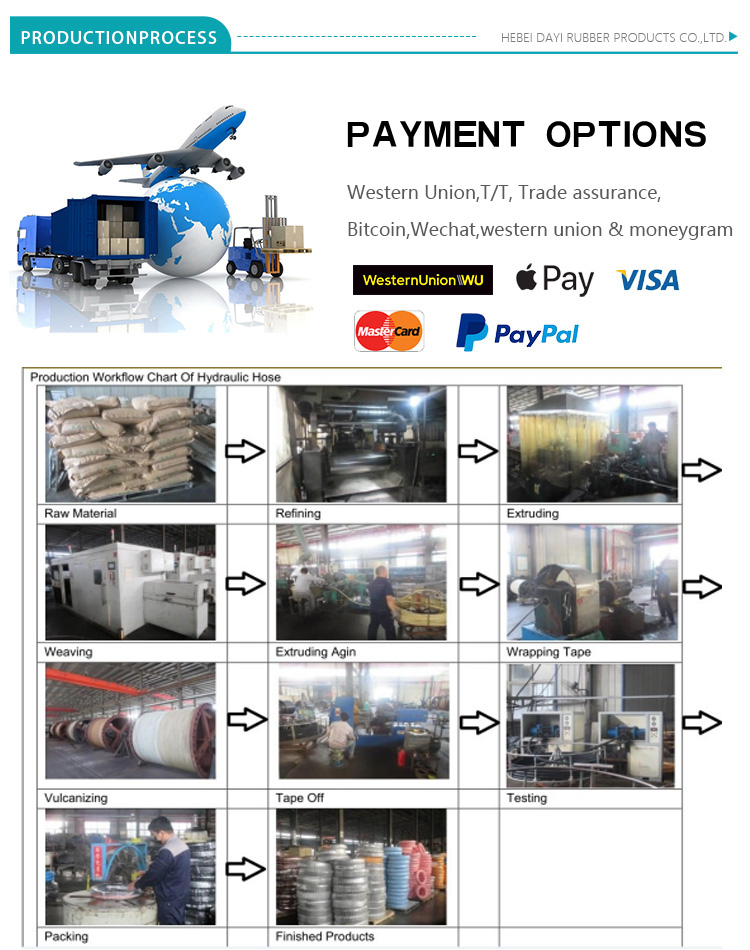
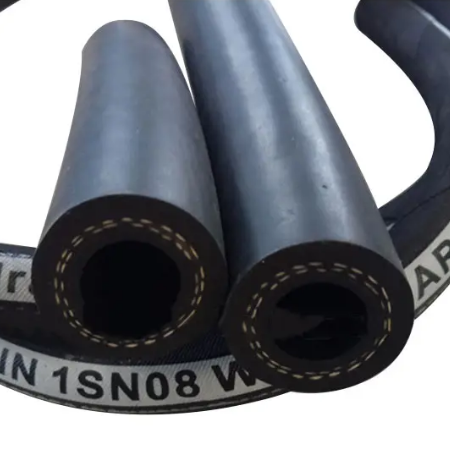
Hydraulic hose construction typically involves four key layers: the inner tube, reinforcement layers, and the outer cover. The inner tube is commonly composed of synthetic rubbers, including nitrile rubber (NBR) for oil-based hydraulic fluids, ethylene propylene diene monomer (EPDM) for phosphate ester fluids, and polytetrafluoroethylene (PTFE) for aggressive chemical environments. NBR exhibits excellent resistance to petroleum-based oils and fuels, with a typical temperature range of -40°C to 120°C. EPDM provides superior resistance to heat, ozone, and weathering, suited for applications exposed to harsh environmental conditions. PTFE offers exceptional chemical inertness but is more expensive. Reinforcement layers are critical for withstanding internal pressure. They commonly consist of multiple braids or spirals of high-tensile steel wire. The number and configuration of these layers directly dictate the hose’s pressure rating. Steel wire selection is crucial, utilizing high-carbon steel for optimal strength and fatigue resistance. Outer covers are typically made of synthetic rubbers like chloroprene (neoprene) or polyurethane. Neoprene offers good resistance to abrasion, oil, and weathering, while polyurethane provides superior abrasion resistance and cut resistance. Manufacturing processes include extrusion for the inner tube and outer cover, followed by braiding or spiraling of the reinforcement layers. Critical parameters during extrusion include die temperature, screw speed, and material viscosity to ensure consistent wall thickness and uniform material properties. Braiding tension and helix angle are rigorously controlled to achieve the desired pressure rating and flexibility. Post-processing includes curing (vulcanization) to crosslink the rubber compounds, enhancing their strength, elasticity, and chemical resistance. Quality control involves hydrostatic testing, where hoses are subjected to pressures exceeding their rated working pressure to verify integrity.
Performance & Engineering
Hydraulic hose performance is governed by several key engineering principles. Burst pressure is the maximum pressure a hose can withstand before catastrophic failure, typically four times the working pressure. Working pressure is the maximum pressure for continuous operation. Fatigue life is determined by repeated pressure cycling. Finite element analysis (FEA) is employed to simulate stress distribution within the hose layers under various loading conditions, optimizing reinforcement configuration and material selection. Hose flexibility is critical for installation in confined spaces and minimizing stress concentrations. Bend radius is a key parameter; exceeding the minimum bend radius can lead to kinking and premature failure. Environmental resistance is paramount, particularly in applications exposed to extreme temperatures, UV radiation, ozone, and corrosive fluids. Temperature cycling can induce expansion and contraction, leading to fatigue cracking. Chemical compatibility is crucial, as certain fluids can cause swelling, degradation, or embrittlement of the hose materials. Compliance requirements vary by industry and region. SAE J517, DIN EN 853, and ISO 6899 are widely recognized standards specifying performance criteria, testing procedures, and marking requirements. Hydraulic hose assemblies must also adhere to relevant safety regulations, such as those pertaining to fluid containment and pressure vessel design. The selection of appropriate fittings is equally critical. Fittings must be compatible with the hose material and capable of withstanding the operating pressure and temperature.
Technical Specifications
| Parameter | SAE 100 R1 AT | SAE 100 R2 AT | DIN EN 853 1SN | DIN EN 857 1ST |
|---|---|---|---|---|
| Working Pressure (PSI) | 1000 | 1500 | 1000 | 1450 |
| Burst Pressure (PSI) | 3000 | 4500 | 3000 | 4350 |
| Temperature Range (°C) | -40 to +100 | -40 to +100 | -40 to +100 | -40 to +100 |
| Inner Tube Material | NBR | NBR | NBR | NBR |
| Reinforcement | One Steel Wire Braid | Two Steel Wire Braids | One Steel Wire Spiral | One Steel Wire Braid |
| Outer Cover Material | Neoprene | Neoprene | Neoprene | Neoprene |
Failure Mode & Maintenance
Hydraulic hose failures can manifest in various forms. Fatigue cracking is a common failure mode resulting from repeated pressure cycling and flexing. Cracks typically initiate at the inner tube/reinforcement interface or within the reinforcement layers. Abrasion damage can occur due to contact with abrasive surfaces, leading to wear of the outer cover and subsequent reinforcement exposure. Pinholing, caused by external punctures, results in fluid leakage. Kinking, resulting from exceeding the minimum bend radius, can restrict fluid flow and induce localized stress concentrations. Chemical degradation can occur when the hose material is exposed to incompatible fluids, causing swelling, softening, or embrittlement. Oxidation of the rubber compounds can lead to hardening and cracking, particularly at elevated temperatures. To mitigate these failure modes, regular inspection is crucial. This includes visual inspection for cracks, abrasions, kinks, and leaks. Hose assemblies should be replaced if any damage is detected. Proper installation practices, including adherence to minimum bend radii and avoidance of sharp angles, are essential. Fluid cleanliness is critical; contamination can accelerate wear and damage internal components. Regular fluid analysis can identify potential contaminants and degradation products. Proper storage conditions, protecting hoses from UV radiation, ozone, and extreme temperatures, can extend their service life. Hose guards should be utilized where abrasion is a risk. Implementing a preventative maintenance schedule based on operating hours or calendar intervals is best practice.
Industry FAQ
Q: What is the difference between a braided hose and a spiral hose, and when would I choose one over the other?
A: Braided hoses consist of multiple layers of woven steel wire, providing excellent flexibility and resistance to kinking. They are suitable for applications with tight bend radii and moderate pressures. Spiral hoses utilize a single, continuously wound steel wire, offering higher pressure ratings and greater resistance to twisting and flexing. Spiral hoses are typically chosen for high-pressure applications and where greater resistance to movement is required.
Q: How does temperature affect the performance and lifespan of a hydraulic hose?
A: Extreme temperatures can significantly impact hose performance. High temperatures can accelerate oxidation and degradation of the rubber compounds, reducing their elasticity and strength. Low temperatures can cause the rubber to become brittle and less flexible. It’s crucial to select a hose with a temperature range appropriate for the application and to avoid exceeding the manufacturer's specified limits.
Q: What are the key considerations when selecting a hose fitting?
A: The fitting must be compatible with the hose material and pressure rating. The fitting’s thread type (NPT, SAE J1926, BSP) must match the port on the hydraulic system. The crimp type and size must be appropriate for the hose and fitting combination to ensure a secure and leak-free connection. Material compatibility between the fitting and the hydraulic fluid is also important.
Q: What is the role of hose guards, and when should they be used?
A: Hose guards provide external protection against abrasion, cuts, and impacts. They are essential in applications where hoses are exposed to harsh environments or potential physical damage, such as construction equipment or agricultural machinery. Using hose guards significantly extends hose lifespan and prevents catastrophic failures.
Q: What are the consequences of using a hose with an incorrect bend radius?
A: Exceeding the minimum bend radius can cause kinking, restricting fluid flow and creating localized stress concentrations. This can lead to premature failure, such as cracking or bursting. Adhering to the manufacturer's recommended bend radius is critical for ensuring hose longevity and safety.
Conclusion
The selection, installation, and maintenance of hydraulic hoses are critical aspects of ensuring the reliable and safe operation of hydraulic systems. Understanding the material science, manufacturing processes, and performance characteristics of hydraulic hoses is paramount for making informed decisions. By carefully considering factors such as pressure rating, temperature range, chemical compatibility, and environmental conditions, engineers and procurement professionals can optimize hose performance and minimize the risk of failure.
Future advancements in hydraulic hose technology are focused on developing lighter-weight materials, enhancing chemical resistance, and improving durability. Smart hoses, incorporating sensors for monitoring pressure, temperature, and leakage, are also emerging, enabling predictive maintenance and improved system efficiency. Adherence to international standards and best practices remains essential for ensuring the quality and reliability of hydraulic hose assemblies.