
Apr . 01, 2024 17:55 Back to list
hydraulic hose and fittings Performance Analysis
Introduction
Hydraulic hose and fittings constitute a critical fluid conveyance system in a wide range of industrial, mobile, and static applications. These components are responsible for the safe and efficient transmission of pressurized hydraulic fluid, powering machinery and equipment across sectors including construction, agriculture, manufacturing, and aerospace. The system’s integrity is paramount, as failure can lead to significant downtime, operational hazards, and costly repairs. This guide provides an in-depth examination of hydraulic hose and fittings, covering material science, manufacturing processes, performance characteristics, failure modes, and relevant industry standards. The core performance attributes of a hydraulic hose system—pressure rating, temperature resistance, fluid compatibility, and abrasion resistance—directly impact the reliability and longevity of the overall hydraulic system. Addressing industry pain points surrounding premature failure, fluid leakage, and maintaining system compliance forms the foundation of this technical analysis. Selecting the appropriate hose and fitting combination is not merely a matter of cost; it is a strategic engineering decision impacting operational safety and economic viability.
Material Science & Manufacturing
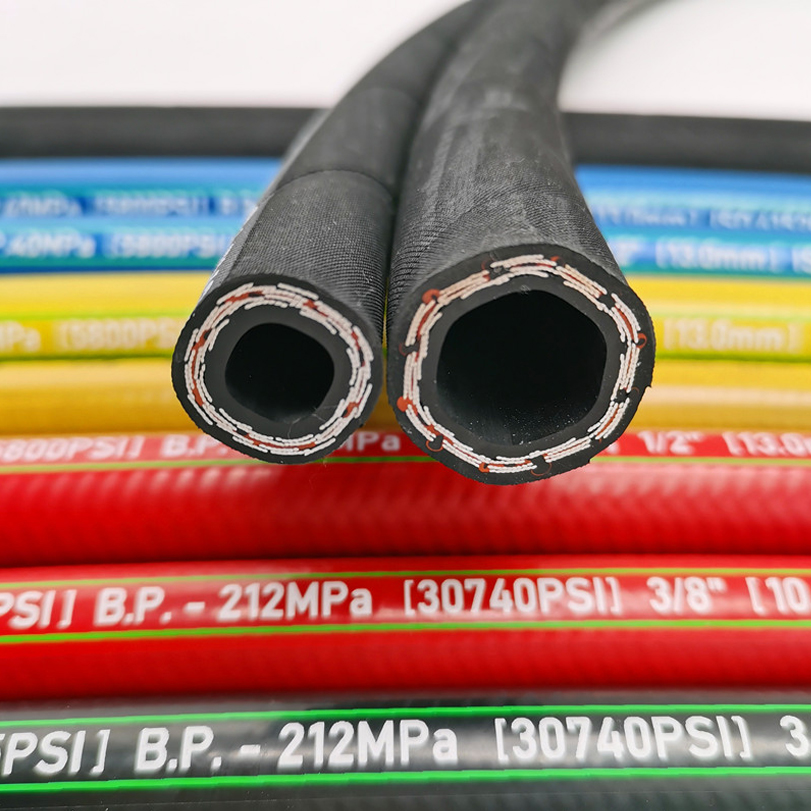
Hydraulic hoses are typically constructed from multiple layers, each serving a specific function. The innermost layer, the tube, is generally composed of synthetic rubber compounds resistant to the conveyed fluid. Common materials include nitrile (NBR) for petroleum-based fluids, ethylene propylene diene monomer (EPDM) for phosphate ester fluids, and fluoropolymers (FKM/Viton) for aggressive chemicals and high temperatures. Reinforcement layers provide the hose’s strength and pressure-withstanding capability. These layers often consist of multiple braids or spirals of high-tensile steel wire, synthetic fiber (aramid, polyester), or a combination thereof. The exterior cover, typically a synthetic rubber compound like polyurethane or chloroprene, offers abrasion, weather, and ozone resistance. Fittings are commonly manufactured from carbon steel, alloy steel, stainless steel, or brass. The manufacturing process for hoses involves extrusion of the inner tube and cover, followed by the application of reinforcement layers through braiding or spiral winding. Critical parameters during extrusion include temperature control, screw speed, and die pressure to ensure consistent wall thickness and material homogeneity. Braiding requires precise tension control to achieve the specified reinforcement density. Fittings are manufactured through processes like forging, machining, and pressure forming. Surface treatments, such as zinc plating or passivation, are applied to enhance corrosion resistance. Chemical compatibility between the hose tube material and the hydraulic fluid is a key consideration. Incompatible fluids can cause swelling, degradation, and premature failure. Furthermore, the metallurgical structure of the fitting material must be compatible with the hose reinforcement to prevent galvanic corrosion.
Performance & Engineering
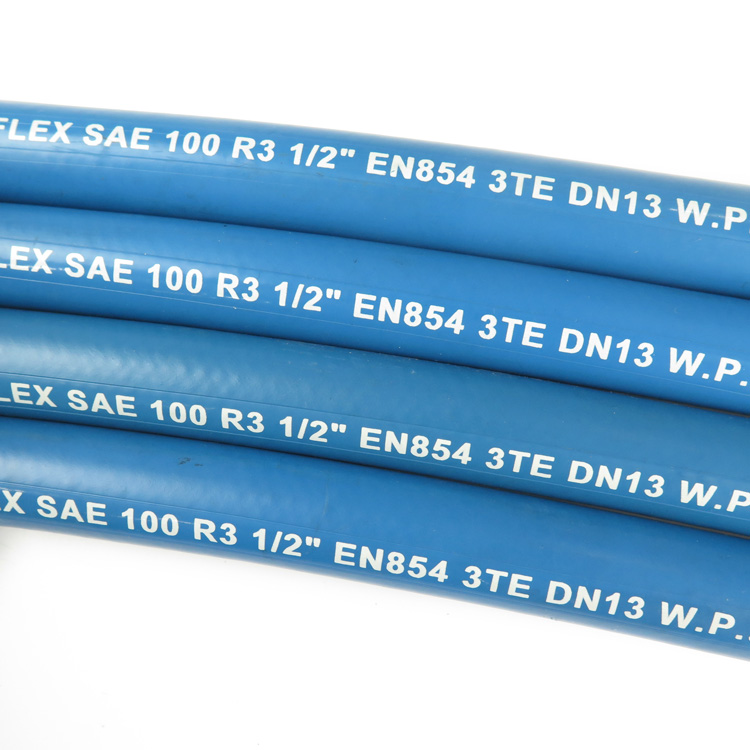
The performance of a hydraulic hose system is governed by several engineering principles. Burst pressure, working pressure, and safety factor are crucial parameters. Burst pressure represents the maximum pressure the hose can withstand before catastrophic failure, while working pressure is the maximum continuous operating pressure specified by the manufacturer. A safety factor, typically 4:1, is applied to ensure reliable operation under dynamic loading conditions. Hose selection must account for pressure spikes, pulsations, and cyclical loading. Fatigue analysis is critical, especially in applications with frequent pressure fluctuations. Environmental resistance, including temperature extremes, UV exposure, and chemical exposure, also significantly impacts performance. Hose covers must maintain flexibility and integrity across the operating temperature range. The hose’s bending radius is another important factor. Excessive bending can cause kinking, restricting fluid flow and increasing stress concentration. Fitting design influences flow rate and pressure drop. Smooth bore fittings minimize flow restriction, while tapered threads create a secure, leak-proof seal. Compliance with industry standards, such as SAE J517 and EN 853, is essential to ensure safety and interchangeability. Furthermore, proper hose assembly techniques, including correct crimping procedures, are paramount to achieving the specified performance characteristics. Finite element analysis (FEA) is often used to optimize hose and fitting designs and predict their behavior under various loading conditions.
Technical Specifications
| Parameter | Unit | SAE 100R2 AT | SAE 100R6 |
|---|---|---|---|
| Working Pressure | PSI | 1200 | 2250 |
| Burst Pressure | PSI | 3600 | 6750 |
| Temperature Range | °F | -40 to +212 | -40 to +212 |
| Cover Material | - | Synthetic Rubber | Synthetic Rubber |
| Reinforcement | - | Two Steel Wire Braids | Four Steel Wire Braids |
| Fluid Compatibility | - | Petroleum Based Fluids | Petroleum Based Fluids |
Failure Mode & Maintenance
Hydraulic hose failures commonly manifest in several forms. Bursting is a catastrophic failure resulting from exceeding the hose’s pressure rating. Kinking occurs when the hose is bent beyond its minimum bend radius, restricting fluid flow and potentially causing localized stress concentrations. Abrasion leads to wear and tear of the hose cover, exposing the reinforcement layers and increasing the risk of failure. Leakage can occur at the fitting connection due to improper crimping, damaged seals, or corrosion. Internal degradation of the hose tube material, caused by chemical incompatibility or thermal aging, can also lead to failure. Failure analysis often reveals root causes related to improper installation, exceeding pressure limits, or inadequate maintenance. Preventative maintenance is critical. Regular visual inspections should be conducted to identify signs of wear, abrasion, kinking, or leakage. Hoses should be replaced at recommended intervals, regardless of their apparent condition. Proper storage is essential to prevent degradation due to UV exposure and temperature extremes. Crimping procedures must adhere to manufacturer’s specifications to ensure a secure and leak-proof connection. When replacing hoses, it’s crucial to use fittings that are compatible with the hose reinforcement material to prevent galvanic corrosion. Furthermore, maintaining clean hydraulic fluid and using appropriate filtration systems can minimize internal degradation and extend hose life.
Industry FAQ
Q: What is the significance of the hose’s “dash size” and how does it relate to flow rate?
A: The dash size (e.g., -6, -8, -10) refers to the internal diameter of the hose in sixteenths of an inch. A larger dash size indicates a larger internal diameter, which directly correlates to a higher flow rate, assuming other factors like pressure drop and fluid viscosity remain constant. Selecting the appropriate dash size is crucial for maintaining optimal system performance and avoiding flow restrictions.
Q: How do I determine the appropriate working pressure rating for a hydraulic hose?
A: The working pressure rating should be significantly higher than the maximum system pressure, including any anticipated pressure spikes or surges. A common rule of thumb is to select a hose with a working pressure rating at least four times the maximum system pressure. Consider the entire system’s pressure profile and potential dynamic loads.
Q: What is the role of fitting material in preventing corrosion?
A: Fitting material compatibility with both the hose reinforcement and the hydraulic fluid is paramount. Using dissimilar metals can lead to galvanic corrosion. Stainless steel fittings are generally preferred for their corrosion resistance, particularly in harsh environments. Protective coatings, such as zinc plating, can also enhance corrosion protection for carbon steel fittings.
Q: What are the common causes of hose kinking, and how can it be prevented?
A: Hose kinking is typically caused by bending the hose beyond its minimum bend radius. This can occur due to improper routing, insufficient support, or dynamic movement. Prevent kinking by ensuring adequate hose support, avoiding sharp bends, and selecting a hose with a smaller bend radius if space is limited.
Q: What are the key considerations when selecting a hose for high-temperature applications?
A: For high-temperature applications, it’s critical to select a hose with a tube and cover material specifically designed for elevated temperatures. Fluoropolymer (FKM/Viton) tubes and covers offer excellent heat resistance. Ensure the hose’s temperature rating exceeds the maximum operating temperature of the hydraulic fluid. Additionally, consider the effect of temperature on the hose’s pressure rating, as it typically decreases with increasing temperature.
Conclusion
The selection and maintenance of hydraulic hose and fittings are intrinsically linked to the overall reliability and safety of hydraulic systems. This guide has demonstrated the critical importance of understanding material science, manufacturing processes, performance characteristics, and potential failure modes. Ignoring these elements can lead to catastrophic failures, costly downtime, and potentially hazardous situations. The complexities of hydraulic system design necessitate a rigorous approach to component selection, emphasizing compatibility, pressure ratings, and environmental resistance.
Looking ahead, advancements in hose materials and manufacturing techniques are focused on improving durability, reducing weight, and enhancing fluid compatibility. The adoption of smart hose technology, incorporating sensors to monitor pressure, temperature, and vibration, offers the potential for predictive maintenance and proactive failure prevention. Continued adherence to industry standards and best practices is paramount, alongside ongoing training and education for hydraulic system professionals.