
Apr . 01, 2024 17:55 Back to list
hydraulic hose and fitting Performance Analysis
Introduction
Hydraulic hose and fittings constitute a critical component in fluid power systems, enabling the transmission of hydraulic fluid to actuators and other components. They represent a mature, yet continually evolving technology, directly influencing system efficiency, reliability, and safety. Positioned downstream in the manufacturing chain from raw material production (rubber, steel, thermoplastics) and fitting metallurgy, hydraulic hose assemblies serve diverse industries including construction, agriculture, manufacturing, aerospace, and oil & gas. Core performance metrics include pressure rating, temperature range, fluid compatibility, and burst strength. A key industry pain point revolves around ensuring hose assemblies meet stringent safety standards while simultaneously optimizing cost and minimizing downtime due to failure. The increasing demand for higher operating pressures in modern hydraulic systems, coupled with the need for reduced weight and increased flexibility, drives ongoing innovation in materials and manufacturing techniques.
Material Science & Manufacturing
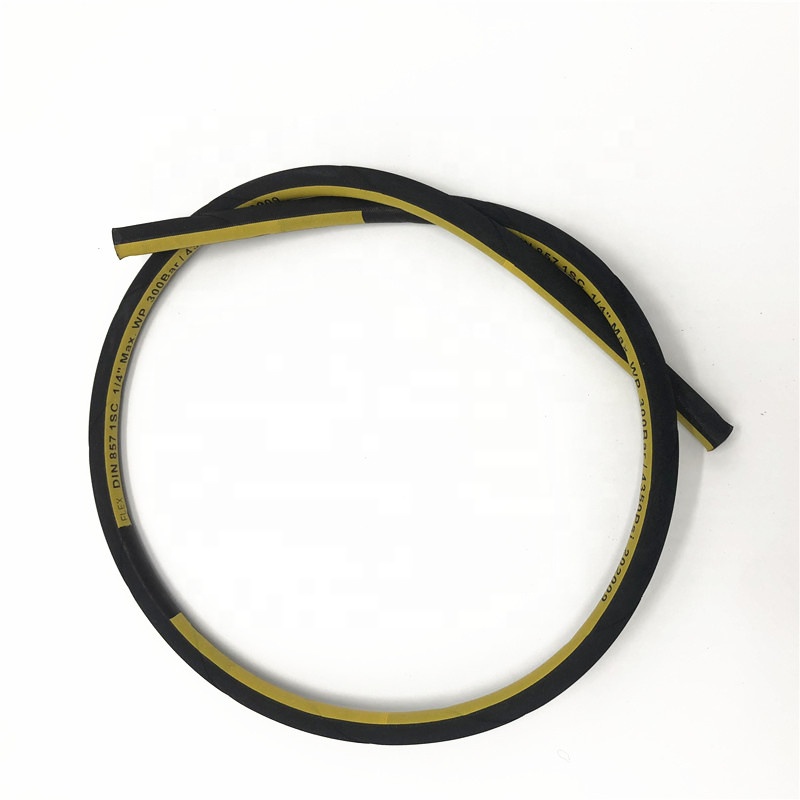
Hydraulic hose construction typically involves multiple layers. The inner tube, in contact with the fluid, is commonly composed of synthetic rubbers like nitrile (NBR), ethylene propylene diene monomer (EPDM), or fluorocarbon (FKM/Viton) selected for compatibility with the hydraulic fluid. NBR offers excellent resistance to petroleum-based fluids, while EPDM excels in phosphate ester hydraulic fluids and offers superior heat resistance. FKM provides exceptional resistance to a broad range of chemicals and high temperatures, but at a higher cost. The reinforcement layer provides the hose's strength and pressure resistance. This typically consists of one or more braids or spirals of high-tensile steel wire. The number of layers and wire diameter dictate the pressure rating. An outer cover, usually made of synthetic rubber such as chloroprene (CR) or polyurethane (PU), protects the reinforcement layer from abrasion, weather, and oil degradation. Thermoplastic hoses, utilizing materials like polyester or polyamide, are increasingly common, offering lighter weight and improved chemical resistance in certain applications.
Manufacturing processes vary depending on hose type. Rubber hoses are produced through extrusion, where the rubber compound is forced through a die to form the inner tube and outer cover. Reinforcement layers are applied during the braiding or spiraling process, utilizing specialized machinery to precisely wind the steel wire. Curing (vulcanization) is then performed to cross-link the rubber molecules, enhancing its strength, elasticity, and resistance to degradation. Thermoplastic hoses are manufactured through extrusion and co-extrusion processes. Fittings are manufactured through various methods, including forging, machining, and cold forming, predominantly from carbon steel, stainless steel, or brass. Critical parameters during manufacturing include precise temperature control during extrusion and curing, consistent wire tension during braiding, and accurate fitting dimensions to ensure leak-proof connections. Non-destructive testing, such as ultrasonic inspection, is crucial for detecting flaws in the reinforcement layer.
Performance & Engineering
Hydraulic hose performance is fundamentally governed by pressure containment and fluid conveyance. Force analysis focuses on hoop stress within the hose wall, which increases proportionally with internal pressure and hose diameter. Reinforcement layer design is critical to withstand these stresses and prevent burst failure. Finite Element Analysis (FEA) is commonly employed to model stress distribution and optimize hose construction. Environmental resistance is paramount; hoses must withstand exposure to temperature extremes, UV radiation, ozone, and corrosive fluids. The selection of appropriate rubber compounds and protective covers is essential. Flexibility is also a crucial engineering consideration. Hose bend radius must be maintained within specified limits to avoid kinking, which restricts flow and can lead to premature failure.
Compliance requirements vary by industry and region. SAE International standards (e.g., SAE J517, SAE J1926) are widely adopted in North America for hose and fitting specifications. EN standards (e.g., EN 853, EN 857) are prevalent in Europe. These standards define pressure ratings, temperature ranges, dimensional tolerances, and testing procedures. Furthermore, hose assemblies must comply with relevant safety regulations, such as those pertaining to hazardous materials handling and workplace safety. Proper hose routing, support, and protection are vital for ensuring long-term reliability and preventing accidental damage. The correct selection of fitting types (e.g., crimped, threaded, flanged) based on application requirements and fluid compatibility is also crucial.
Technical Specifications
| Parameter | SAE J517 R1AT | DIN EN 853 1SN | Thermoplastic Hose |
|---|---|---|---|
| Maximum Working Pressure (PSI) | 1500 | 3150 | 2250 |
| Burst Pressure (PSI) | 4500 | 9450 | 6750 |
| Temperature Range (°F) | -40 to +212 | -40 to +212 | -40 to +176 |
| Reinforcement | Single Steel Wire Braid | Single Steel Wire Braid | Synthetic Textile Braid |
| Inner Tube | NBR (Nitrile Rubber) | NBR (Nitrile Rubber) | Polyester |
| Outer Cover | CRM (Chloroprene Rubber) | CRM (Chloroprene Rubber) | Polyurethane |
Failure Mode & Maintenance
Common failure modes in hydraulic hoses include burst failure due to exceeding pressure limits, fatigue cracking from repeated flexing, abrasion damage from external contact, and degradation of rubber compounds due to exposure to heat, chemicals, and UV radiation. Internal corrosion can also occur if incompatible fluids are used or if moisture contaminates the hydraulic system. Fitting failures often result from improper crimping, corrosion of the fitting material, or damage to threads. Failure analysis typically involves visual inspection, microscopic examination of fractured surfaces, and chemical analysis of the hose material. Fatigue cracking often exhibits ratchet marks on the fracture surface. Burst failures typically originate at a weak point in the reinforcement layer.
Preventive maintenance is crucial for extending hose life and preventing catastrophic failures. Regular visual inspections should be conducted to identify signs of abrasion, cracking, or leaks. Hose assemblies should be replaced at recommended intervals, even if no visible damage is present. Proper hose routing and support are essential to minimize stress and abrasion. Fluid contamination should be prevented through the use of filters and regular fluid analysis. Fittings should be inspected for corrosion and damage, and replaced as necessary. Crimping procedures should be carefully followed to ensure a secure and leak-proof connection. Furthermore, proper storage of hoses in a cool, dry, and dark environment can prevent degradation of rubber compounds.
Industry FAQ
Q: What is the impact of fluid velocity on hydraulic hose life?
A: Higher fluid velocity increases frictional heat and can accelerate erosion of the inner tube, leading to premature failure. It also exacerbates fatigue due to increased pressure pulsations. Proper hose sizing is crucial to maintain fluid velocity within acceptable limits, typically below 15 ft/s for most hydraulic systems.
Q: How does ozone affect rubber hydraulic hoses?
A: Ozone attacks unsaturated bonds in the rubber polymer, causing cracking and degradation. This is particularly problematic for hoses exposed to outdoor environments or electrical equipment that generates ozone. Utilizing ozone-resistant rubber compounds, such as EPDM, and applying protective coatings can mitigate this issue.
Q: What are the key considerations when selecting a hose fitting material?
A: Fitting material must be compatible with the hydraulic fluid and the hose reinforcement material to prevent corrosion and galvanic reactions. Carbon steel is commonly used, but stainless steel is preferred for corrosive environments. Proper thread sealant should also be used to ensure a leak-proof connection.
Q: What is the significance of the 'dash size' in hydraulic hose nomenclature?
A: The dash size (e.g., -6, -8, -10) refers to the inner diameter of the hose in sixteenths of an inch. It’s a critical parameter for determining flow capacity and compatibility with fittings and system components.
Q: How can I determine the correct hose pressure rating for my application?
A: The hose pressure rating must exceed the maximum system pressure, including pressure spikes and surges. A safety factor of 4:1 is generally recommended. Consider the operating temperature, fluid compatibility, and potential for external loads when selecting a hose.
Conclusion
Hydraulic hose and fitting technology represents a mature field, yet demands ongoing attention to material science advancements and rigorous adherence to industry standards. The selection process extends beyond simply choosing a hose based on pressure rating; factors such as fluid compatibility, temperature range, environmental exposure, and the inherent risks of specific failure modes must be carefully considered. The long-term reliability and safety of hydraulic systems hinge on the proper specification, installation, and maintenance of these critical components.
Future developments are likely to focus on lightweight materials, improved chemical resistance, and smart hose technologies incorporating sensors for real-time monitoring of pressure, temperature, and degradation. Furthermore, the increasing adoption of Industry 4.0 principles will drive the development of predictive maintenance strategies based on data analytics and machine learning, optimizing hose replacement schedules and minimizing unplanned downtime. A holistic approach encompassing robust design, quality manufacturing, and diligent maintenance remains paramount for ensuring the optimal performance and longevity of hydraulic hose assemblies.