
Apr . 01, 2024 17:55 Back to list
hydraulic hose 4sp Performance Analysis
Introduction
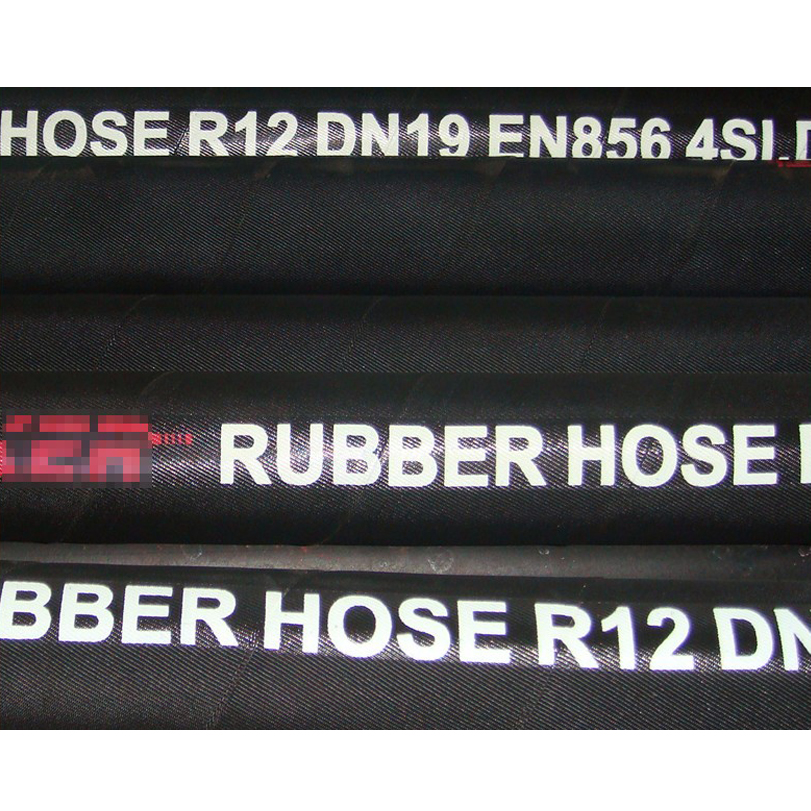
Hydraulic hose 4SP represents a critical component in fluid power systems across numerous industries, including construction, agriculture, manufacturing, and automotive. Classified according to SAE J517, 4SP hoses are engineered for medium-pressure applications utilizing petroleum-based hydraulic fluids. The '4SP' designation indicates a synthetic rubber inner tube, single wire braid reinforcement, and a synthetic rubber cover. Their primary function is the reliable and efficient transmission of hydraulic power, facilitating the operation of heavy machinery and control systems. The hose’s performance is dictated by factors such as working pressure, burst pressure, temperature range, and fluid compatibility. A core industry pain point revolves around premature hose failure due to improper specification, exceeding pressure limits, or incompatibility with fluids, leading to costly downtime and potential safety hazards. Effective hose selection and regular inspection are therefore paramount.
Material Science & Manufacturing
The construction of a 4SP hydraulic hose relies on a carefully selected combination of materials. The inner tube is typically composed of nitrile rubber (NBR) due to its excellent resistance to petroleum-based hydraulic fluids. NBR exhibits good abrasion resistance and flexibility, crucial for maintaining flow and enduring dynamic bending. The reinforcement layer, consisting of a single braid of high-strength steel wire, provides the pressure-withstanding capability. Wire diameter, braid angle, and wire surface treatment influence the hose's burst pressure and fatigue life. The cover is generally manufactured from chloroprene rubber (CR), also known as Neoprene, offering protection against abrasion, weathering, ozone, and oil exposure. Manufacturing processes begin with extrusion of the inner tube and cover materials. The steel wire braid is simultaneously applied during the extrusion process, ensuring full encapsulation and structural integrity. Post-extrusion, the hose undergoes vulcanization, a chemical process utilizing heat and pressure to cross-link the rubber polymers, enhancing strength, elasticity, and resistance to degradation. Key parameter control during vulcanization – temperature, pressure, and time – significantly affects the final hose properties. Precise dimensional control throughout the manufacturing process is essential to ensure proper fitting compatibility and prevent leaks.
Performance & Engineering
The performance of a 4SP hydraulic hose is governed by principles of fluid mechanics and material stress-strain relationships. Working pressure, typically ranging from 1000 to 2500 psi depending on hose size and manufacturer specifications, represents the maximum continuous operating pressure. Burst pressure, generally four times the working pressure, indicates the point of catastrophic failure. Fatigue life, a critical engineering parameter, describes the number of pressure cycles the hose can withstand before failure. This is heavily influenced by pulse pressure (pressure fluctuations) and operating temperature. Environmental resistance is crucial; exposure to extreme temperatures (both high and low) and UV radiation can accelerate degradation of the rubber compounds. Compliance requirements, such as those stipulated by SAE J517 and ISO 6897, dictate minimum performance standards for pressure rating, dimensional accuracy, and material properties. The hose's flexibility is engineered to withstand bending radii, minimizing stress concentration at the bend points. Force analysis considers internal pressure, tensile stress from bending, and external loads. Proper hose routing and support are essential to prevent kinking, abrasion, and excessive bending stress, all of which can compromise performance and lead to premature failure.
Technical Specifications
| Parameter | Unit | Typical Value (1/2" ID Hose) | Testing Standard |
|---|---|---|---|
| Working Pressure | psi | 2000 | SAE J517 |
| Burst Pressure | psi | 8000 | SAE J517 |
| Inner Tube Material | - | Nitrile Rubber (NBR) | ASTM D2000 |
| Reinforcement | - | Single Steel Wire Braid | SAE J517 |
| Cover Material | - | Chloroprene Rubber (CR) | ASTM D2000 |
| Temperature Range | °F | -40 to +212 | SAE J517 |
Failure Mode & Maintenance
4SP hydraulic hoses are susceptible to several failure modes. Fatigue cracking, occurring after repeated pressure cycles, often initiates at the braid crossover points. Abrasion, caused by external contact with abrasive surfaces, degrades the cover, exposing the reinforcement layer to corrosion. Oil degradation and incompatibility can cause swelling or softening of the inner tube, leading to leaks and reduced pressure capacity. Ozone cracking, particularly in CR covers exposed to atmospheric ozone, creates surface cracks that propagate over time. Kinking, resulting from excessive bending or improper routing, restricts flow and creates stress concentration, leading to failure. Delamination can occur between the tube, reinforcement, and cover layers, compromising structural integrity. Maintenance should include regular visual inspections for signs of abrasion, cracking, swelling, or leaks. Hose routing should be carefully planned to avoid sharp bends, abrasion points, and excessive heat sources. Proper fluid compatibility is crucial; always verify that the hydraulic fluid is compatible with the hose materials. Periodic pressure testing can identify weaknesses before catastrophic failure. Replace hoses exhibiting any signs of damage or exceeding their service life. Proper hose assembly with compatible fittings is also vital for preventing leaks and failures.
Industry FAQ
Q: What is the impact of exceeding the working pressure of a 4SP hose?
A: Exceeding the working pressure significantly reduces the hose’s fatigue life and dramatically increases the risk of catastrophic failure. Even short-term overpressure events can cause permanent damage to the reinforcement and inner tube, leading to leaks or burst. Repeated overpressure accelerates fatigue cracking and delamination, ultimately resulting in hose failure and potential safety hazards.
Q: How does temperature affect the performance of a 4SP hydraulic hose?
A: Extreme temperatures can negatively impact the hose's properties. High temperatures accelerate rubber degradation, reducing flexibility and increasing the risk of cracking. Low temperatures can cause the rubber to become brittle, reducing its resistance to impact and abrasion. Operating outside the specified temperature range can compromise the hose’s pressure rating and overall performance.
Q: What fluid types are compatible with a standard 4SP hose?
A: 4SP hoses are generally compatible with petroleum-based hydraulic fluids. However, compatibility with specific fluids should be verified by referencing the hose manufacturer's specifications. Fluids containing additives or incompatible with NBR inner tubes can cause swelling, softening, or degradation of the rubber, leading to leaks and failure.
Q: How do I determine the appropriate hose length and fitting selection?
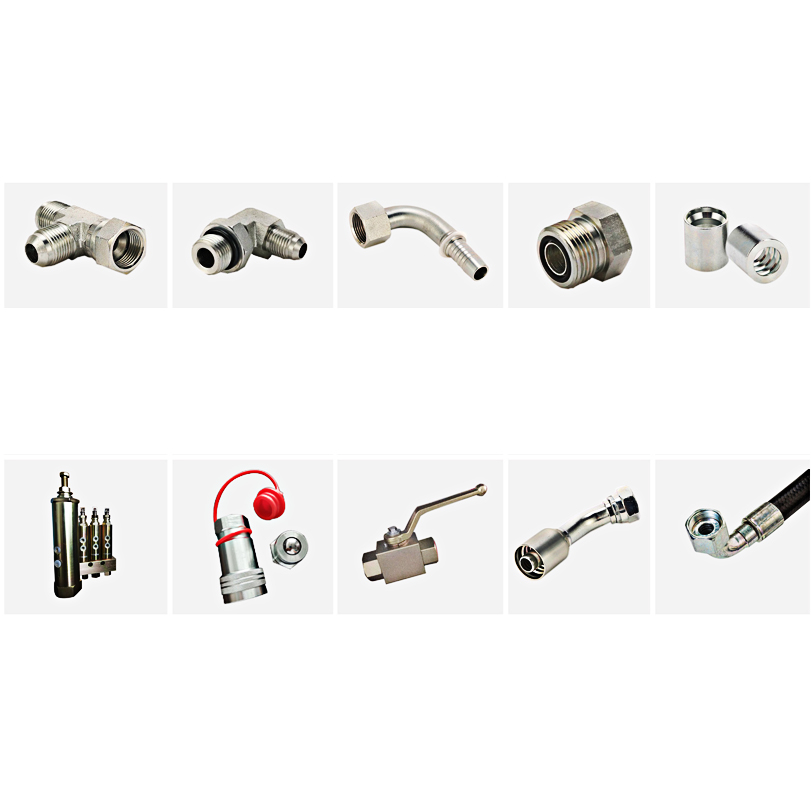
A: Accurate hose length is critical to prevent stress from stretching or compression. Measure the required length carefully, accounting for fitting insertion depths. Fitting selection must match the hose’s ID and thread type, and be rated for the system’s working pressure. Incorrect fittings can lead to leaks or premature failure.
Q: What are the key visual inspection points for identifying potential hose failures?
A: Visually inspect the hose for abrasions, cracks (particularly near fittings and braid crossovers), swelling, blistering, oil leaks, and kinks. Check fittings for corrosion or damage. Any observed defects warrant immediate hose replacement to prevent catastrophic failure and ensure safe operation.
Conclusion
The 4SP hydraulic hose remains a ubiquitous and essential component in diverse industrial applications. Its construction, leveraging synthetic rubbers and steel wire reinforcement, provides a balance of flexibility, pressure resistance, and fluid compatibility. Understanding the material science, manufacturing processes, and performance characteristics of these hoses is crucial for ensuring reliable operation and preventing costly failures. Proper selection, installation, and regular maintenance are paramount for maximizing hose life and maintaining system safety.
As hydraulic systems become increasingly sophisticated, advancements in hose technology, such as improved rubber compounds and reinforcement materials, will continue to enhance performance and durability. Future developments may focus on creating hoses with greater resistance to extreme temperatures, wider fluid compatibility, and extended service life. Continued adherence to industry standards and best practices will remain vital for optimizing the performance and reliability of 4SP hydraulic hoses in demanding applications.