
Apr . 01, 2024 17:55 Back to list
high temperature hydraulic hose Performance Analysis
Introduction
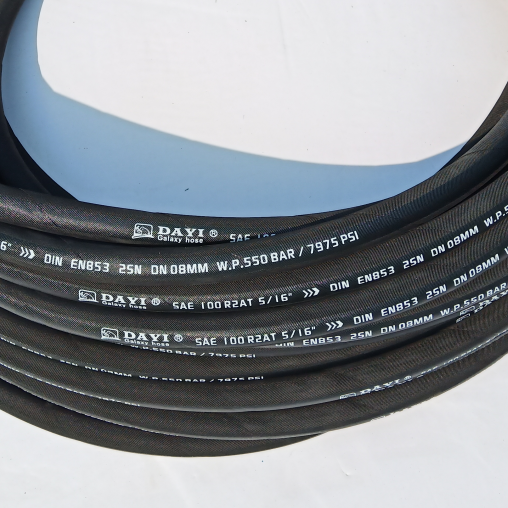
High temperature hydraulic hose is a critical component in fluid power systems operating in demanding thermal environments. Unlike standard hydraulic hose, these assemblies are engineered to maintain performance characteristics – pressure rating, flexibility, and volumetric efficiency – at elevated temperatures. Their position within the industrial chain lies between the hydraulic power unit (pump, valves, reservoir) and the actuated device (cylinder, motor). Core performance attributes center on sustained pressure capacity, thermal stability preventing degradation of reinforcement layers, and resistance to fluid permeation at high temperatures. Failure in these areas can lead to catastrophic system downtime, safety hazards, and significant economic losses. The industry faces challenges in balancing cost-effectiveness with the requirement for increasingly robust performance in applications like steel mills, foundries, engine testing, and geothermal energy production.
Material Science & Manufacturing
The construction of high-temperature hydraulic hose relies on a careful selection of materials and a tightly controlled manufacturing process. The inner tube is typically composed of specialized synthetic rubbers like fluoroelastomers (FKM, commonly known as Viton) or fluorinated ethylene propylene (FEP) exhibiting exceptional resistance to high temperatures and aggressive fluids. These polymers possess strong carbon-fluorine bonds which contribute to their thermal stability. Reinforcement layers, crucial for pressure containment, utilize high-tensile strength spiraled steel wire, often stainless steel (304 or 316 grade) for enhanced corrosion resistance. The outer cover is commonly a blend of synthetic rubbers providing abrasion, ozone, and UV resistance, often incorporating a woven rayon or polyester braid for added protection.
Manufacturing begins with extrusion of the inner tube, ensuring precise wall thickness and consistent material distribution. The steel wire reinforcement is then spiraled onto the inner tube under tension, creating the hose’s structural integrity. This is a critical parameter; inadequate tension leads to premature fatigue failure, while excessive tension can distort the inner tube. Vulcanization, a crosslinking process using heat and pressure, is essential to bond the rubber layers to the steel reinforcement. Temperature, time, and pressure during vulcanization must be meticulously controlled to achieve optimal polymer crosslinking and adhesion. Subsequent braiding of the outer cover and final inspection complete the process. Non-destructive testing, including pressure testing to twice the working pressure and impulse testing simulating dynamic loads, are vital quality control measures.
Performance & Engineering
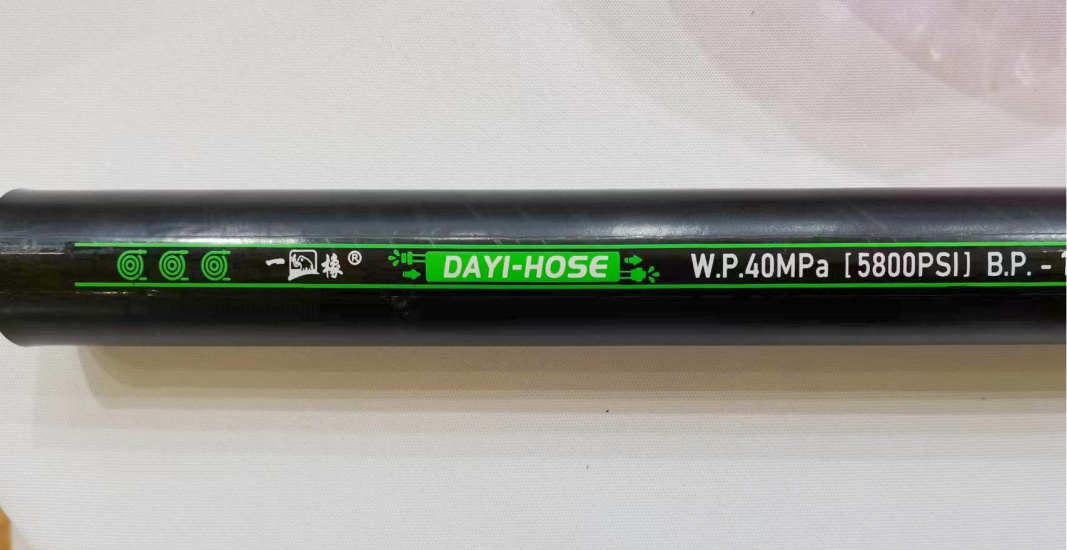
Performance of high-temperature hydraulic hose is dictated by several key engineering considerations. Burst pressure, working pressure, and temperature rating are fundamental. Burst pressure is typically four times the working pressure, establishing a safety factor. However, temperature significantly impacts working pressure; a hose rated for 3000 PSI at 70°F may have a reduced working pressure at 200°F. This derating factor must be accounted for in system design. Flexibility, characterized by bend radius, is another critical parameter. A tighter bend radius increases stress on the reinforcement layers, potentially leading to fatigue failure.
Environmental resistance is paramount. Exposure to ozone, UV radiation, and aggressive chemicals (oils, fuels, hydraulic fluids) can degrade the rubber components, reducing hose lifespan. Hydraulic fluid compatibility is equally important. Incompatibility can lead to swelling, softening, or cracking of the inner tube, causing leaks and system failure. Furthermore, the hose must withstand dynamic loads induced by pressure pulsations and mechanical vibrations. Finite element analysis (FEA) is frequently employed to model stress distribution under various operating conditions, optimizing hose design for longevity and reliability. Compliance with industry standards like SAE J517 (hydraulic hose) and ISO 18754 (high-temperature hose) is essential for ensuring safety and performance.
Technical Specifications
| Parameter | Unit | Specification Range (Typical) | Test Standard |
|---|---|---|---|
| Working Pressure | PSI | Up to 6000 | SAE J517 |
| Burst Pressure | PSI | 24000 (4:1 safety factor) | SAE J517 |
| Temperature Range | °F | -40 to +450 | ISO 18754 |
| Inner Tube Material | - | FKM (Viton), FEP | ASTM D1418 |
| Reinforcement | - | High-Tensile Steel Wire (Spiral) | ASTM A370 |
| Outer Cover Material | - | Synthetic Rubber Blend (Abrasion & Weather Resistant) | ASTM D2000 |
Failure Mode & Maintenance
High-temperature hydraulic hose is susceptible to several failure modes. Fatigue cracking, initiated by repeated flexing and pressure pulsations, is a common occurrence, particularly near the fittings. This is exacerbated by excessive bend radius and vibration. Thermal degradation of the rubber compounds, leading to embrittlement and loss of elasticity, is a significant concern at elevated temperatures. Oxidation, induced by exposure to oxygen and heat, also contributes to material degradation. Permeation of hydraulic fluid through the hose wall, resulting in pressure loss and environmental contamination, can occur, especially with incompatible fluids. Fitting failures, including corrosion, loosening, or damage to the crimp, are another frequent source of leaks. Delamination of the reinforcement layers, caused by inadequate bonding during vulcanization or corrosion of the steel wire, can lead to catastrophic failure.
Preventative maintenance is crucial. Regular visual inspections should be conducted to identify signs of cracking, abrasion, swelling, or discoloration. Hose assemblies should be replaced at scheduled intervals, even if no visible damage is apparent. Proper hose routing, avoiding sharp bends and contact with hot surfaces, is essential. Ensure fittings are correctly installed and tightened to the manufacturer's specifications. Regularly check hydraulic fluid levels and condition, ensuring compatibility with the hose materials. Implement a fluid analysis program to detect contamination and degradation. If a hose fails, a thorough failure analysis should be performed to identify the root cause and prevent recurrence.
Industry FAQ
Q: What is the impact of hydraulic fluid type on the lifespan of a high-temperature hose?
A: Hydraulic fluid compatibility is paramount. Incompatible fluids can cause swelling, softening, or cracking of the inner tube, dramatically reducing lifespan. Synthetic fluids like phosphate esters require specific hose materials (e.g., FKM) due to their aggressive chemical properties. Always verify fluid compatibility with the hose manufacturer’s specifications before installation.
Q: How does operating temperature affect the hose's pressure rating?
A: As operating temperature increases, the working pressure rating of the hose decreases. This derating is due to the reduction in material strength and increased permeation rates at higher temperatures. Manufacturers provide derating charts indicating the allowable working pressure at various temperatures. Failing to account for temperature derating can lead to premature failure.
Q: What are the common causes of fitting failure in high-temperature applications?
A: Common causes include corrosion of the fitting material, especially in harsh environments; loosening of the fitting due to vibration; damage to the crimp during installation or operation; and incompatibility between the fitting material and the hose reinforcement. Using high-quality fittings and ensuring proper crimping procedures are critical.
Q: What is the role of steel wire reinforcement in high-temperature hose performance?
A: Steel wire reinforcement provides the primary structural support, enabling the hose to withstand high pressures. The spiral winding configuration resists hoop stress and prevents hose expansion under pressure. The type of steel (carbon or stainless) impacts corrosion resistance. The tension applied during winding is also critical; improper tension leads to fatigue failure.
Q: What is the recommended inspection frequency for high-temperature hydraulic hose in a critical application?
A: The inspection frequency should be determined by the severity of the application and the hose's operating conditions. For critical applications with high temperatures, pressures, and vibration, weekly or bi-weekly inspections are recommended. Inspections should include a visual check for cracks, abrasions, leaks, and proper fitting tightness. A formal record of inspections should be maintained.
Conclusion
High-temperature hydraulic hose represents a specialized engineering solution for fluid power systems operating in extreme thermal environments. Its performance hinges on a sophisticated interplay of material science, manufacturing precision, and diligent maintenance practices. Understanding the potential failure modes – fatigue cracking, thermal degradation, and fluid permeation – is essential for ensuring system reliability and minimizing downtime.
Looking forward, advancements in polymer technology will likely yield hose materials with even greater thermal stability and chemical resistance. The integration of sensor technology within the hose assembly to monitor pressure, temperature, and internal fluid conditions offers the potential for predictive maintenance and enhanced safety. Adherence to relevant international standards, coupled with rigorous quality control, remains paramount for ensuring the long-term performance and integrity of these critical components.