
Apr . 01, 2024 17:55 Back to list
high quality hydraulic hose crimping machine factory Performance Analysis
Introduction
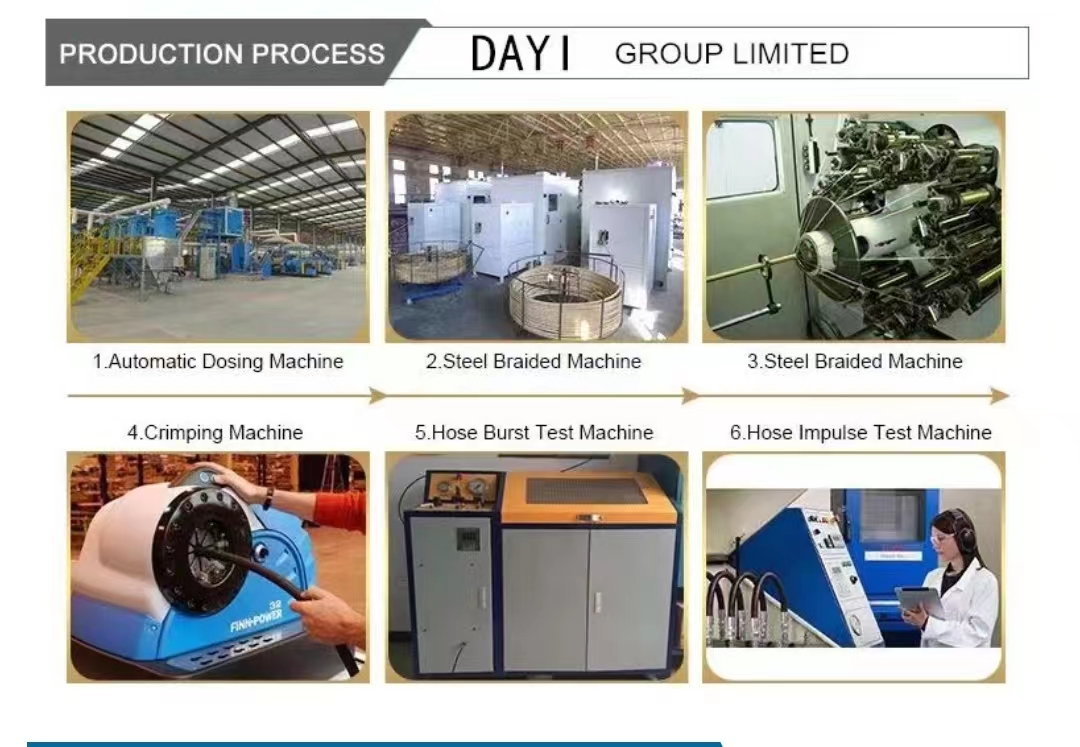
Hydraulic hose crimping machines are critical components in the manufacturing and maintenance of hydraulic systems across numerous industries, including construction, agriculture, mining, and automotive. These machines are employed to securely attach fittings to hydraulic hoses, ensuring leak-proof connections capable of withstanding extreme pressures and dynamic loads. A 'high quality hydraulic hose crimping machine factory' signifies a manufacturing entity dedicated to producing machines exhibiting superior precision, durability, and reliability. This guide provides a comprehensive technical overview of these machines, encompassing material science, manufacturing processes, performance characteristics, potential failure modes, and relevant industry standards. The core performance of these machines centers around consistent crimp diameter, ovality control, and the ability to process a wide range of hose and fitting combinations while maintaining structural integrity. Improper crimping can lead to catastrophic failures in hydraulic systems, highlighting the importance of machine quality and precise operation. The industry faces increasing demands for machines capable of handling new hose materials, tighter tolerances, and automated control systems.
Material Science & Manufacturing
The core of a hydraulic hose crimping machine relies on robust material selection and precise manufacturing. The machine frame is typically constructed from high-strength carbon steel (ASTM A36 or equivalent) chosen for its yield strength and weldability. Critical components like dies and bushings utilize tool steels, such as AISI D2 or equivalent, offering exceptional hardness (HRC 60-65) and wear resistance. Hydraulic cylinders are commonly manufactured from honed steel tubing (ASTM A519) with a surface finish optimized for seal performance. The hydraulic fluid used in the system (typically ISO VG 46 or 68 grade hydraulic oil) must exhibit excellent thermal stability and lubricity. Manufacturing processes involve CNC machining for precision components, induction hardening for dies, and meticulous quality control checks at each stage. Welding procedures (AWS D1.1) are critical for frame construction, requiring qualified welders and non-destructive testing (NDT) such as ultrasonic testing or radiographic inspection to ensure structural integrity. Key parameter control includes die geometry (critical for even pressure distribution), material heat treatment (to achieve desired hardness), and hydraulic system calibration (to ensure precise force application). Die material selection is paramount; a mismatch between die material hardness and hose fitting material can lead to premature die wear or hose damage. The manufacturing process for the dies themselves involves wire EDM cutting followed by precision grinding to achieve the required dimensional accuracy and surface finish.
Performance & Engineering
Performance evaluation of hydraulic hose crimping machines centers around force analysis, crimp integrity, and cycle time. The machine’s maximum crimping force (typically ranging from 50 to 200 tons) directly impacts its ability to process different hose and fitting sizes. Finite element analysis (FEA) is used to optimize die geometry and machine frame design to minimize stress concentration and ensure even pressure distribution during the crimping process. Environmental resistance is crucial; machines operating in harsh environments require corrosion-resistant coatings (e.g., powder coating meeting ASTM B117 standards) and sealed electrical components (IP65 or higher rating). Compliance requirements vary by region, but often include adherence to safety standards such as EN ISO 13849-1 (safety of machinery) and UL certifications. Functional implementation relies on precise control of the hydraulic system. Proportional valves are frequently employed to regulate oil flow and pressure, enabling accurate control of crimping force and speed. Advanced machines incorporate programmable logic controllers (PLCs) for automated cycle control and data logging. A critical engineering consideration is the prevention of ‘splitting’ during crimping – this occurs when excessive force causes the fitting sleeve to deform and cut into the hose reinforcement. Proper die selection and force control are essential to mitigate this risk. Furthermore, ovality, the deviation from a perfect circular crimp, must be minimized to ensure a proper seal and prevent leakage.
Technical Specifications
| Parameter | Unit | Typical Range (High Quality Machine) | Testing Standard |
|---|---|---|---|
| Crimping Force | Tons | 80-150 | ISO 1497-1 |
| Hose ID Range | mm | 6 – 51 | SAE J517 |
| Fitting Face Angle | Degrees | 30, 45, 60, 90 | DIN EN 853 |
| Crimping Die Hardness | HRC | 62-65 | ASTM A99 |
| Cycle Time (Average) | Seconds | 15-30 | Internal Testing |
| Control System | Type | PLC with HMI | IEC 61131-3 |
Failure Mode & Maintenance
Common failure modes in hydraulic hose crimping machines include die cracking (due to fatigue or overload), hydraulic cylinder leaks (caused by seal failure), pump cavitation (resulting from inadequate oil supply), and electrical component failure (often due to voltage fluctuations or environmental factors). Fatigue cracking in dies is often initiated at stress concentration points and can be detected through dye penetrant inspection (ASTM E165). Hydraulic cylinder leaks require seal replacement and careful inspection of the cylinder bore for damage. Pump cavitation can be prevented through proper oil filtration and maintaining adequate oil levels. Regular maintenance is critical for preventing these failures. This includes daily visual inspections for leaks, monthly lubrication of moving parts, annual hydraulic oil analysis (ASTM D941), and periodic die inspection and refurbishment. Preventative maintenance schedules should also include calibration of the pressure gauges and control system. A key failure mode often overlooked is the improper storage of dies; corrosion can significantly reduce their lifespan. Die storage should be in a climate-controlled environment with appropriate rust inhibitors applied. Furthermore, proper operator training is essential to avoid misuse and accidental damage to the machine and its components.
Industry FAQ
Q: What is the impact of different die angles on crimp quality?
A: Die angle is critical. A 30-degree angle is typically used for flareless fittings, 45-degree for standard fittings, 60-degree for bite-type fittings, and 90-degree for certain specialized applications. Using the incorrect angle will result in a compromised crimp, leading to leakage or premature failure. The angle must match the fitting’s intended design.
Q: How often should the hydraulic oil be replaced?
A: Hydraulic oil should be replaced annually or after 5000 operating hours, whichever comes first. Regular oil analysis (ASTM D941) can help determine the oil’s condition and identify contaminants. Oil degradation is accelerated by heat and contamination.
Q: What are the key indicators of die wear?
A: Indicators of die wear include visible cracks, chipping, or deformation. A noticeable increase in crimping force required to achieve the same crimp diameter is also a strong indication. Regular dimensional checks with calibrated measuring instruments are crucial.
Q: What safety features should be present in a high-quality crimping machine?
A: Essential safety features include a two-hand control system, emergency stop buttons, safety guards, and interlocks to prevent operation with the door open. The machine should also comply with relevant safety standards like EN ISO 13849-1.
Q: What is the procedure for calibrating the crimping force?
A: Calibration involves using a calibrated force gauge to verify that the machine’s displayed force reading accurately reflects the actual force applied. This typically involves crimping a test hose assembly and measuring the resulting crimp diameter and force. Adjustments are made to the hydraulic system as needed.
Conclusion
High quality hydraulic hose crimping machines are indispensable for ensuring the reliable operation of hydraulic systems. Their performance is inherently linked to careful material selection, precise manufacturing processes, and adherence to stringent quality control measures. The ability to consistently produce accurate, durable crimps is paramount, impacting not only the longevity of hose assemblies but also the safety and efficiency of the equipment they serve.
Future trends in this technology will likely focus on increased automation, data analytics for predictive maintenance, and the development of machines capable of handling new materials and evolving industry standards. Continuous improvement in die design, hydraulic system control, and operator training will be crucial for maintaining competitiveness and delivering superior performance in the years to come.