
Apr . 01, 2024 17:55 Back to list
high pressure washer hose Performance Analysis
Introduction
High pressure washer hose is a critical component in fluid transfer systems, specifically designed to withstand extreme pressures generated by pressure washing equipment. Positioned within the industrial chain as a specialized sub-assembly of the complete pressure washer system, its performance directly dictates the efficiency, safety, and longevity of the entire apparatus. Unlike standard garden hoses, these hoses utilize reinforced constructions to manage pressures exceeding 3000 PSI (pounds per square inch) and temperatures up to 150°F, depending on the specific application and hose construction. Core performance characteristics include burst pressure, working pressure, kink resistance, abrasion resistance, and compatibility with various cleaning solutions. The industry faces persistent challenges related to hose failure due to exceeding pressure limits, material degradation from chemical exposure, and physical damage during operation, prompting a need for robust designs and stringent quality control.
Material Science & Manufacturing
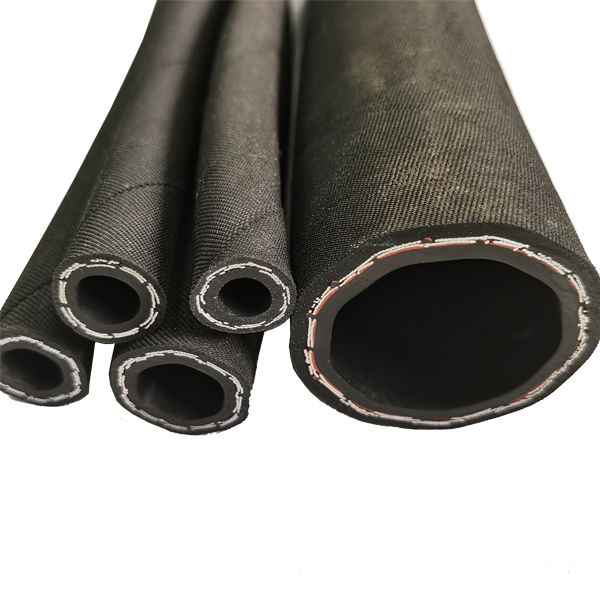
The construction of high pressure washer hose typically involves multiple layers, each contributing to specific performance attributes. The inner tube, commonly composed of synthetic rubbers like nitrile (NBR), chloroprene (CR – Neoprene), or thermoplastic polyurethane (TPU), provides chemical resistance and fluid compatibility. Nitrile offers good oil resistance, chloroprene excels in weathering and moderate chemical exposure, and TPU demonstrates superior abrasion resistance and flexibility. The reinforcement layer is crucial for withstanding high pressure. Common materials include high-tensile steel wire (single or multiple braids), aramid fiber (Kevlar), or a combination thereof. Steel wire provides the highest pressure capability, but is heavier and less flexible; aramid fibers offer a good balance of strength, weight, and flexibility. Finally, the outer cover, typically made of acrylonitrile butadiene styrene (ABS), PVC, or polyurethane, provides abrasion, UV, and weathering protection. Manufacturing processes involve extrusion of the inner tube and outer cover, followed by precisely winding the reinforcement layer onto the inner tube. Vulcanization, a chemical process involving heat and sulfur, is then used to crosslink the rubber compounds, enhancing their strength, elasticity, and resistance to degradation. Precise control of temperature, pressure, and cure time during vulcanization is paramount to achieving optimal material properties. Quality control involves rigorous testing of each layer and the final assembled hose, including pressure testing to burst, impulse testing to simulate dynamic pressure fluctuations, and dimensional inspections to ensure consistent manufacturing tolerances.
Performance & Engineering
The performance of a high pressure washer hose is governed by several engineering principles. The hoop stress within the hose wall, resulting from internal pressure, is directly proportional to the pressure and radius, and inversely proportional to the wall thickness. Therefore, increasing wall thickness or reducing the hose diameter increases pressure capacity. Fatigue analysis is critical, as hoses are subjected to cyclical pressure loading during operation. This cyclical stress can lead to fatigue cracking and eventual failure, even if the working pressure is below the burst pressure. Impulse testing simulates these dynamic pressure fluctuations and assesses the hose’s resistance to fatigue. Chemical compatibility is another key consideration. Prolonged exposure to harsh chemicals, such as strong detergents or solvents, can cause the inner tube to swell, degrade, or crack, leading to leaks or failure. Abrasion resistance is vital, particularly in industrial applications where the hose may come into contact with rough surfaces. The outer cover’s material and thickness play a significant role in protecting the hose from abrasion. Kink resistance is also important for ease of use and preventing flow restriction. Hose designs often incorporate features like anti-kink collars or spiral reinforcement to improve flexibility and prevent kinking. Compliance requirements, such as those outlined by the SAE (Society of Automotive Engineers) standards, dictate minimum performance criteria for burst pressure, working pressure, and temperature resistance.
Technical Specifications
| Parameter | Unit | Typical Value (Standard Grade) | Typical Value (Premium Grade) |
|---|---|---|---|
| Working Pressure | PSI | 3000 | 4500 |
| Burst Pressure | PSI | 9000 | 13500 |
| Inner Tube Material | - | NBR (Nitrile Rubber) | TPU (Thermoplastic Polyurethane) |
| Reinforcement | - | Single Steel Wire Braid | Double Steel Wire Braid/Aramid Fiber |
| Outer Cover Material | - | PVC | Polyurethane |
| Temperature Range | °F | -40 to 150 | -40 to 212 |
Failure Mode & Maintenance
High pressure washer hose is susceptible to several failure modes. Bursting is the most catastrophic failure, typically caused by exceeding the working pressure or a pre-existing defect in the hose wall. Fatigue cracking occurs due to repeated pressure cycles, initiating at stress concentration points like fittings or abrasions. Chemical degradation results from exposure to incompatible cleaning solutions, causing the inner tube to swell, crack, or lose its elasticity. Abrasion damage occurs when the outer cover is worn away, exposing the reinforcement layer to corrosion or damage. Kinking can lead to localized stress concentrations and eventual failure. Delamination, the separation of layers within the hose wall, can significantly reduce its pressure capacity. Maintenance practices are crucial for extending hose life. Regular visual inspections should be performed to check for cracks, abrasions, bulges, or leaks. Hoses should be properly stored when not in use, avoiding direct sunlight, extreme temperatures, and contact with incompatible chemicals. Fittings should be securely tightened to prevent leaks. Avoid sharp bends or kinks during operation. If damage is detected, the hose should be replaced immediately. Periodic pressure testing can also help identify potential weaknesses before catastrophic failure occurs. Correct hose selection for the intended application is vital; choosing a hose rated for higher pressure and compatible with the cleaning solutions being used will significantly reduce the risk of failure.
Industry FAQ
Q: What is the difference between single and double wire braid reinforcement, and how does it affect pressure rating?
A: Single wire braid reinforcement provides adequate strength for standard pressure washing applications (up to approximately 3000 PSI). Double wire braid significantly increases the hose's tensile strength and pressure capacity (often exceeding 4500 PSI) because it doubles the amount of reinforcing material. This makes double braid hoses ideal for heavy-duty applications or those requiring higher flow rates. The increased reinforcement also provides enhanced kink resistance.
Q: How do I determine the chemical compatibility of a hose with a specific cleaning solution?
A: Chemical compatibility charts are readily available from hose manufacturers. These charts list various chemicals and their compatibility ratings with different hose materials (NBR, CR, TPU, etc.). It's crucial to consult the chart to ensure the hose's inner tube is resistant to the specific chemicals being used. Using an incompatible hose can lead to rapid degradation and failure.
Q: What is the impact of hose length on pressure drop?
A: Longer hose lengths increase frictional resistance to fluid flow, resulting in a pressure drop. The pressure drop is proportional to the hose length and the flow rate. For long hose runs, it may be necessary to use a larger diameter hose to minimize pressure loss and maintain adequate cleaning performance.
Q: How often should I replace my high pressure washer hose?
A: The replacement frequency depends on usage and operating conditions. As a general guideline, hoses should be inspected regularly and replaced if they show signs of wear, damage, or degradation. Even with careful use, hoses should be replaced every 2-3 years as the materials degrade over time. Hoses used in harsh environments or with abrasive chemicals may require more frequent replacement.
Q: What are the common causes of hose kinking, and how can it be prevented?
A: Kinking occurs when the hose is bent sharply, restricting fluid flow and potentially causing damage. Common causes include insufficient hose flexibility, improper handling, and obstructions in the hose path. Prevention strategies include using a hose with a higher degree of flexibility (e.g., TPU inner tube, aramid reinforcement), avoiding sharp bends, and using hose reels or guides to maintain a smooth hose path.
Conclusion
High pressure washer hose technology represents a critical intersection of material science, mechanical engineering, and chemical resistance. Selecting the correct hose for a specific application requires a thorough understanding of working pressure, chemical compatibility, temperature requirements, and potential failure modes. The continued development of advanced materials, such as reinforced polymers and specialized rubber compounds, is driving improvements in hose performance, durability, and safety.
Moving forward, a greater emphasis on predictive maintenance and condition monitoring technologies will likely emerge, enabling operators to proactively identify and address potential hose failures before they occur. This, coupled with adherence to established industry standards and best practices for hose handling and storage, will ensure the long-term reliability and efficiency of high pressure washing systems.