
Apr . 01, 2024 17:55 Back to list
high pressure steel wire braided hydraulic hose Performance Analysis
Introduction
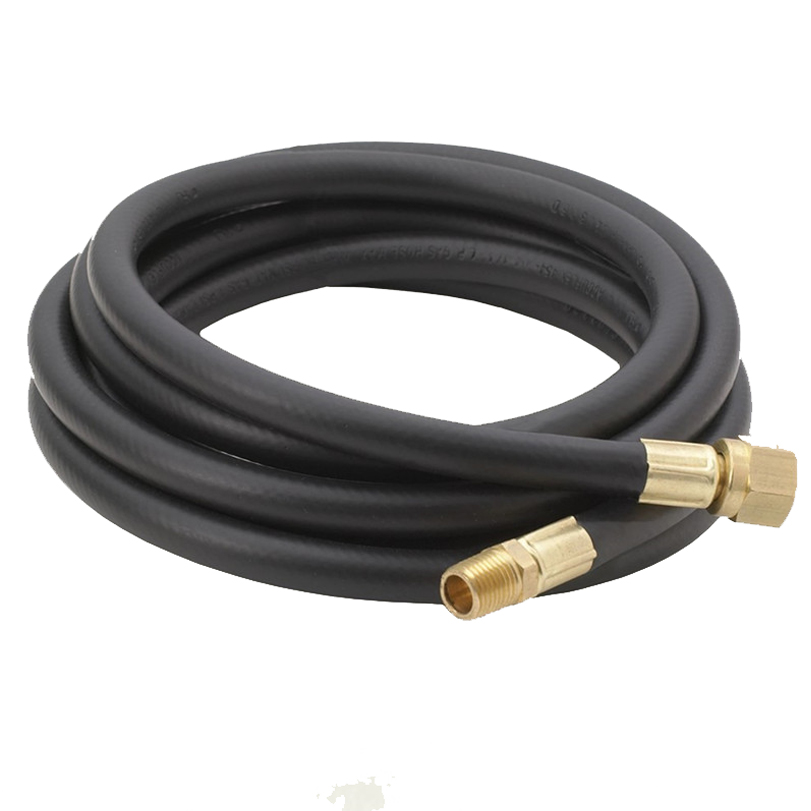
High pressure steel wire braided hydraulic hose is a reinforced flexible conduit designed to transmit hydraulic fluid under substantial pressure in a variety of industrial and mobile applications. Positioned within the fluid power transmission system, it serves as a critical component linking pumps, valves, actuators, and other hydraulic machinery. Its primary function is to safely and efficiently convey hydraulic power, enabling the operation of heavy equipment in sectors such as construction, agriculture, manufacturing, and aerospace. Core performance characteristics revolve around pressure capacity, burst pressure, temperature resistance, and resistance to fluid compatibility issues, directly impacting system reliability and safety. The demand for these hoses is driven by the increasing sophistication and reliance on hydraulic systems across numerous industries, requiring robust and dependable fluid power transmission solutions. The industry faces continual pressure to improve hose durability, reduce weight, and enhance performance in increasingly demanding operating environments.
Material Science & Manufacturing
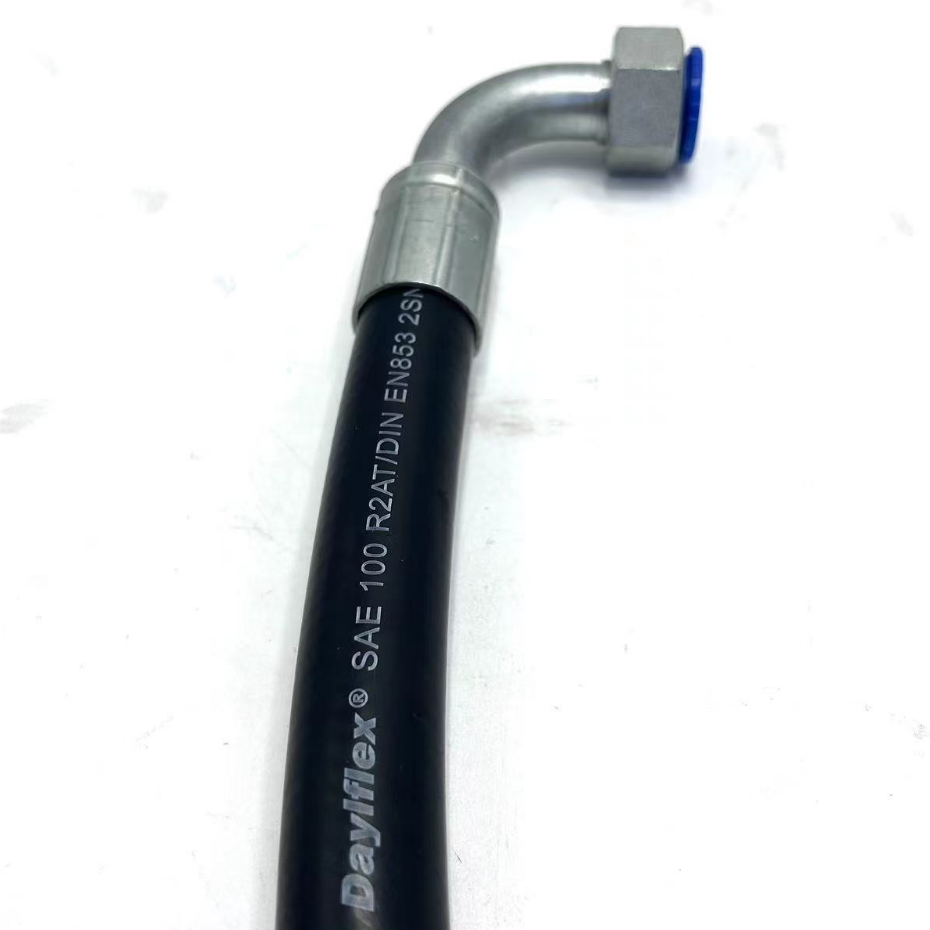
The construction of high pressure steel wire braided hydraulic hose relies on a carefully selected combination of materials and precise manufacturing processes. The inner tube is typically composed of synthetic rubber compounds, predominantly nitrile (NBR), ethylene propylene diene monomer (EPDM), or fluorocarbon (FKM), chosen for their compatibility with specific hydraulic fluids and operating temperatures. NBR provides good resistance to petroleum-based fluids, EPDM excels in phosphate ester fluid resistance and high-temperature applications, while FKM offers superior resistance to a wide range of aggressive chemicals and extreme temperatures. The reinforcement layer consists of high-strength steel wire, typically carbon steel conforming to standards like SAE J1926, formed into a braided structure. The number of braids (typically 2, 4, or 6) directly influences the hose's pressure rating; more braids provide higher pressure capacity. Between the inner tube and the steel wire, a bonding layer is applied, frequently a rubber-based adhesive, to ensure secure adhesion and prevent separation under pressure. Finally, an outer cover, typically composed of chloroprene (CR) or polyurethane (PU), provides abrasion resistance, weather protection, and resistance to oil and chemicals.
Manufacturing involves several key steps. The inner tube is extruded through a die to create a seamless, consistent diameter. The steel wire is simultaneously wound around a mandrel in a precise braiding pattern, creating the reinforcement layer. The bonding layer is then applied, followed by the insertion of the braided reinforcement into the inner tube. A vulcanization process, involving heat and pressure, cures the rubber compounds and establishes a strong bond between the layers. The outer cover is then extruded over the assembly, followed by final inspection and testing. Critical process parameters include extrusion temperature, braiding tension, vulcanization time and temperature, and dimensional accuracy. Variations in these parameters can significantly impact hose performance and longevity. Automated braiding machines and precise extrusion controls are essential for consistent quality.
Performance & Engineering
The performance of high pressure steel wire braided hydraulic hose is dictated by a complex interplay of material properties and geometric design. Force analysis is crucial in determining the hose’s ability to withstand internal pressure. The hoop stress in the inner tube, and shear stress in the steel wire braids, must be carefully calculated to ensure that the hose can operate safely below its burst pressure. Burst pressure is typically four times the working pressure. Finite Element Analysis (FEA) is frequently used to model stress distribution under various loading conditions, including pressure surges and bending moments. Environmental resistance is a significant concern, particularly exposure to temperature extremes, ozone, UV radiation, and corrosive fluids. Materials selection and cover compounds must be chosen to mitigate degradation in these environments.
Compliance requirements are stringent. SAE J517 specifies performance requirements for hydraulic hoses, including pressure ratings, temperature ranges, and fluid compatibility. ISO 6897 and EN 857 are equivalent European standards. The hose must also meet specific industry standards related to fire resistance (e.g., ISO 90015 for construction machinery) and fluid containment. Functional implementation considerations include bend radius, hose length, and connection methods (crimped fittings are most common). Excessive bending or sharp turns can induce stress concentrations and lead to premature failure. Proper fitting selection and crimping procedures are essential to ensure a secure and leak-free connection. Furthermore, the hose’s flexibility and weight must be optimized for the intended application.
Technical Specifications
| Parameter | Unit | Specification (Typical) | Test Standard |
|---|---|---|---|
| Working Pressure | MPa | 20-40 | SAE J517 |
| Burst Pressure | MPa | 80-160 | SAE J517 |
| Temperature Range | °C | -40 to +100 | SAE J517 |
| Inner Tube Material | - | NBR, EPDM, FKM | ASTM D2000 |
| Reinforcement Material | - | High-Strength Steel Wire | SAE J1926 |
| Outer Cover Material | - | CR, PU | ASTM D2000 |
Failure Mode & Maintenance
High pressure steel wire braided hydraulic hose is susceptible to several failure modes. Fatigue cracking, particularly at the crimp connections, is a common issue resulting from cyclical pressure and bending. Delamination, or separation of the layers, can occur due to insufficient bonding or degradation of the adhesive. The steel wire braids can experience corrosion, reducing their strength and potentially leading to rupture. Outer cover degradation, caused by ozone, UV radiation, or abrasion, compromises the hose’s protection against environmental factors. Oxidation of the inner tube material can result in hardening and cracking, reducing its flexibility and compatibility with hydraulic fluid.
Preventative maintenance is critical. Regular visual inspections should be conducted to identify signs of wear, damage, or leaks. Hose assemblies should be replaced at predetermined intervals, based on operating conditions and manufacturer recommendations. Proper routing and support are essential to minimize bending stress and abrasion. Avoid sharp turns and ensure adequate clearance from moving parts. When replacing hoses, it's crucial to use compatible fittings and employ correct crimping procedures. Hydraulic fluid should be regularly analyzed for contamination and maintained within specified parameters. Storage conditions are also important; hoses should be stored in a cool, dry, and dark environment to prevent degradation. Proper cleaning with appropriate solvents can remove surface contaminants and prolong hose life.
Industry FAQ
Q: What is the impact of hydraulic fluid incompatibility on hose lifespan?
A: Hydraulic fluid incompatibility can severely reduce hose lifespan. If the fluid chemically attacks the inner tube material, it can cause swelling, softening, or cracking, leading to leaks and failure. Selecting a hose with an inner tube material specifically compatible with the hydraulic fluid is paramount. Consulting fluid compatibility charts and manufacturer specifications is essential.
Q: How does the number of steel wire braids affect the hose's pressure rating?
A: Increasing the number of steel wire braids directly increases the hose's pressure rating. Each additional braid adds reinforcement, enhancing the hose's ability to withstand internal pressure. However, increasing braids also reduces flexibility, so a balance must be struck based on the application requirements.
Q: What are the critical factors to consider when selecting hose fittings?
A: Hose fittings must be compatible with the hose material, the hydraulic fluid, and the operating pressure and temperature. The fitting material should be corrosion resistant and mechanically strong. Proper crimping is crucial for a secure and leak-free connection. Fittings should also be appropriately sized for the hose and the port connection.
Q: What are the recommended procedures for handling and storing hydraulic hoses?
A: Hydraulic hoses should be handled carefully to avoid damage to the outer cover. They should be stored in a cool, dry, and dark environment, away from direct sunlight, ozone sources, and extreme temperatures. Hoses should be coiled loosely and protected from abrasion during storage and transport.
Q: What role does bend radius play in hose longevity?
A: Maintaining the recommended minimum bend radius is critical for hose longevity. Exceeding the specified bend radius induces stress concentrations, increasing the risk of fatigue cracking and premature failure. Support the hose properly to prevent excessive bending and ensure it operates within its design limits.
Conclusion
High pressure steel wire braided hydraulic hose represents a sophisticated engineering solution for fluid power transmission, demanding careful consideration of material science, manufacturing processes, and performance characteristics. Ensuring compatibility with hydraulic fluids, selecting appropriate reinforcement levels, and adhering to industry standards are fundamental to achieving reliable and safe operation. The ongoing drive for enhanced durability, reduced weight, and improved environmental resistance necessitates continuous innovation in materials and manufacturing techniques.
Looking forward, advancements in hose technology will likely focus on developing lighter-weight materials, enhancing corrosion resistance, and incorporating smart sensing capabilities for real-time monitoring of hose condition. The integration of digital technologies for predictive maintenance will also play an increasingly important role in optimizing hose lifespan and minimizing downtime. Ultimately, a thorough understanding of the technical aspects outlined in this guide is essential for engineers, procurement managers, and maintenance personnel alike, contributing to the longevity and efficiency of hydraulic systems across a wide range of industries.