
Apr . 01, 2024 17:55 Back to list
high pressure steel wire braided hydraulic hose manufacturers Performance Analysis
Introduction
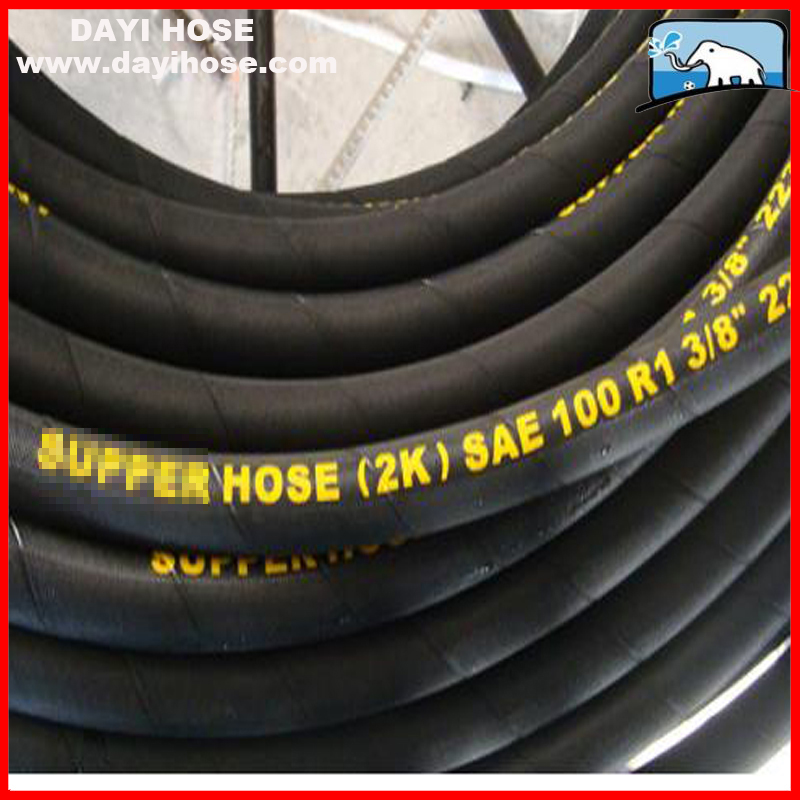
High pressure steel wire braided hydraulic hose is a critical component in fluid power systems, designed to transmit hydraulic fluid to various actuators and components. Positioned between the hydraulic fluid source (pump) and the application (cylinder, motor, valve), these hoses are integral to the efficient and reliable operation of heavy machinery in industries such as construction, agriculture, mining, and manufacturing. Their primary function is to withstand extreme pressures, resist abrasion, and maintain flexibility across a wide temperature range. Core performance characteristics include burst pressure, working pressure, impulse performance (resistance to pressure pulsations), and resistance to fluid compatibility degradation. The selection and proper implementation of these hoses are paramount to system safety and longevity, with failures often leading to costly downtime and potential hazards.
Material Science & Manufacturing
The construction of high pressure steel wire braided hydraulic hose involves a layered system of materials, each contributing to the overall performance. The inner tube is typically constructed from a synthetic rubber compound, most commonly nitrile (NBR) due to its excellent resistance to petroleum-based hydraulic fluids. Other materials like ethylene propylene diene monomer (EPDM) are used for compatibility with phosphate ester fluids. The reinforcement layer comprises multiple braids of high-tensile steel wire, typically carbon steel, designed to withstand internal pressure. The wire undergoes surface treatment processes like galvanization or phosphating to enhance corrosion resistance. The outer cover, usually a synthetic rubber like chloroprene (CR) or polyurethane (PU), provides abrasion, weather, and ozone protection. Manufacturing begins with the extrusion of the inner tube, followed by the precise winding of the steel wire braids. The number of braids directly impacts the hose’s pressure rating, with higher braid counts providing greater strength. The outer cover is then extruded over the braided reinforcement. Key parameter control during manufacturing includes maintaining consistent rubber compound viscosity, precise wire tension during braiding, and accurate vulcanization temperatures to ensure proper crosslinking of the rubber components. Dimensional accuracy and adherence to tight tolerances are critical to prevent leaks and ensure reliable performance. Post-manufacturing, each hose undergoes rigorous pressure testing to verify its burst pressure and leak tightness.

Performance & Engineering
The performance of a steel wire braided hydraulic hose is fundamentally governed by principles of fluid mechanics and material stress-strain relationships. The hose must withstand internal pressure without rupture, which is determined by the tensile strength of the steel wire and the number of braids. A critical engineering consideration is hoop stress, calculated using the Barlow’s formula (σ = PD/2t, where σ is hoop stress, P is internal pressure, D is inner diameter, and t is wall thickness). Impulse performance, the ability to withstand pressure pulsations, is a significant failure mode. These pulsations create cyclical stress on the hose materials, leading to fatigue failure over time. Engineering solutions include the use of anti-collapse structures within the hose and optimized hose routing to minimize dynamic stress. Environmental resistance is also paramount. Exposure to extreme temperatures, UV radiation, and corrosive fluids can degrade the rubber compounds, reducing their flexibility and strength. Proper material selection and the addition of antioxidants and UV stabilizers are crucial. Compliance requirements, dictated by standards like SAE J517 and EN 853, specify minimum performance criteria for burst pressure, working pressure, and temperature range. Furthermore, static and dynamic bend radii must be considered to prevent kinking and damage to the hose reinforcement.
Technical Specifications
| Parameter | Unit | SAE 100R2AT | SAE 100R6 |
|---|---|---|---|
| Working Pressure | MPa | 20.7 | 21.0 |
| Burst Pressure | MPa | 82.7 | 84.0 |
| Temperature Range | °C | -40 to +100 | -40 to +100 |
| Inner Tube Material | - | Synthetic Rubber (NBR) | Synthetic Rubber (NBR) |
| Reinforcement | - | Two Steel Wire Braids | Six Steel Wire Spiral |
| Outer Cover Material | - | Synthetic Rubber (CR) | Synthetic Rubber (CR) |
Failure Mode & Maintenance
Common failure modes in steel wire braided hydraulic hoses include burst failure due to exceeding the working pressure, fatigue cracking from repeated pressure pulsations, pinhole leaks caused by abrasion or damage to the outer cover, and end connection failure. Corrosion of the steel wire reinforcement, particularly in humid environments or with incompatible fluids, can significantly reduce hose strength and lead to catastrophic failure. Delamination, the separation of the rubber layers from the reinforcement, can occur due to inadequate bonding during manufacturing or prolonged exposure to high temperatures. Oxidation of the rubber compounds leads to hardening and cracking, reducing flexibility and increasing the risk of leaks. Proper maintenance is critical to extending hose life. Regular visual inspections should be conducted to identify any signs of damage, such as cuts, abrasions, or swelling. Hose routing should be optimized to minimize bending and twisting. Fluid compatibility must be verified to ensure the hose material is resistant to the hydraulic fluid being used. Periodic replacement of hoses based on a predetermined schedule or after a specific number of operating hours is recommended. When replacing hoses, it’s crucial to use correctly sized fittings and ensure proper crimping to prevent leaks and failures at the connection points.
Industry FAQ
Q: What is the impact of hose length on pressure rating?
A: Longer hose lengths inherently experience a greater pressure drop due to frictional losses within the fluid. While the static burst pressure remains constant, the usable working pressure is reduced with increased length. Longer hoses are also more susceptible to vibration and dynamic stress, potentially accelerating fatigue failure. Therefore, minimizing hose length is generally recommended, and pressure loss calculations should be performed for longer runs.
Q: How does the type of hydraulic fluid affect hose selection?
A: Hydraulic fluid compatibility is critical. Nitrile (NBR) rubber is suitable for petroleum-based fluids, but incompatible with phosphate ester fluids, which require EPDM. Incorrect fluid compatibility leads to swelling, softening, or degradation of the inner tube, resulting in leaks and failure. Always verify the hose material’s compatibility with the specific hydraulic fluid being used.
Q: What are the consequences of exceeding the minimum bend radius?
A: Exceeding the minimum bend radius causes kinking, which restricts fluid flow and generates localized stress concentrations in the hose reinforcement. Repeated kinking leads to fatigue cracking and eventual failure. Maintaining the recommended bend radius ensures the hose operates within its designed stress limits.
Q: How do steel wire braid constructions differ and impact performance?
A: The number of braids significantly affects pressure capacity. Two-braid hoses (like SAE 100R2AT) are suitable for moderate pressure applications, while four or six-spiral wire reinforcements (like SAE 100R6) are used for higher pressure systems. Spiral wire reinforcement offers greater flexibility and resistance to pulse fatigue, but is generally more expensive. The wire gauge and material also impact strength and corrosion resistance.
Q: What preventative measures can be taken to extend hose lifespan?
A: Regular visual inspections, proper hose routing to minimize bending and abrasion, ensuring fluid compatibility, using correctly sized fittings, and avoiding over-pressurization are key preventative measures. Implementing a scheduled hose replacement program based on operating hours or a predetermined timeframe can also significantly extend overall system reliability.
Conclusion
High pressure steel wire braided hydraulic hoses are essential components in countless industrial applications, demanding a thorough understanding of their material science, manufacturing processes, and performance characteristics. Selecting the appropriate hose based on pressure requirements, fluid compatibility, temperature range, and environmental conditions is paramount to ensuring system safety and reliability.
Continued advancements in hose technology focus on developing materials with improved abrasion resistance, higher temperature capabilities, and enhanced resistance to pulse fatigue. Furthermore, the implementation of predictive maintenance strategies, leveraging sensor data and condition monitoring, will play an increasingly vital role in optimizing hose lifespan and minimizing unplanned downtime. Adherence to international standards and best practices in installation and maintenance remains critical for maximizing the performance and longevity of these critical hydraulic components.