
Apr . 01, 2024 17:55 Back to list
high pressure steel wire braided hydraulic hose manufacturer Performance Analysis
Introduction
High pressure steel wire braided hydraulic hose is a critical component in fluid power systems, designed to transmit hydraulic fluid under high pressure and temperature conditions. Its position within the industry chain lies between the hydraulic pump/valve and the actuator (cylinder, motor), functioning as the conduit for power transmission. Unlike thermoplastic or rubber hoses, steel wire reinforcement provides superior pressure resistance, durability, and resistance to abrasion and temperature fluctuations. Core performance characteristics are defined by working pressure, burst pressure, temperature range, fluid compatibility, and dimensional stability. A primary industry pain point is ensuring consistent quality control of the steel wire braiding process and the integrity of the rubber compound to prevent premature failure and maintain system reliability. Selection depends heavily on application needs, with considerations including fluid type (petroleum-based, water-glycol, phosphate ester) and operating environment (temperature, exposure to chemicals, abrasion risk).
Material Science & Manufacturing
The construction of high-pressure steel wire braided hydraulic hose involves multiple layers, each with specific material properties. The inner tube is typically composed of oil-resistant synthetic rubber, such as nitrile rubber (NBR), chloroprene rubber (CR), or ethylene propylene diene monomer (EPDM), selected based on fluid compatibility. NBR provides excellent resistance to petroleum-based fluids, CR offers good abrasion and weathering resistance, and EPDM excels in high-temperature and water-glycol applications. The reinforcement layer consists of high-strength steel wire, commonly drawn from carbon steel, meticulously braided in a spiral pattern. Braiding angle and wire diameter are crucial parameters controlling pressure resistance and flexibility. The outer cover is typically composed of abrasion-resistant synthetic rubber, often a blend of CR and NBR, providing protection against environmental factors and mechanical damage. Manufacturing processes include inner tube extrusion, steel wire braiding (using automated braiding machines with precise tension control), and outer cover extrusion. Post-processing steps include curing (vulcanization) to achieve desired rubber properties, dimensional inspection, and pressure testing. A significant challenge is maintaining consistent rubber compound viscosity during extrusion, affecting wall thickness and uniformity. Precise control of braiding tension is vital; insufficient tension compromises pressure capacity, while excessive tension reduces flexibility. Chemical compatibility testing is mandatory to verify hose suitability with specific hydraulic fluids.

Performance & Engineering
The performance of steel wire braided hydraulic hose is governed by several engineering principles. Stress analysis under pressure dictates the required number of braid layers and steel wire diameter. Hoop stress within the inner tube, combined with longitudinal stress in the reinforcement layer, must be contained within acceptable limits to prevent rupture. Fatigue analysis is crucial, as hoses are subjected to cyclical pressure fluctuations and bending. The bending radius significantly impacts hose life; exceeding the minimum recommended bending radius induces excessive stress on the steel wire and rubber compound, leading to premature failure. Environmental resistance is paramount; prolonged exposure to ozone, UV radiation, and extreme temperatures can degrade the rubber components, reducing their elasticity and strength. Compliance with industry standards (SAE J517, DIN EN 856) necessitates rigorous testing, including burst pressure tests, impulse pressure tests (simulating pressure surges), and temperature cycling tests. Hydraulic fluid velocity affects pressure drop and erosion; excessive velocity increases energy losses and accelerates wear. Proper hose assembly (crimping) is critical; incorrect crimp size or angle can compromise the seal between the hose and fittings, resulting in leakage. Finite element analysis (FEA) is increasingly used to optimize hose design and predict performance under various loading conditions.
Technical Specifications
| Parameter | Unit | SAE J517 - 100R2AT | DIN EN 856 - 4SH |
|---|---|---|---|
| Working Pressure | MPa | 31.5 | 25 |
| Burst Pressure | MPa | 105 | 100 |
| Temperature Range | °C | -40 to +100 | -40 to +100 |
| Reinforcement Type | - | Two Steel Wire Braids | Four Spiral Steel Wire |
| Inner Tube Material | - | NBR | NBR |
| Outer Cover Material | - | CR | CR |
Failure Mode & Maintenance
Failure modes in steel wire braided hydraulic hose are diverse and often interconnected. Fatigue cracking, initiated by cyclical pressure and bending, is a common failure mechanism, typically occurring in the steel wire braids. Corrosion, particularly galvanic corrosion between dissimilar metals (steel wire and fittings), can weaken the reinforcement and lead to leaks. Rubber degradation (aging, cracking, swelling) due to exposure to ozone, UV radiation, and incompatible fluids reduces the hose's elasticity and pressure resistance. Abrasion from external sources can damage the outer cover, exposing the reinforcement layer to corrosion. Improper installation (over-tightening, incorrect crimping) induces stress concentrations and accelerates failure. Internal erosion caused by high fluid velocity and particulate contamination can damage the inner tube. Maintenance practices include regular visual inspection for cracks, abrasions, and leaks. Fluid analysis to detect contamination and ensure compatibility is crucial. Hose assemblies should be replaced periodically based on service life and operating conditions, adhering to manufacturer's recommendations. Proper storage (protected from sunlight, ozone, and extreme temperatures) extends hose life. Pressure testing at regular intervals can identify potential weaknesses before catastrophic failure occurs. Detailed failure analysis, involving metallurgical examination of the steel wire and chemical analysis of the rubber compounds, is vital for identifying root causes and preventing recurrence.
Industry FAQ
Q: What is the impact of pulse pressure on hose lifespan?
A: Pulse pressure (rapid fluctuations in pressure) significantly reduces hose lifespan. Each pressure surge induces stress on the steel wire and rubber compound, accelerating fatigue. Higher pulse pressure necessitates a higher safety factor in hose selection and potentially the use of anti-pulse hoses specifically designed to dampen pressure fluctuations.
Q: How does fluid temperature affect hose performance?
A: Elevated temperatures reduce the tensile strength and elasticity of rubber compounds, decreasing the hose's pressure capacity. High temperatures can also accelerate fluid degradation, leading to increased viscosity and potential clogging. Conversely, low temperatures can make the rubber brittle and prone to cracking.
Q: What is the importance of proper fitting selection and crimping?
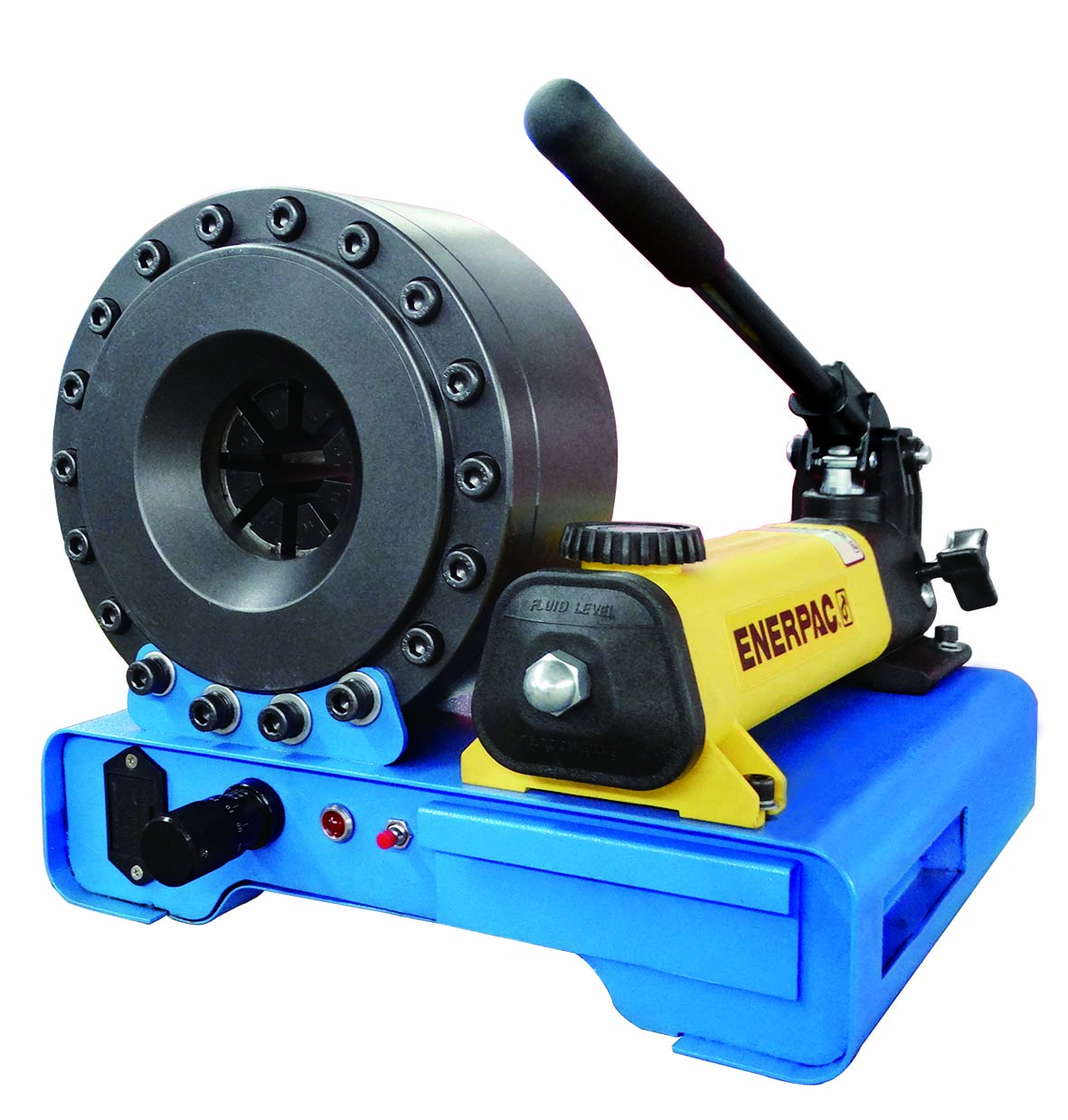
A: Improperly selected or crimped fittings are a leading cause of hose failure. Fittings must be compatible with the hose type, fluid, and pressure rating. Correct crimp size and angle are essential for creating a reliable seal that prevents leakage. Undercrimping allows for movement and potential leakage, while overcrimping can damage the hose reinforcement.
Q: Can hydraulic hose be used with biodegradable fluids?
A: The compatibility of hydraulic hose with biodegradable fluids is highly dependent on the fluid's composition. Many biodegradable fluids contain esters or vegetable oils that can cause swelling or degradation of certain rubber compounds. Specific hose materials certified for use with biodegradable fluids must be selected.
Q: What are the typical causes of hose twisting? And how to prevent it?
A: Hose twisting occurs due to improper routing or insufficient swivel allowance in the system. Twisting induces internal stress, reducing hose flexibility and potentially leading to kinking and failure. Prevention involves careful hose routing, the use of swivel fittings where appropriate, and ensuring adequate hose length to accommodate movement without twisting.
Conclusion
High pressure steel wire braided hydraulic hose remains an indispensable component in numerous industrial applications, providing a robust and reliable solution for fluid power transmission. Its performance is intrinsically linked to material science, meticulous manufacturing processes, and adherence to stringent engineering principles. Understanding the potential failure modes and implementing proactive maintenance strategies are critical for maximizing hose lifespan and ensuring system safety.
Continued advancements in rubber compound technology, steel wire manufacturing, and braiding techniques will drive further improvements in hose performance and durability. The increasing demand for more sustainable and environmentally friendly hydraulic fluids will also necessitate the development of hose materials compatible with these new fluids, shaping the future of this vital industrial component. Proper selection and rigorous quality control remain paramount to ensure reliable operation and minimize downtime.