
Apr . 01, 2024 17:55 Back to list
high pressure steel wire braided hydraulic hose factories Performance Analysis
Introduction
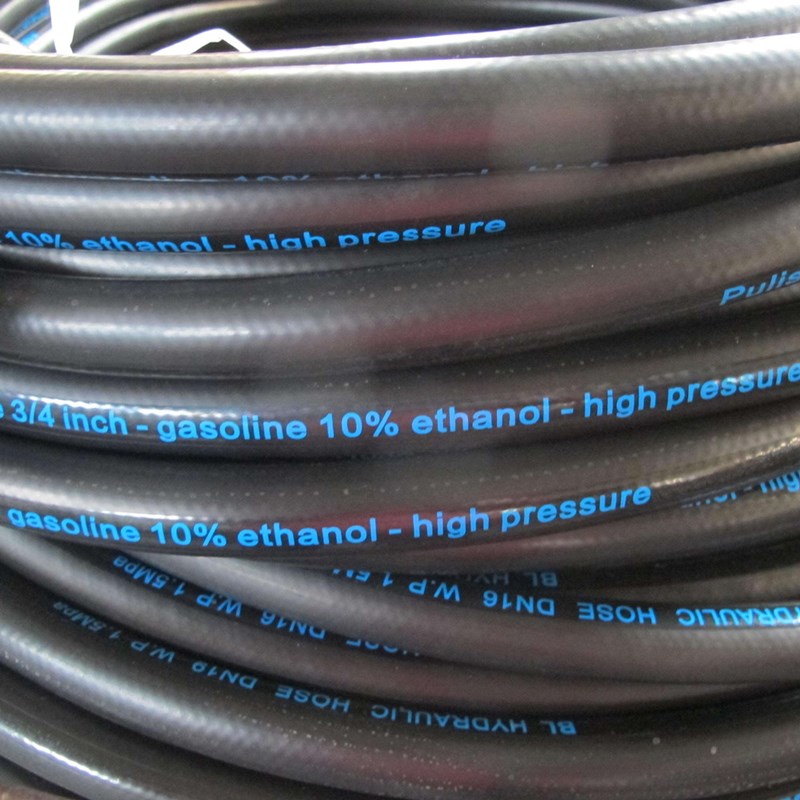
High pressure steel wire braided hydraulic hose represents a critical component in fluid power systems across numerous industries, including construction, agriculture, manufacturing, and automotive. These hoses are engineered to reliably transmit hydraulic fluid under extreme pressures and challenging environmental conditions. Their technical position within the industry chain lies between the hydraulic pump/valve and the actuator (cylinder, motor), effectively transferring power. Core performance characteristics center around burst pressure, working pressure, temperature resistance, and resistance to fluid compatibility issues. The escalating demands for higher operating pressures in modern hydraulic systems, coupled with increasing safety regulations, drive continuous innovation in materials science and manufacturing processes for these hoses. A primary industry pain point is maintaining consistent quality control to prevent catastrophic hose failure, which can lead to significant downtime, environmental hazards, and potential injury.
Material Science & Manufacturing
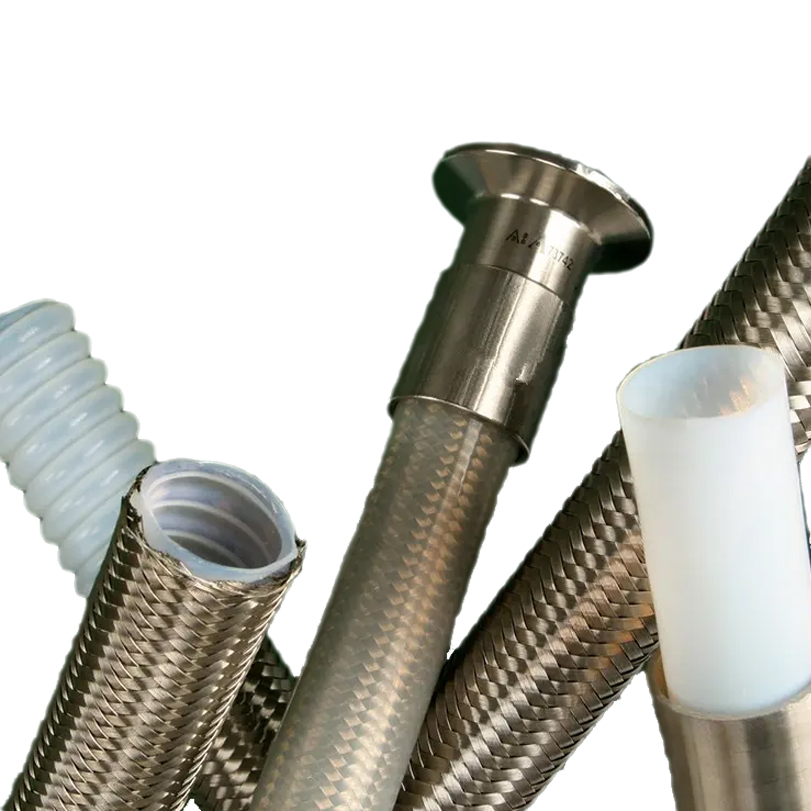
The construction of high pressure steel wire braided hydraulic hose relies on a multi-layered composite structure. The inner tube is typically constructed from a highly oil-resistant synthetic rubber compound, such as nitrile (NBR), ethylene propylene diene monomer (EPDM), or fluorocarbon (FKM), selected based on the conveyed fluid's chemical compatibility. NBR offers good general oil resistance at moderate temperatures. EPDM provides superior resistance to heat, ozone, and weathering, while FKM (Viton) is chosen for aggressive fluids and high-temperature applications. The reinforcement layer comprises one or more braids of high-tensile steel wire. The wire’s tensile strength and helical angle dictate the hose’s pressure capacity and flexibility. Steel wire is typically carbon steel, plated for corrosion resistance (zinc or nickel). The outer cover is usually a synthetic rubber compound (e.g., CR, SBR) formulated for abrasion, ozone, and weathering resistance.
Manufacturing involves several critical processes. Inner tube extrusion forms the base layer. Steel wire is then precisely wound in a helical pattern around the inner tube using specialized braiding machines. Maintaining consistent wire tension and braid coverage is paramount. Next, an adhesive bond is applied between the braid and the inner tube, ensuring structural integrity. Finally, the outer cover is extruded, and the hose is cured in an autoclave or oven under controlled temperature and pressure conditions to vulcanize the rubber compounds and achieve optimal mechanical properties. Key parameter control during manufacturing includes rubber compound viscosity, wire tension, braid angle, curing temperature, and cooling rate. Deviations can lead to weakness, leakage, or premature failure. Non-destructive testing, such as pressure testing and eddy current inspection, is employed for quality assurance.
Performance & Engineering
Performance is heavily influenced by force analysis under pressure. Hoop stress within the inner tube, axial stress in the steel wire reinforcement, and shear stress at the interface between layers are critical parameters. Finite element analysis (FEA) is commonly used to model stress distribution and optimize hose design for specific pressure ratings and operating conditions. Environmental resistance is also vital. Exposure to extreme temperatures, UV radiation, ozone, and corrosive chemicals can degrade the rubber compounds, reducing hose life. Hose selection must account for the application's operating temperature range and the compatibility of the hose materials with the hydraulic fluid and the surrounding environment. Compliance requirements are stringent, dictated by industry standards (detailed in the footer). These standards define test methods for burst pressure, impulse pressure, fatigue life, and fluid compatibility. Functional implementation considerations include bend radius limitations, hose assembly fitting techniques (crimping), and protection against abrasion and kinking.
Technical Specifications
| Parameter | Unit | Typical Value (1/2" ID Hose) | Test Standard |
|---|---|---|---|
| Working Pressure | MPa | 20 | SAE J517 |
| Burst Pressure | MPa | 80 | SAE J517 |
| Temperature Range | °C | -40 to +100 | SAE J517 |
| Inner Tube Material | - | NBR | ASTM D2000 |
| Reinforcement | - | 2 Wire Braid | SAE J517 |
| Outer Cover Material | - | CR | ASTM D2000 |
Failure Mode & Maintenance
Common failure modes include burst failure due to exceeding pressure limits, fatigue cracking from repeated pressure cycling, abrasion damage from external sources, and degradation of rubber compounds due to environmental exposure. Fatigue cracking typically initiates at stress concentration points, such as near fittings or at areas of localized damage. Delamination between the rubber layers and the steel wire reinforcement can occur if the adhesive bond fails. Oxidation of the steel wire can lead to corrosion and reduced tensile strength. To prevent failures, regular visual inspections are crucial, looking for signs of abrasion, cracking, bulging, or leakage. Hose assemblies should be protected from sharp bends, excessive heat, and contact with corrosive chemicals. Proper fitting crimping is essential for a secure connection and to prevent leakage. Maintenance includes periodic replacement of hoses based on their service life and operating conditions, even if no visible damage is apparent. Prompt replacement of damaged hoses is critical to prevent catastrophic failure and ensure system safety. Record keeping of hose replacement intervals can help optimize maintenance schedules.
Industry FAQ
Q: What is the impact of fluid velocity on hose life?
A: Higher fluid velocities can exacerbate erosion of the inner tube, particularly with abrasive fluids. They also contribute to increased heat generation, which can accelerate rubber degradation. It's crucial to select a hose with a sufficient flow capacity and minimize fluid velocity to extend service life.
Q: How does hose bend radius affect performance?
A: Exceeding the minimum bend radius can induce stress on the reinforcement and inner tube, leading to premature failure. Conversely, sharp bends can create localized stress concentrations. Maintaining the recommended bend radius is critical for optimal performance and longevity.
Q: What are the key differences between single and double wire braid hoses?
A: Double wire braid hoses provide significantly higher pressure capacity and improved flexibility compared to single wire braid hoses. The additional braid layer increases the hose’s resistance to burst and impulse pressure, making them suitable for demanding applications.
Q: What considerations are important when selecting a hose for use with synthetic hydraulic fluids?
A: Synthetic fluids often require specialized inner tube materials, such as FKM or PTFE, to ensure compatibility and prevent swelling or degradation of the rubber. Consult fluid compatibility charts and manufacturer's recommendations.
Q: How can I ensure proper crimping of hose fittings?
A: Proper crimping requires using the correct die set, crimping machine settings, and inspection criteria. Over-crimping can damage the hose reinforcement, while under-crimping can lead to leakage. Follow fitting manufacturer’s guidelines and use calibrated crimping equipment.
Conclusion
High pressure steel wire braided hydraulic hoses are essential components demanding careful consideration of material science, manufacturing processes, and application-specific requirements. Ensuring optimal performance and reliability hinges on selecting the appropriate hose construction for the fluid type, operating pressure, temperature range, and environmental conditions. A thorough understanding of potential failure modes and adherence to recommended maintenance practices are vital for maximizing service life and minimizing the risk of catastrophic failures, thereby upholding system safety and reducing operational downtime.
Continued innovation in hose materials and manufacturing techniques, driven by the demands of increasingly sophisticated hydraulic systems, will focus on enhancing pressure capacity, improving flexibility, and extending service life. Future developments will likely incorporate smart hose technologies with embedded sensors for real-time monitoring of pressure, temperature, and structural integrity, enabling predictive maintenance and optimizing system performance. The proactive implementation of these advancements is crucial for manufacturers seeking a competitive edge in the evolving hydraulic hose landscape.