
Apr . 01, 2024 17:55 Back to list
high pressure rubber hydraulic hose Performance Analysis
Introduction
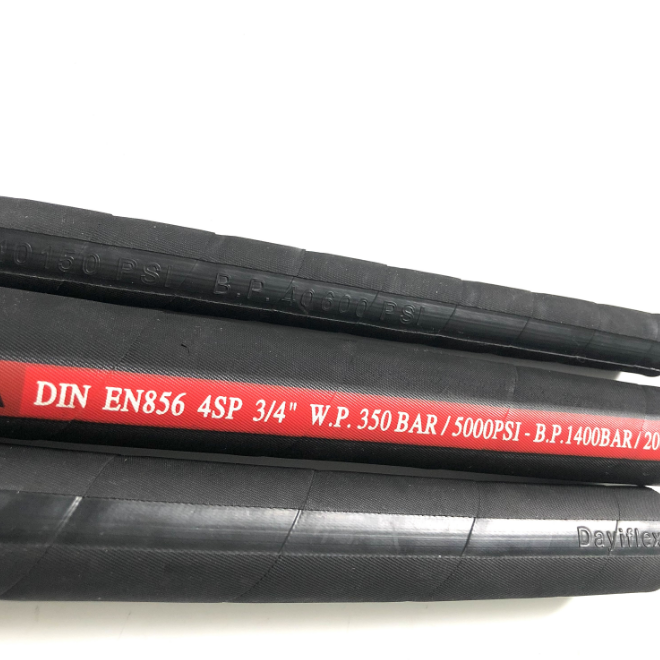
High-pressure rubber hydraulic hose is a critical component in fluid power systems, designed to transmit hydraulic fluid to actuate machinery and equipment. Positioned between the hydraulic pump and the control valves or actuators, it provides the flexible pathway necessary for operation in dynamic environments. These hoses are engineered to withstand extreme pressures, temperatures, and fluid compatibility requirements, making them essential across diverse industries including construction, agriculture, manufacturing, and aerospace. Core performance characteristics include burst pressure, working pressure, temperature range, and resistance to fluid degradation. Selection is determined by the specific application demands, focusing on safety and system efficiency. A key industry pain point lies in ensuring long-term reliability and preventing catastrophic failure, necessitating rigorous material selection, manufacturing controls, and adherence to industry standards. The continuous drive for higher operating pressures and extended service life fuels ongoing development in hose materials and construction techniques.
Material Science & Manufacturing
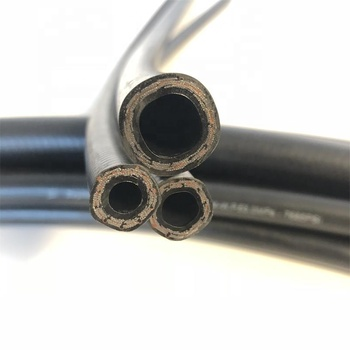
The construction of high-pressure rubber hydraulic hose typically involves four key layers: the inner tube, reinforcement layers, outer cover, and sometimes an intermediate layer. The inner tube, in direct contact with the hydraulic fluid, is commonly composed of synthetic rubbers like nitrile (NBR), ethylene propylene diene monomer (EPDM), or fluorocarbon (FKM/Viton) selected for their fluid resistance, temperature stability, and compatibility with specific hydraulic fluids. NBR offers good abrasion and oil resistance, EPDM excels in heat and weathering resistance, while FKM provides superior resistance to aggressive chemicals and high temperatures. Reinforcement layers provide the necessary strength to withstand high pressures. These are typically braided or spiraled with high-tensile steel wire, or aramid fiber. Steel wire offers the highest pressure capacity, while aramid fiber provides a lighter weight and increased flexibility. The outer cover, protecting the reinforcement from abrasion, weathering, and chemical attack, is usually constructed from synthetic rubbers like chloroprene (CR) or polyurethane (PU). CR is cost-effective and provides good all-around protection, while PU offers superior abrasion and oil resistance. Manufacturing processes involve extrusion of the inner tube and outer cover, followed by precise winding or braiding of the reinforcement layers. Vulcanization, a crucial step, cross-links the rubber polymers, imparting the desired elasticity, strength, and durability. Parameter control during vulcanization (temperature, time, pressure) is critical to achieving optimal hose properties. Quality control includes burst pressure testing, impulse testing, and dimensional verification.
Performance & Engineering
The performance of a high-pressure hydraulic hose is dictated by several engineering considerations. Force analysis focuses on hoop stress within the hose wall under internal pressure. Higher pressures necessitate increased reinforcement layers and/or higher tensile strength reinforcement materials. The hose must withstand not only static pressure but also dynamic pressure pulsations generated by the hydraulic pump. Impulse testing simulates these pulsations and assesses the hose’s resistance to fatigue failure. Environmental resistance is crucial, encompassing temperature extremes, exposure to ozone, UV radiation, and corrosive substances. Temperature ranges dictate the appropriate rubber compound selection for both the inner tube and outer cover. Chemical compatibility is paramount; the hose material must resist degradation when exposed to the specific hydraulic fluid in use. Compliance requirements, dictated by regulatory bodies and industry standards (detailed in the footer), define minimum performance criteria for burst pressure, working pressure, and leak tightness. Failure analysis often reveals issues related to improper installation (excessive bending, twisting), exceeding pressure limits, or fluid incompatibility. Flexibility is also a key engineering parameter, influencing ease of installation and minimizing stress concentrations. Hose bend radius is carefully controlled to prevent kinking and damage to the reinforcement layers.
Technical Specifications
| Parameter | Metric Unit | Typical Value (Steel Wire Braided) | Typical Value (Aramid Fiber Braided) |
|---|---|---|---|
| Working Pressure | MPa | 31.5 | 21.0 |
| Burst Pressure | MPa | 105 | 63 |
| Temperature Range | °C | -40 to +100 | -40 to +70 |
| Inner Tube Material | - | NBR | EPDM |
| Reinforcement | - | Steel Wire (2 or 4 spiral) | Aramid Fiber (Spiral) |
| Outer Cover Material | - | CR | PU |
Failure Mode & Maintenance
Failure modes in high-pressure rubber hydraulic hoses are diverse and often interconnected. Fatigue cracking, arising from repeated pressure pulsations and flexing, is a common failure mechanism, particularly in steel wire braided hoses. Delamination, the separation of reinforcement layers from the rubber matrix, can occur due to improper bonding during manufacturing or exposure to harsh chemicals. Degradation of the rubber compounds, caused by heat, ozone, UV radiation, or fluid incompatibility, leads to loss of elasticity and increased susceptibility to cracking. Oxidation can embrittle the rubber, reducing its strength. Pinholes can develop in the inner tube due to abrasion from fluid contaminants or manufacturing defects. External damage, such as abrasion, cuts, or impacts, can compromise the hose's integrity. Regular inspection is crucial for preventative maintenance. This includes visual checks for cracks, abrasions, bulges, and leaks. Hose should be replaced if any signs of damage are detected. Proper installation practices are essential; avoid excessive bending, twisting, and kinking. Maintain a clean hydraulic system to minimize abrasive wear. Fluid compatibility should be verified. Periodically check hose connections for tightness. Record keeping of hose installation dates and operating conditions can aid in predicting lifespan and identifying potential issues.
Industry FAQ
Q: What is the impact of fluid type on hose selection?
A: Fluid type is a critical consideration. Different hydraulic fluids exhibit varying levels of chemical compatibility with different rubber compounds. Using an incompatible fluid can cause the inner tube to swell, soften, or degrade, leading to premature failure. For example, phosphate ester fluids require specialized hose constructions with fluorocarbon (FKM) inner tubes.
Q: How does temperature affect hose performance?
A: Temperature significantly impacts hose performance. High temperatures can accelerate rubber degradation and reduce the hose's strength. Low temperatures can make the rubber brittle and prone to cracking. Hose materials must be selected to withstand the expected operating temperature range.
Q: What is the difference between braided and spiraled reinforcement?
A: Braided reinforcement typically offers higher burst pressure and resistance to bending. Spiraled reinforcement provides greater flexibility and is often used in applications where tight bends are required. Steel wire reinforcement is generally stronger than aramid fiber reinforcement.
Q: How important is proper hose routing?
A: Proper hose routing is essential to prevent damage and ensure long service life. Avoid sharp bends, kinking, and contact with hot surfaces or abrasive materials. Provide sufficient clearance to prevent the hose from rubbing against other components.
Q: What are the common causes of hose leaks?
A: Common causes of hose leaks include damaged seals, cracked or deteriorated rubber, loose connections, and exceeding the hose's pressure rating. Regular inspection and preventative maintenance are crucial for identifying and addressing potential leak sources.
Conclusion
High-pressure rubber hydraulic hose represents a sophisticated engineering solution for fluid power transmission. Its performance is intrinsically linked to material science, manufacturing precision, and careful consideration of operational parameters. Selecting the correct hose for a specific application requires a thorough understanding of fluid compatibility, temperature range, pressure requirements, and environmental conditions. By adhering to industry standards, implementing robust preventative maintenance programs, and prioritizing proper installation techniques, users can maximize hose lifespan and ensure the safe and reliable operation of hydraulic systems.
Continued innovation in rubber compounding, reinforcement materials, and hose construction techniques will drive advancements in high-pressure hydraulic hose technology. Focus areas include developing hoses with improved resistance to extreme temperatures, aggressive chemicals, and abrasive wear, as well as reducing hose weight and increasing flexibility. The integration of smart sensors into hose construction to provide real-time performance monitoring and predictive maintenance capabilities represents a promising future direction.